
Service Areas
Commercial Roofing in La Homa, TX
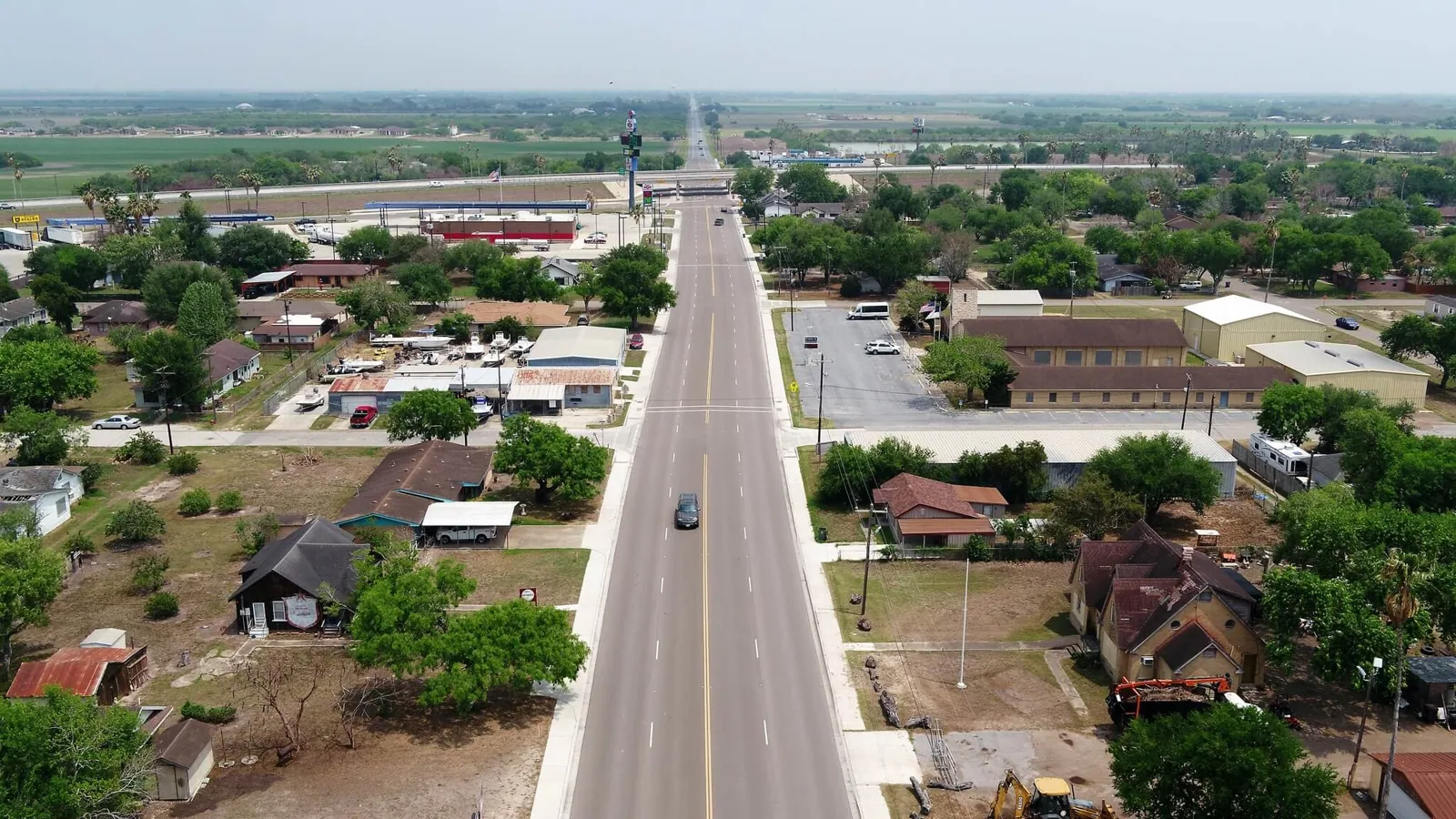
For a school-adjacent or neighborhood commercial roof, the first line of the inspection record is usually a drainage note: which outlets are clear, which are partly blocked and where water stood after the last rain. La Homa, TX is a census-designated place of about 6.9 square miles with 11,267 residents in 2020, and its roofs sit in a part of Hidalgo County where heavy rain tests roofs.
La Joya ISD campuses serve La Homa, and the community lies close enough to Mission and McAllen that its roofing needs follow the same pattern as theirs. We work on the commercial buildings that serve such a community, such as strip retail, service buildings, offices and institutional space, and we record each roof in the same fixed order so that results can be compared from one year to the next.
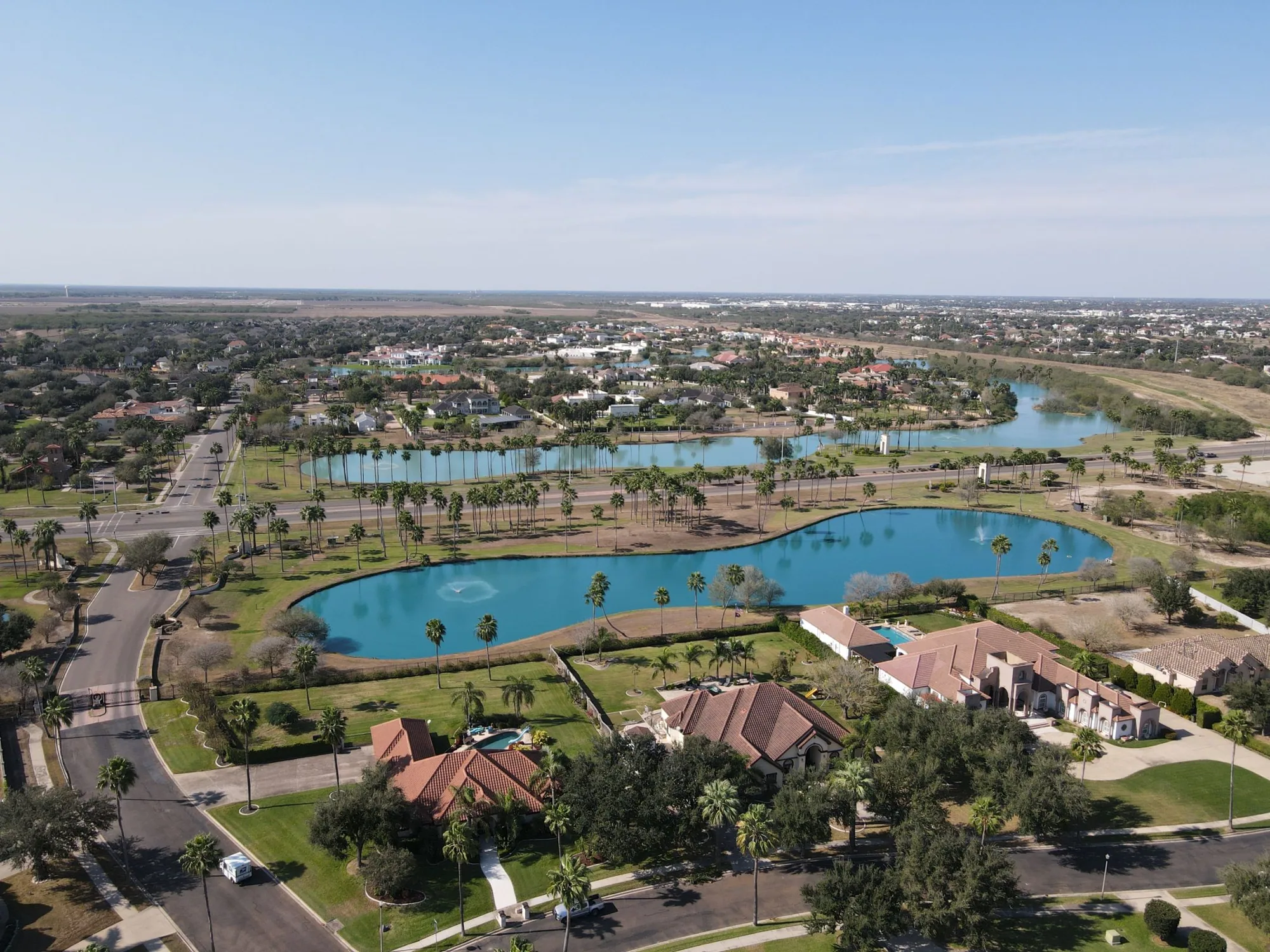
Rainfall and the Drainage Record
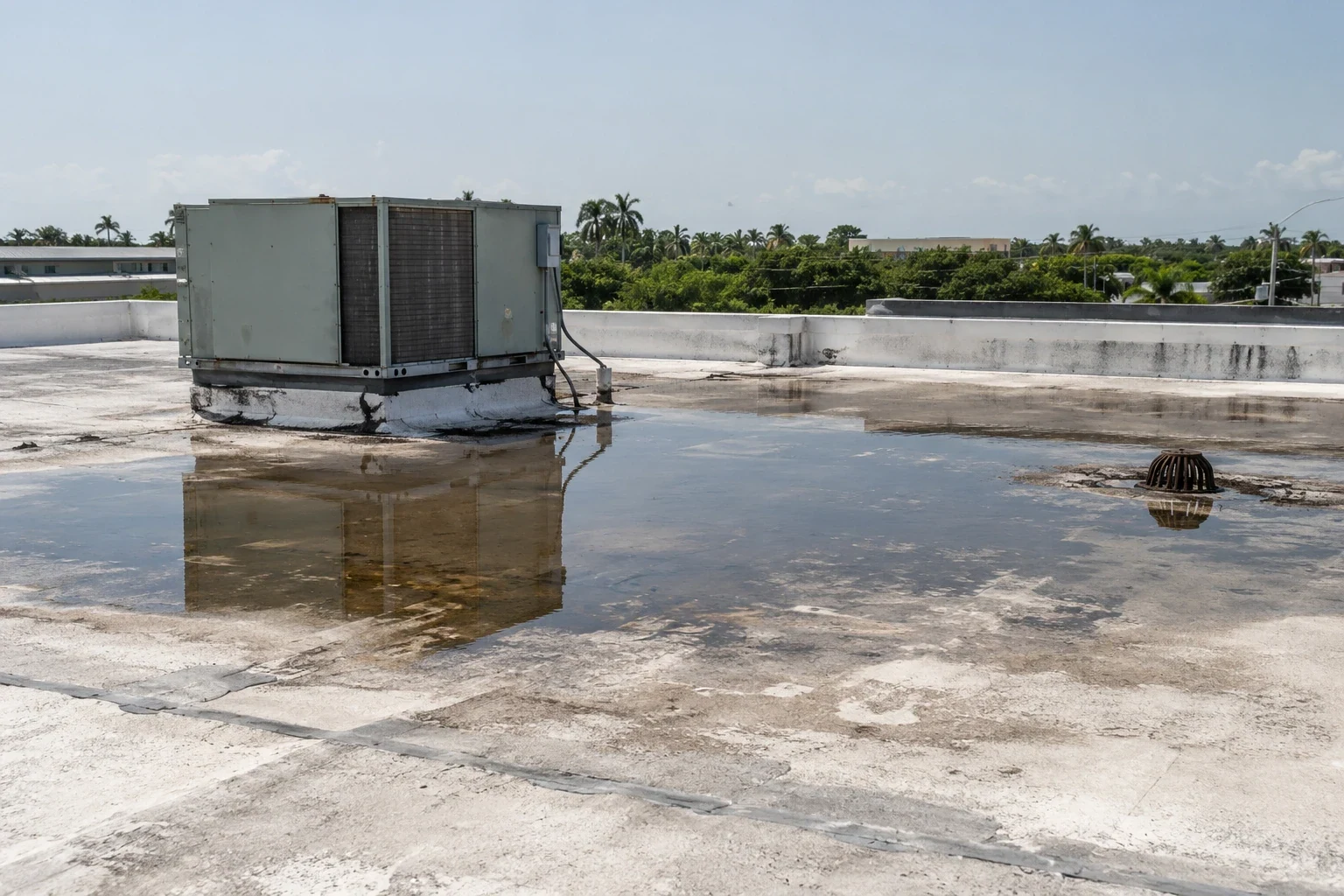
Hanna in July 2020 left roughly a foot or more of rain over the Mission and McAllen areas. A roof that sheds water slowly is stressed by an event like that, and one with a clogged scupper or a blocked drain can fill like a tray. The tropical season spans June to October and flood readiness never lapses, so drainage checks belong in every month.
Our drainage record gives each drain and scupper its own line: location, type, basket condition, outlet condition and any ponding nearby. We photograph the outlet and the surrounding membrane. When water stands for more than two days after rain, the depth is measured and the spot is marked on the sketch, which leads straight into a ponding water assessment. The record separates a roof that needs cleaning from one that needs a drainage correction, and it lets the owner see which applies before spending money. A cleaning costs little. A correction, such as adding a scupper or tapering insulation toward an outlet, costs more and needs a design, so the log supports that choice with measurements rather than a general impression.
Roofs Near Schools and Institutions
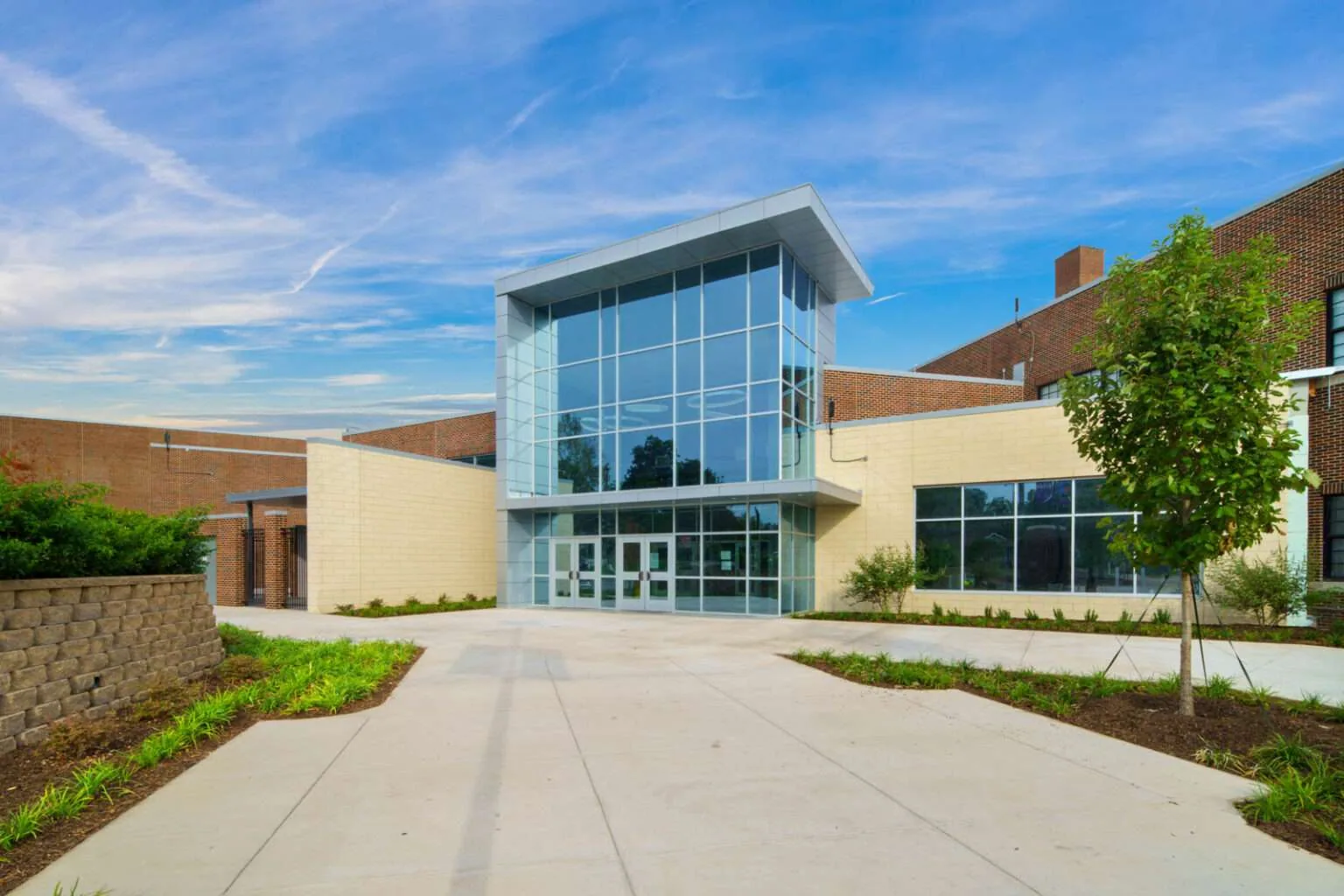
Schools and the businesses around them keep a calendar. Classes, events and summer breaks decide when noisy work is acceptable and when it is not. For roofs that belong to a school district, or to a neighbor whose tenants depend on school traffic, we plan major work for the break and keep emergency access open all year.
The first visit documents the roof and the access. We note hatch or ladder locations, rooftop units, penetrations and the routes crews would take. We avoid assuming what a building holds. Instead, the scope asks the owner or manager about the roof's use, the sensitive spaces under it and the hours that matter. A school roof follows the same inspection order as any other low-slope roof, with extra attention to timing and safety.
Rooftop Units and Penetrations
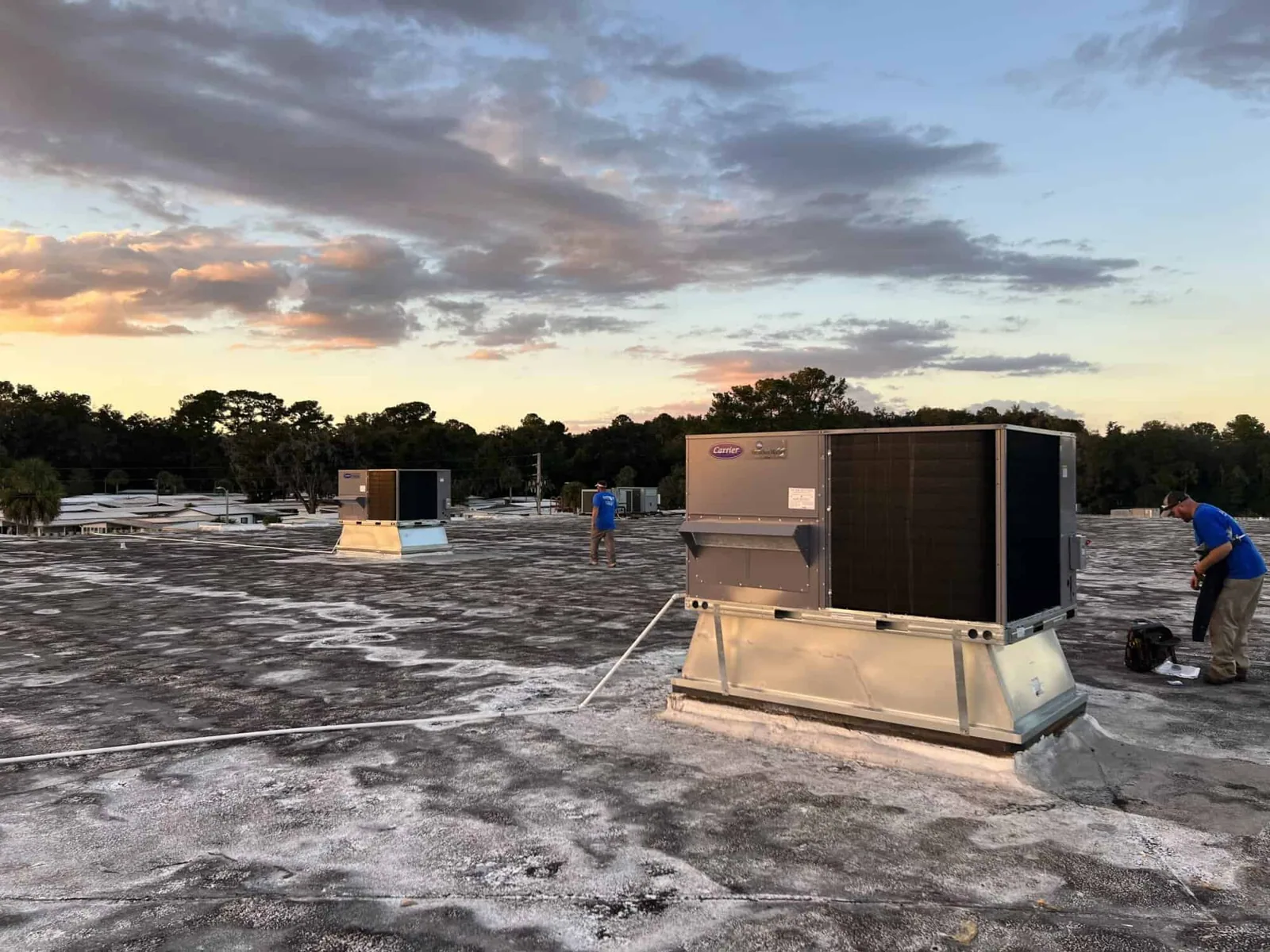
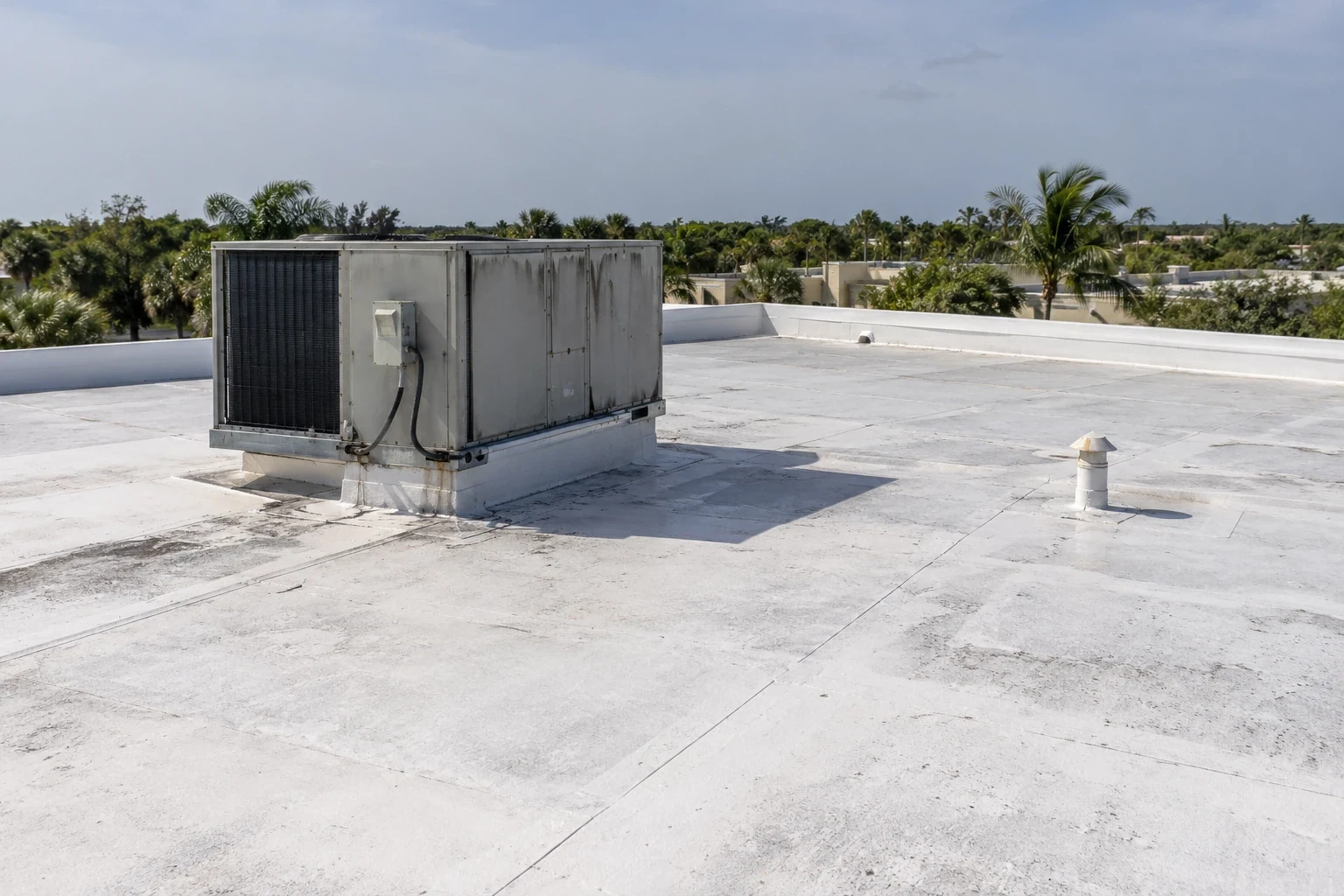
Commercial roofs in the Valley carry cooling equipment, and every unit adds a curb, a flashing and a set of lines that pass through the membrane. The May-to-October heat season keeps those details under constant load, and a leak that starts there is a candidate for leak repair before it reaches the ceiling. We photograph each curb, check the sealant, note the condition of the flashing and look for signs that water has tracked along the line.
Where units have been added or moved over the years, the record shows where old penetrations were abandoned and whether they were sealed correctly. Open or poorly sealed penetrations are common sources of leaks, and they are among the easiest to repair when found early. Related work on rooftop equipment curbs and supports is scoped from the same photographs.
Storm Baselines for a Growing Community
A baseline taken before the tropical season is the most useful document an owner can have after a storm. We inspect edges, seams, flashings and drains before June, tag the photographs to roof sections and keep moisture readings on the sketch. Once a named storm has passed, the inspection runs again and the two records are set side by side.
The Valley has recent reference events. Dolly's 2008 gusts of 50 to 70 mph covered populated Hidalgo County, and the roofs bore most of Hanna's damage to poorly built structures in 2020. Neither event is a forecast, but both show that moderate storms can find weak details. A baseline lets the owner say what was weak before and what changed. Nearby Mission and Palmview roofs use the same format.
Reading Interior Signs Against the Roof
An inspection can begin with a ceiling tile, not the roof. A stain, a sagging tile or a damp corner inside is the owner's first evidence, and it rarely sits under the opening that caused it. Water follows the deck, the insulation seams and the top of a wall before it drops, so the interior mark may be many feet from the entry point.
We ask for the interior location and the date the stain was first noticed, then map it onto the roof sketch and work outward from there. Probes and moisture readings test the area above and around the stain, and the drain log is checked in case a blocked outlet is feeding the leak. A fresh stain after a storm is treated differently from an old ring that has not changed, and the report says which it is.
Where tenants occupy the space, we coordinate entry to the ceiling and note any interior finishes that need protection during roof work. The record gives the manager what is needed to talk to a tenant, an insurer or a contractor about the same leak.
Options and Cost Drivers
Four things drive the cost of work on a roof in La Homa: the size and system of the roof, the condition of the insulation, the access and the schedule. A roof with dry insulation and sound membrane may need only a repair or a coating restoration. A roof with widespread wet insulation needs larger work. The moisture map decides.
Schedule matters because school and tenant calendars narrow the working windows, and because tropical-season storms can interrupt work. We state the working window in the recommendation, and we price work that must be done in a short window separately from work that can be spread out. The written summary prices each path side by side.
Questions and Answers
How does heavy rain change a roof inspection?
It makes drainage the first question. We check every drain and scupper, measure standing water and look for water tracking along penetrations. The record shows whether the roof needs cleaning, a drainage correction or a larger repair.
Can roof work be scheduled around a school calendar?
Yes. Major work is planned for breaks, and we keep emergency access available year round. The recommendation states the working window and prices short-window work separately.
What is a pre-storm baseline?
A dated inspection done before the tropical season, with tagged photographs, a sketch and moisture readings. After a storm, a second inspection is compared with it so the owner can see exactly what changed.
How often should rooftop units be checked?
At least once a year, in spring before the heat season builds, and after any named storm. Curbs, flashings and lines are photographed in the same positions each time.
What do I get after the first visit?
A written condition summary with tagged photographs, a rooftop sketch, drain log and moisture readings, plus a recommendation that states which findings need action and which are monitored.
Request a Documented Inspection
Ask for a visit to your La Homa, TX roof and receive a written condition summary with tagged photographs, a rooftop sketch and a drain log. The summary states which findings call for repair, coating or replacement, and it can be reused for budgeting or an insurance conversation. Start from the contact form.