
Service Areas
Commercial Roofing in Lopezville, TX
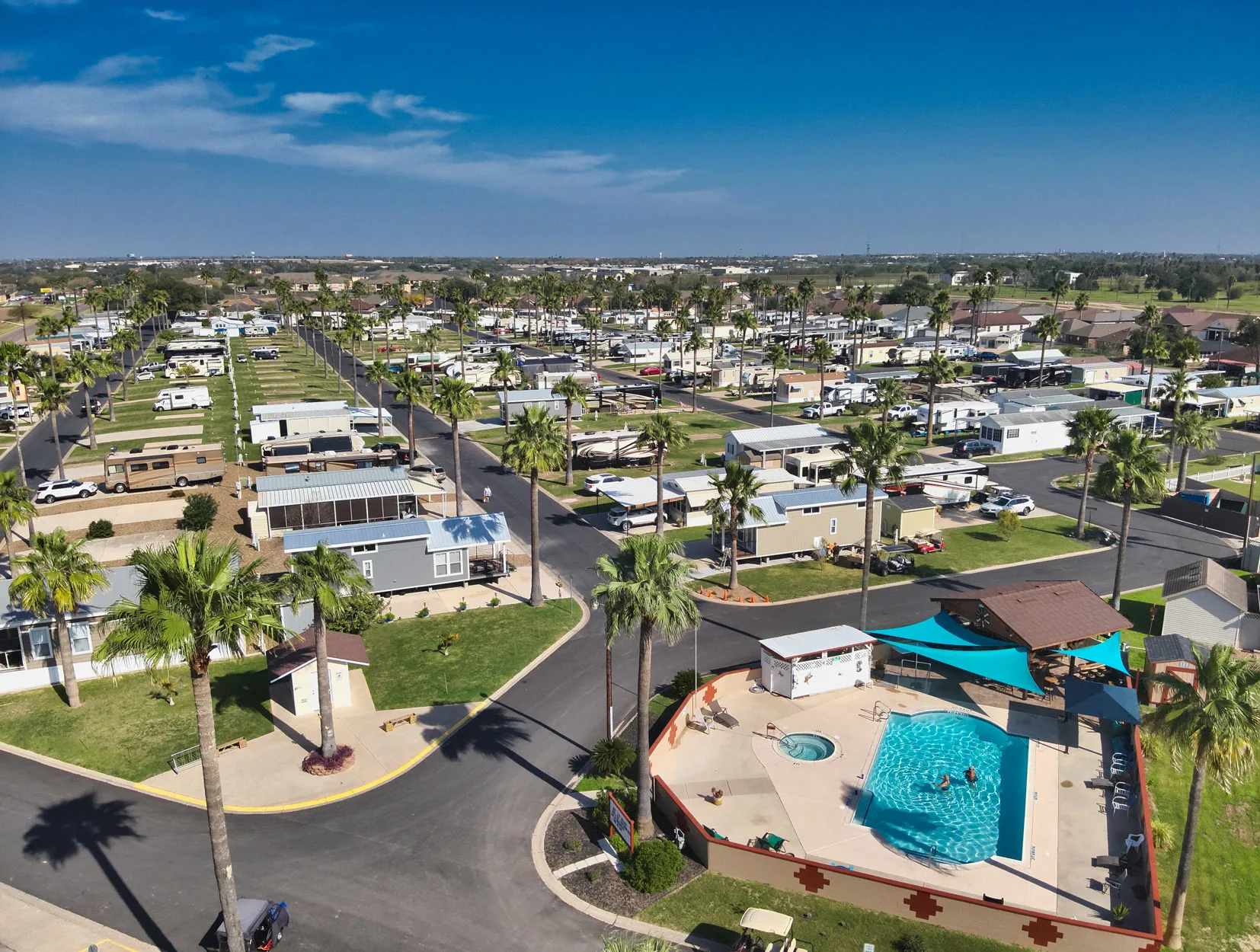
One of the most useful roof inspections can happen on the day a space changes hands. Lopezville, TX is a census-designated place in the McAllen-Edinburg-Mission metro, northeast of Mission and near Edinburg, with 2,367 residents in 2020. Its 2010 population was 4,333, a swing that shows how boundaries around the north McAllen-Edinburg corridor have shifted, and it is a reminder that the people who use a building are not always the people who answer for its roof.
That gap is where roof problems hide. A new tenant installs a unit, a seller moves out, a manager inherits a building. The roof keeps the same openings and the same wear, but nobody has the history. Our work in Lopezville starts from that point: a documented roof walk that creates the history and sets the baseline for the next change of use.
Roof Walks at Changes of Use
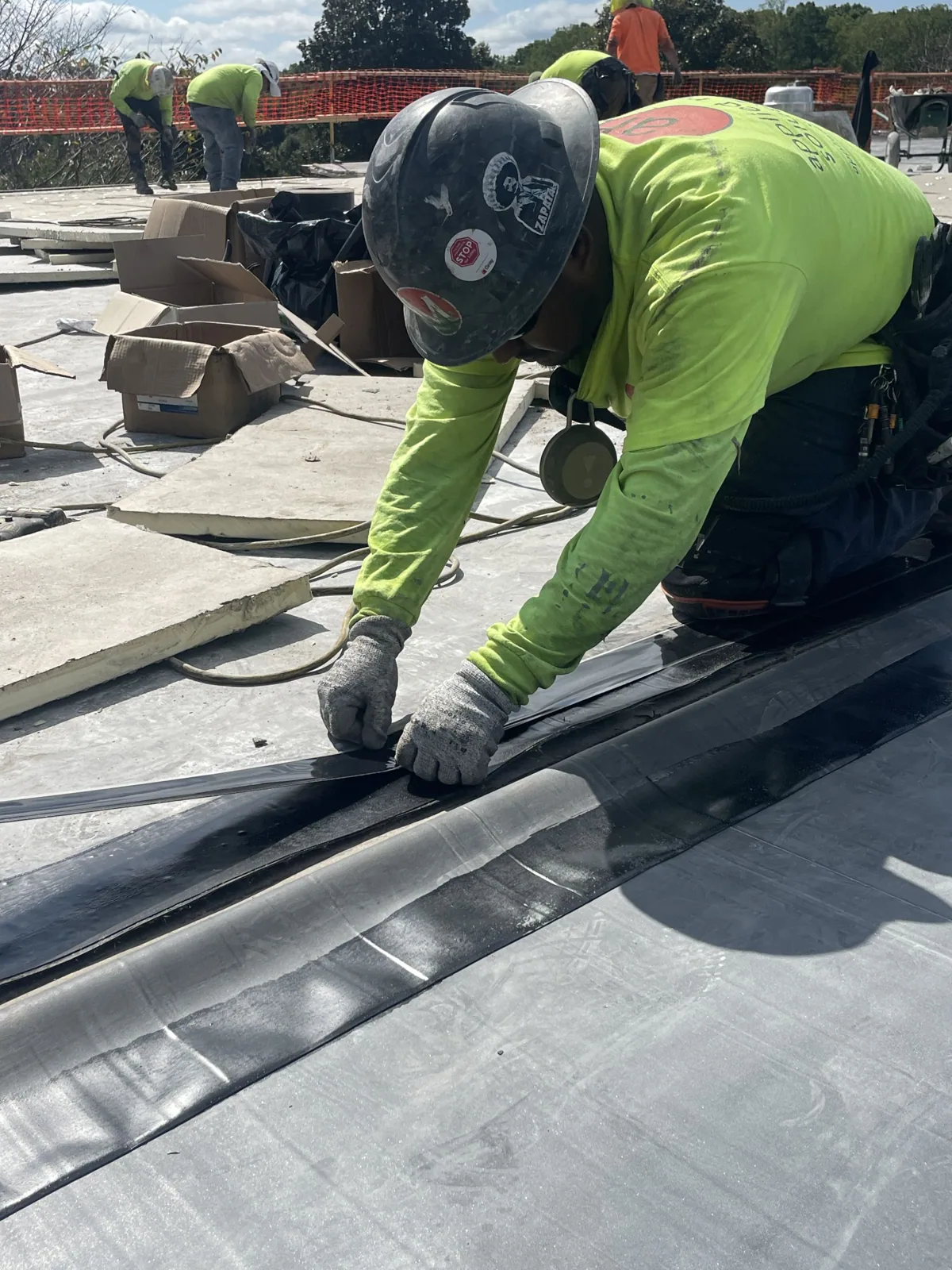
A change of tenant is the moment to look at the roof, because access is easy and responsibilities are clear. We walk the roof in the fixed order, photograph the perimeter, penetrations, field, seams and drains, take moisture readings and list open items with proposed actions. The result is a handover record dated to the day of the change.
If a later leak appears, the record shows whether the condition was present at the start. That saves disputes between landlord and tenant, and it gives each party the same facts. The record also lists who is responsible for what, as far as the lease or ownership structure makes clear, so repair requests go to the right place.
New Equipment and New Openings
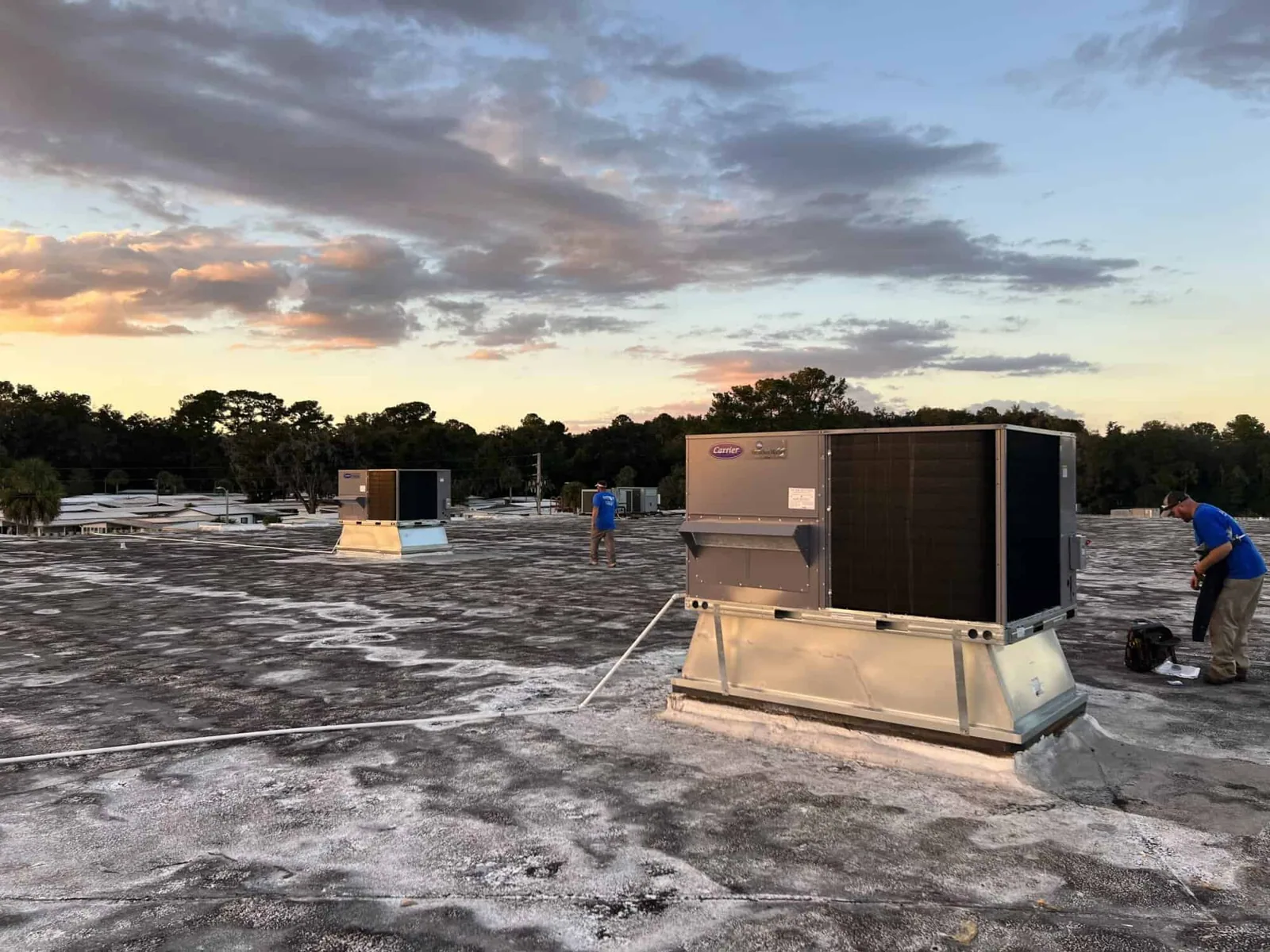
Equipment gets added and moved on a different schedule from the roof under it. A new unit needs a curb or a stand, electrical conduit, a condensate line and sometimes a new penetration. Each is a detail that has to be flashed and sealed, and each ages with the roof around it. When a unit is removed, the old curb or opening is a leak waiting to happen unless it is capped properly.
We photograph the existing penetrations before any work begins, mark them on the sketch, then photograph the new work. After installation, we probe the flashings and check the sealant. Where equipment is moved often, we recommend walkway protection and a service route. The record of rooftop equipment curbs and supports lives with the roof file and is updated with each addition.
Tracing a Leak Back Through a Change of Hands
A leak reported after a change of tenants raises one question first: was it already there? The answer comes from the record. We compare the handover photographs with the current condition of the nearest flashings, seams and drains, and we check the area above the stain with a moisture meter. If the earlier record shows a sound flashing and the current one is open, something happened between the two dates, and the log narrows the possibilities: new equipment, foot traffic or weather.
When no earlier record exists, we work from the physical evidence. Aged sealant and old staining point to a long-standing problem. Fresh disturbance near a unit points to recent work. The report says which it is, and it names the evidence. Neither side of a dispute is asked to accept an opinion; both are shown photographs and readings.
For the owner, the practical value is speed. A leak that can be traced in one visit is repaired sooner, with less damage inside and less argument about cost. The same file helps with the leak repair itself, since it shows where to start.
Heat Season Wear Between Handovers
The Valley's heat-safety season runs May through October. Whether a building is occupied or not, the roof carries months of sustained solar and heat load. Surface wear, sealant hardening and seam stress continue regardless of use, and a roof between tenants is no exception.
An annual spring walk catches the changes. We photograph the same positions each year and compare. A sealant that has cracked since last year, a seam edge that has begun to lift or a patch that has failed shows up in the comparison. The recommendation sorts findings into repair now, repair this year and watch, with a date for the next look.
Named Storms and the Handover Baseline
Tropical weather arrives June through October, and flooding is a risk in any month. Hanna in July 2020 dropped 12 to 14 inches on Mission and McAllen, and any roof in the metro, including one northeast of Mission, can meet a storm like that. A baseline from a handover walk becomes the pre-storm record, and the comparison after the event shows what changed.
That comparison matters for claims. An insurer reads dated photographs more readily than a description, and a clear before-and-after pair makes a repair scope easier to approve. Where no earlier record exists, we begin one, and the first post-storm inspection becomes the reference for the next. The same approach applies in Edinburg and Mission.
Sales, Refinancing and the Roof File
A buyer or lender wants to know what the roof will cost over the next few years. A due diligence roof survey answers that with a condition table, moisture findings and cost ranges for repair or replacement. For a seller, the same survey before listing removes a negotiating point.
The file becomes more valuable as it grows. Each inspection adds to it, and a roof with five years of dated photographs is easier to describe than one with none. Owners who plan to hold a building and owners who plan to sell both benefit from the record, though for different reasons.
Repair, Coating or Replacement
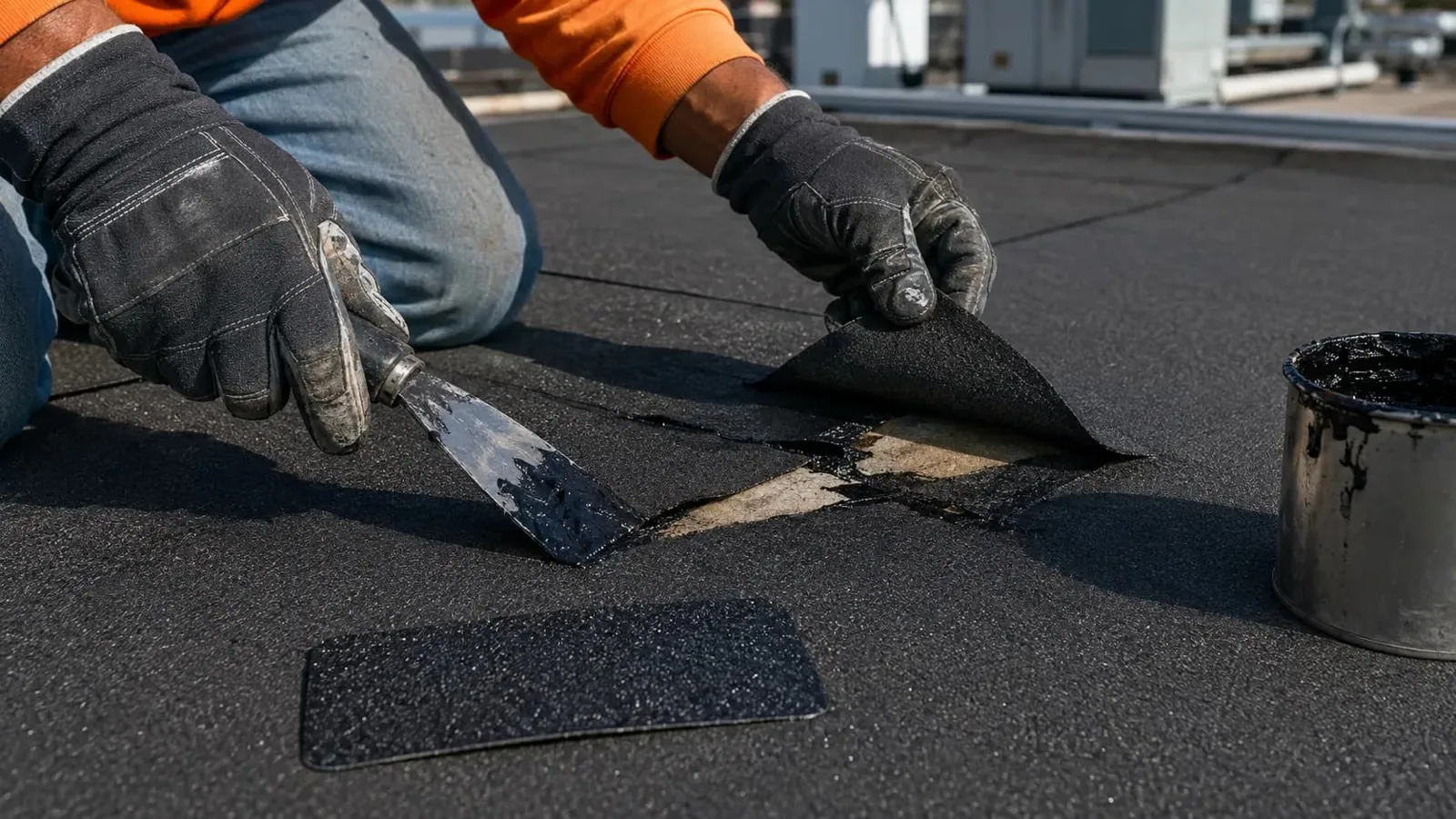
Findings decide the scope. Defects confined to a few details with dry insulation call for repair. A worn but sound membrane over dry insulation may be coated. Widespread wet insulation calls for replacement, partial or full. The recommendation compares the cost of each path and states what would change the choice. A membrane puncture near new equipment, for example, is a repair item, while widespread punctures along a service route may point to walkway protection or a recover.
Questions and Answers
Why inspect a roof when a tenant moves in or out?
Access is easy and responsibilities are clear. A dated record of the roof at handover settles later questions about whether a leak or a defect was already there.
What should be checked when rooftop equipment is added?
The new curb or stand, flashing, conduit and condensate routing, plus the existing roof around it. We photograph before and after and probe the flashing once the work is done.
Who is responsible for roof repairs in a leased building?
It depends on the lease and ownership structure. The record lists what is known about responsibility and documents the condition, which helps the parties agree on who acts.
How can a roof file help in a sale?
It shows the roof's condition, repair history and any warranty in dated photographs. A buyer can price the roof with fewer unknowns, and the seller has evidence of care.
What if the building is empty for a while?
The roof still ages. We recommend an annual walk and a check after any named storm, so that conditions are recorded while the space is not in use.
Can the roof record help when a tenant disputes a repair charge?
Yes. Dated photographs and readings from the handover show what condition the roof was in at the start. When the cause of a defect is clear from the record, the repair charge can be assigned with fewer disagreements.
Request a Documented Inspection
Ask for a visit to your Lopezville, TX roof and receive a written condition summary with tagged photographs, a rooftop sketch and moisture readings. The summary states which findings call for repair, coating or replacement, and it can be reused for budgeting or an insurance conversation. Start from the contact form.