Service Areas
Commercial Roofing in Palmview South, TX
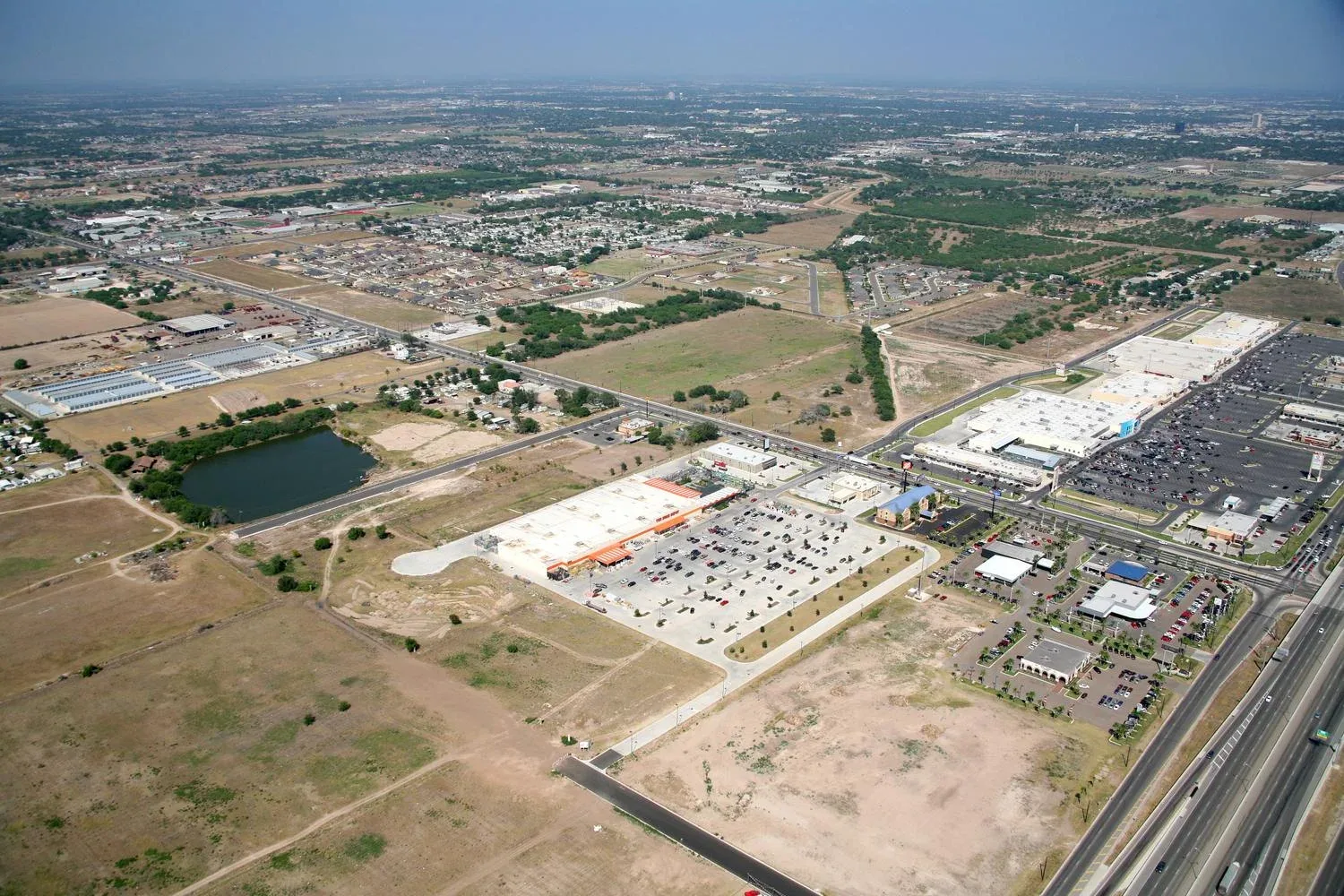
A limited roof budget calls first for a ranked list. Palmview South, TX is a census-designated place of 3.1 square miles with 2,008 residents in 2020, down from 5,575 in 2010. Whatever lies behind a change of that size in a decade, the roofs that remain still age at the same rate, and a repair plan has to fit the money actually available.
Our approach for such owners is a documented inspection that ranks findings by consequence and cost, then stages the work so that the most important items are done first. La Joya ISD campuses serve the area, and the commercial and institutional buildings around them need the same ordered attention: first stop the water, then fix the cause, then plan the rest.
Ranking Findings by Consequence
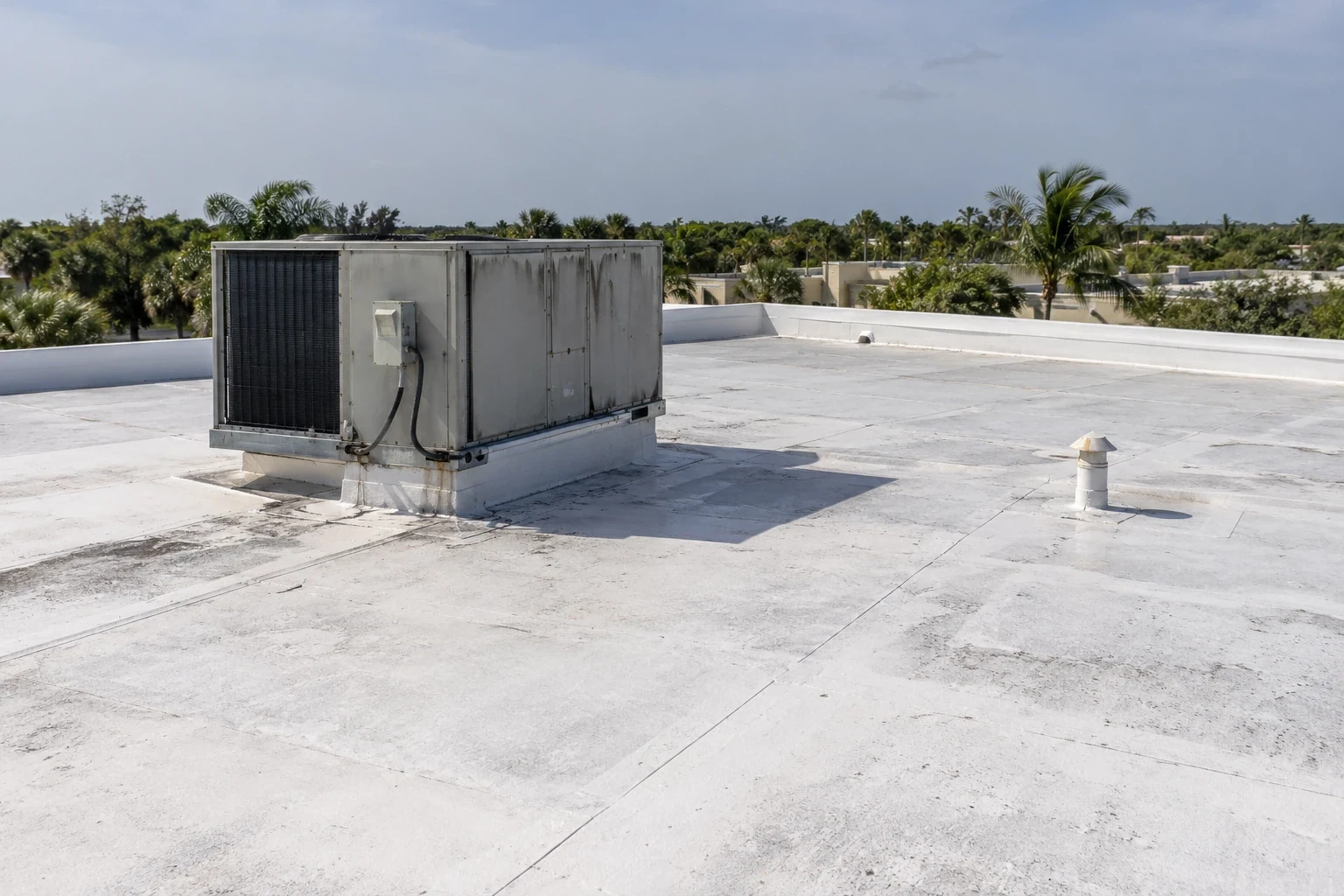
The inspection logs every finding with a photograph and a location. The ranking then asks two questions of each. What happens if this is left for a year? What does it cost to fix now? An open seam over a storage room ranks above a cosmetic crack over a parking canopy. A clogged drain ranks above chalking on a surface that is still sealed.
The result is a list in three tiers. Tier one is work that stops active leaks and protects interior contents. Tier two is work that prevents the next failure, such as resealing penetrations or clearing drains before the tropical season. Tier three is work that can wait with monitoring. Each item has a price, so the owner can see what a given budget buys.
Staging the Work
Staging splits a larger scope into steps that each leave the roof in better shape. The first step might close every opening and dry the roof. The second might repair seams and flashings over the following months. The third might coat or recover the roof when funds are ready. Each step is written down with the condition it leaves behind, so the owner is never left with a half-finished roof.
Staged work needs more discipline than a single project. The record has to show what was done in each step and what remains, and the moisture map has to be repeated to confirm that the earlier steps held. We keep the file open and update it after each visit. A roof capital plan pulls the stages onto a calendar when several buildings are involved.
Temporary Protection That Holds
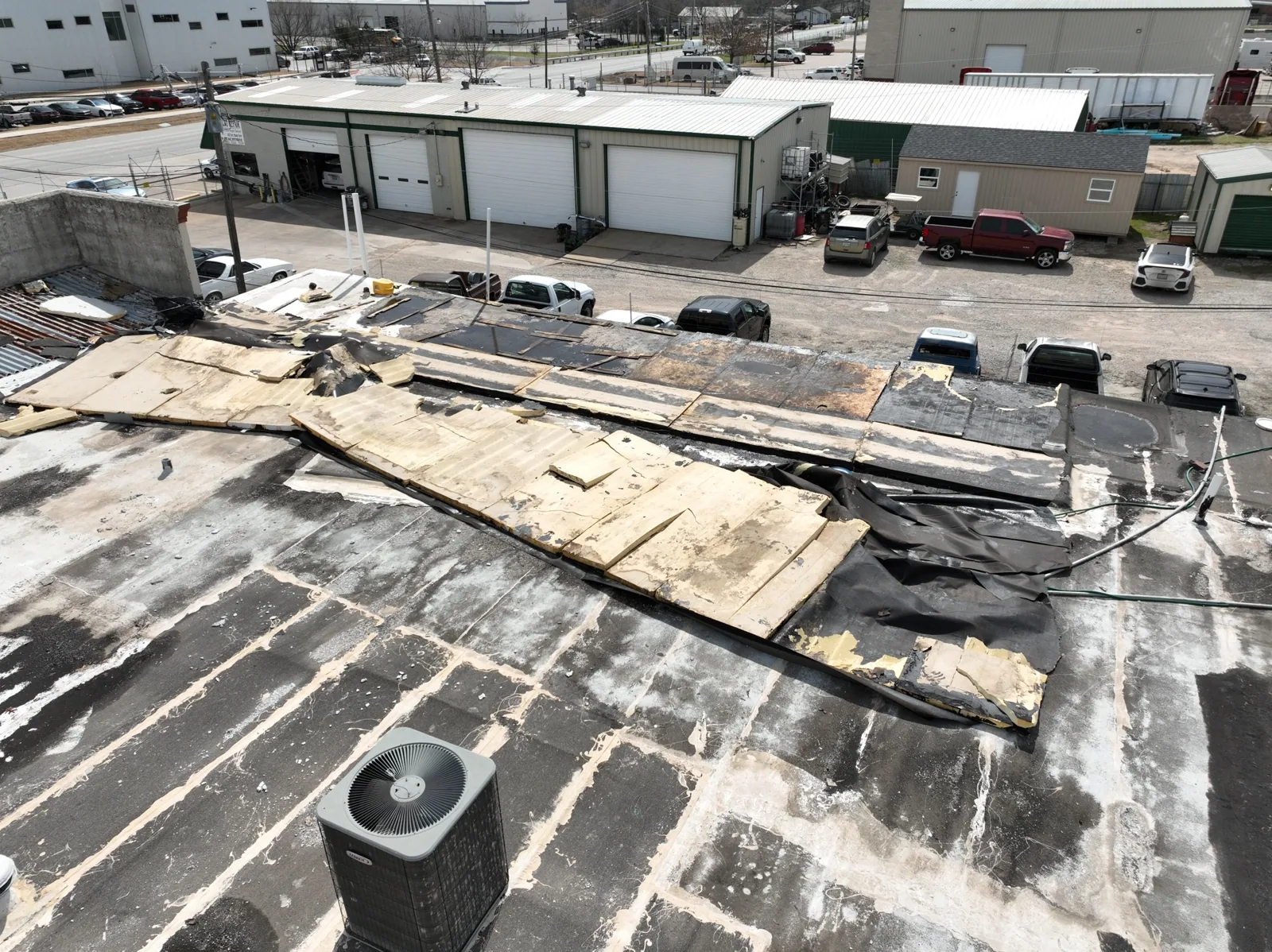
Sometimes the right first step is a temporary one. A tarp secured to the deck, a patch over an open seam or a sealant bead at a penetration can hold through a rain while a permanent repair is planned. These measures only help when they are done well: edges fastened to the deck, not weighted down; patches cleaned and primed; sealants applied to dry surfaces.
Each temporary measure is photographed and listed in the file with its date and the date by which it should be replaced. After the next rain, we return and check it. Temporary protection that is forgotten becomes permanent damage, so the log keeps it visible. Emergency roof repair follows the same record.
Heat Season Planning
In the Valley, heat-safety season runs May through October, and a roof has no shade for any of it. Surface wear and sealant failure accumulate over that season, and small defects grow. For a limited budget, the sensible schedule puts repairs before the heat peaks, so that sealants and seams go into the season in good condition.
The same logic applies to the tropical season. Hurricane season fills June through October, flood preparedness lasts all year, and Hanna in July 2020 left more than a foot of rain on Mission and McAllen. A roof with its drains cleared and its edges tight by June is better prepared than one repaired in August.
The Moisture Map as a Budget Tool
Few documents save as much money as a moisture map. It shows where the insulation is wet and where it is dry, and the line between them decides the scope. If wet areas are small and local, repair removes them and the roof returns to service. If they are wide, patching only hides them, and the money goes further in a bigger project.
We build the map with probes and meters, and where the roof size or history calls for it we add an infrared moisture survey. Readings are marked on the sketch with dates, so a second survey can show whether a wet area is growing. A map taken before a repair and another taken after tell the owner whether the repair worked.
The map also guards against wasted spending. A coating over wet insulation fails. A new membrane over wet insulation fails. A repair that leaves wet material in place fails. Knowing before the money is spent where the water is gives the owner the option of doing the work in the right order, and of declining work that would not hold.
When Spending More Saves Money
Staging has limits. When repairs are repeated on the same roof several times a year, the total can exceed the cost of a larger project. When insulation is wet across wide areas, repairs treat symptoms. The record shows when that point is reached: the number of repairs, their dates and the moisture map.
At that point the recommendation moves toward a coating restoration, a recover or a replacement, and it shows both sets of numbers. The owner can compare the cost of continued repair over several years with the cost of a single project. If the budget cannot cover the project, the plan stages it. If the budget can cover it, the plan says when.
Records Across Neighboring Buildings
Owners with more than one building can put them in one ranked list. A multi-site program uses a single format so that the worst roof in the group is easy to find and the budget goes where the risk is highest. Buildings in Palmview and La Joya can be added to the same list.
Questions and Answers
How do I decide which roof repair to do first?
Rank by consequence. Work that stops active leaks and protects contents goes first, then work that prevents the next failure, then work that can wait. The inspection gives each item a price so the order follows the budget.
Is temporary protection a waste of money?
Not if it is done well and tracked. A secured tarp or a primed patch can protect a roof through a rain while the permanent repair is planned. It becomes a waste only when it is forgotten.
When do repeated repairs cost more than a project?
When the same roof needs repair several times a year, or when moisture surveys show widespread wet insulation. The record of repairs and the moisture map make the point visible, and the recommendation compares both costs.
Can work be staged across several budget years?
Yes. Each stage is written with the condition it leaves behind, and the file records what remains. The moisture map is repeated to confirm the earlier stages held.
How should a roof be readied for June?
Clear drains and scuppers, tighten edge metal, reseal penetrations and record the roof with dated photographs. That baseline supports any repair or claim after a storm.
Why map moisture before choosing a repair?
The map separates local wet spots from wide ones, and that line decides whether repair, coating or replacement fits. Spending before the survey risks sealing wet insulation in place.
Request a Documented Inspection
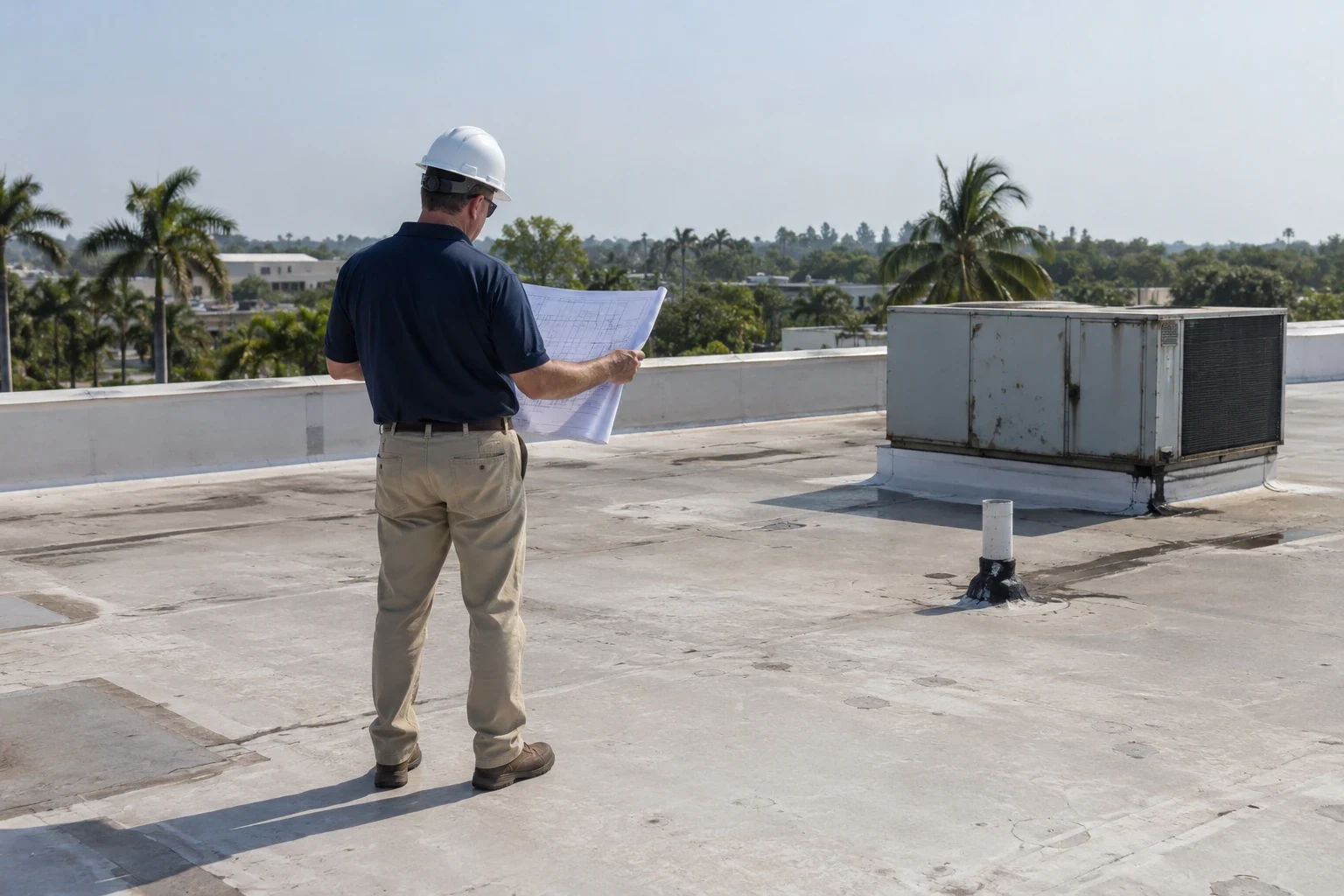
Ask for a visit to your Palmview South, TX roof and receive a written condition summary with tagged photographs, a rooftop sketch and a ranked list of findings with prices. The summary can be reused for budgeting or an insurance conversation. Start from the contact form.