
Service Areas
Commercial Roofing in Sullivan City, TX

The line an inspector writes first for a roof in Sullivan City, TX is about water leaving the roof, not water landing on it. Hanna's rain met poor drainage, and parts of the Mission, La Joya, and Sullivan City area stood under 18 inches to as much as 4 feet of water. Sullivan City covers about 3.6 square miles and counted 3,908 residents in 2020, and on a roof of any size, standing water after a heavy rain is a drainage finding, so the written record starts there.
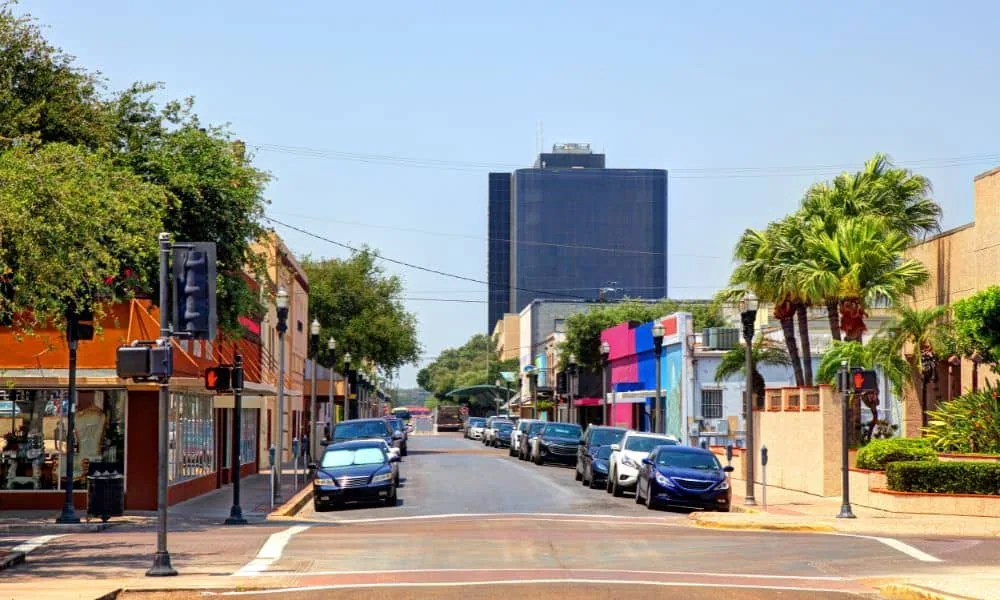
A Small City Served by Two School Districts
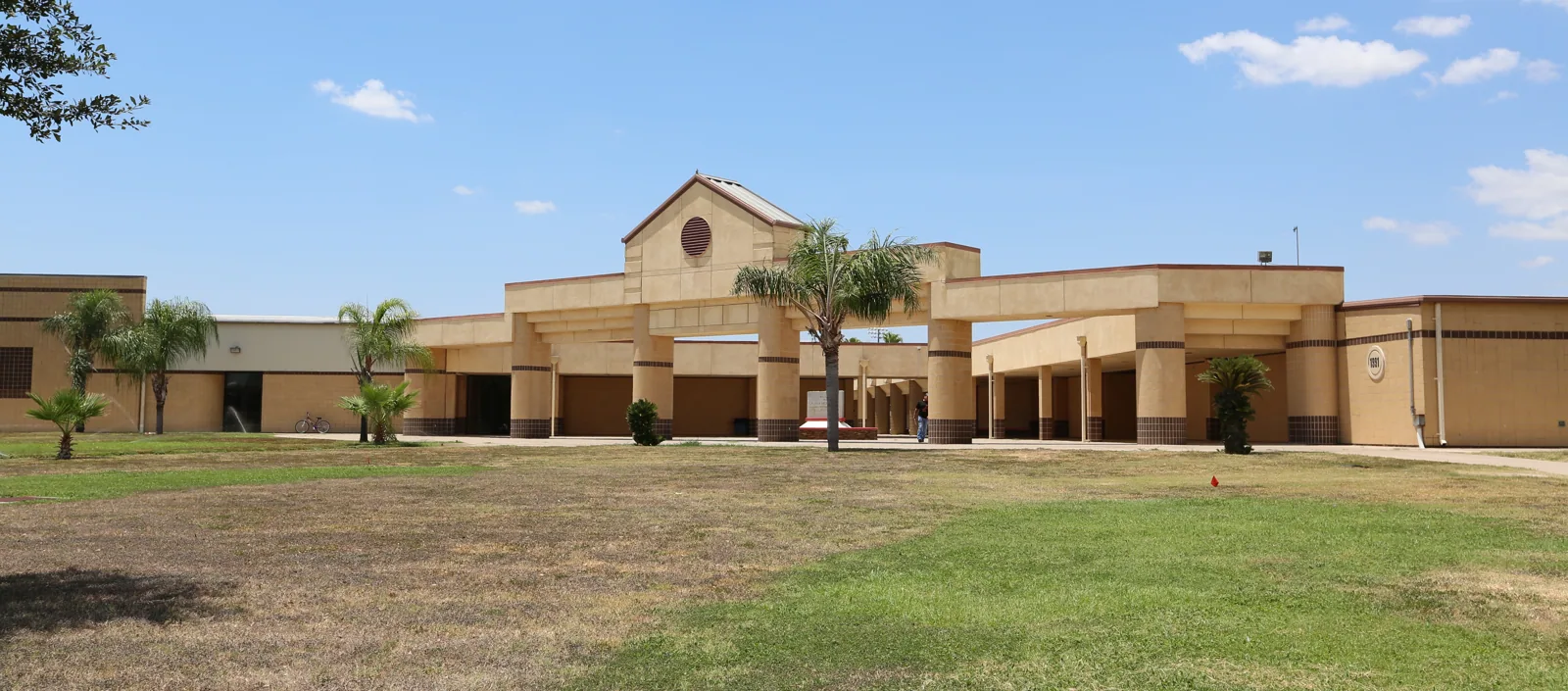
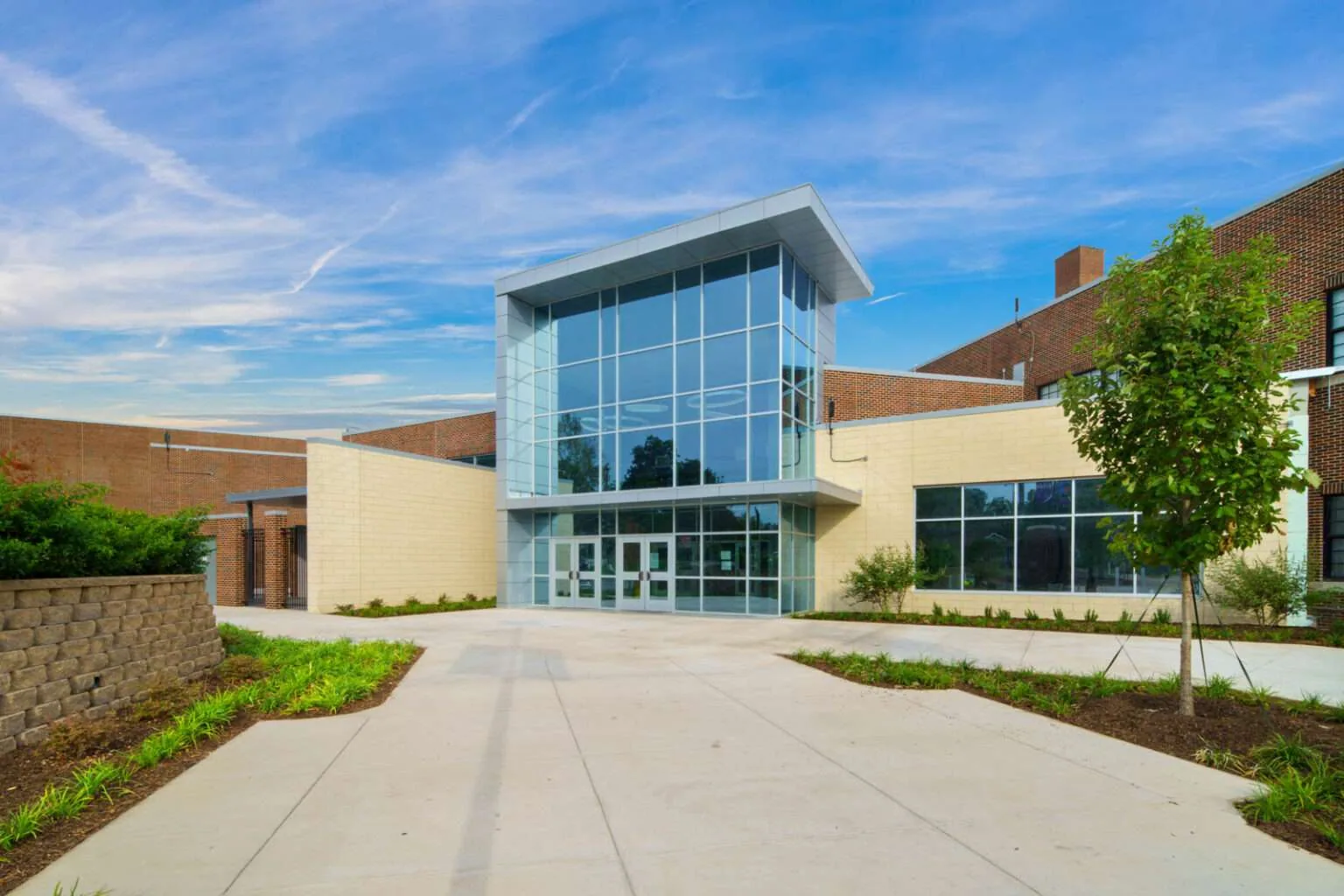
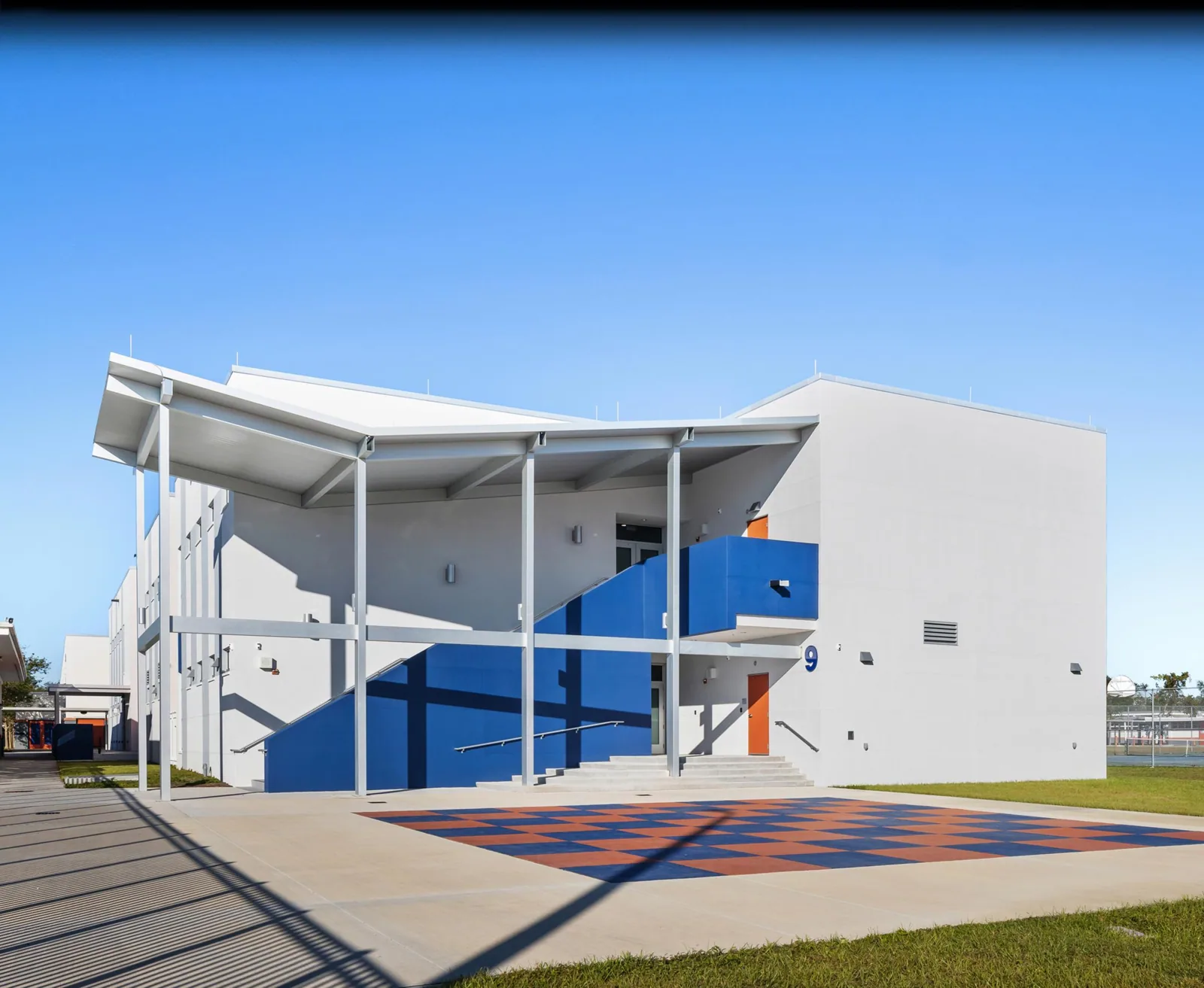
La Joya ISD and South Texas ISD magnet schools serve Sullivan City, so school roofs belong on the list of buildings an owner or district may need to plan for. The US 83 relief route around Peñitas, La Joya, and Sullivan City, which opened in stages across 2023 and 2024, changes how traffic moves through the three cities.
When an owner calls, we ask what the building is used for, what the roof is made of, and when the last leak appeared. The first walk then fits the answers: a school section, a small commercial building, or a storage structure each need a different set of questions. Nearby, La Joya and Peñitas are covered by the same inspection format.
What 18 Inches to 4 Feet of Water Teaches a Roof Owner
Flooding at street level is not the same thing as water on a roof, but the lesson carries over. When drainage is poor, water stays. A roof that cannot shed rain fast enough will hold it against seams, flashings, and penetrations, and every hour of standing water raises the chance of entry. Hurricane Hanna's rain in July 2020 reached 13.92 inches at a gauge in nearby La Joya and 14.40 inches northwest of Mission.
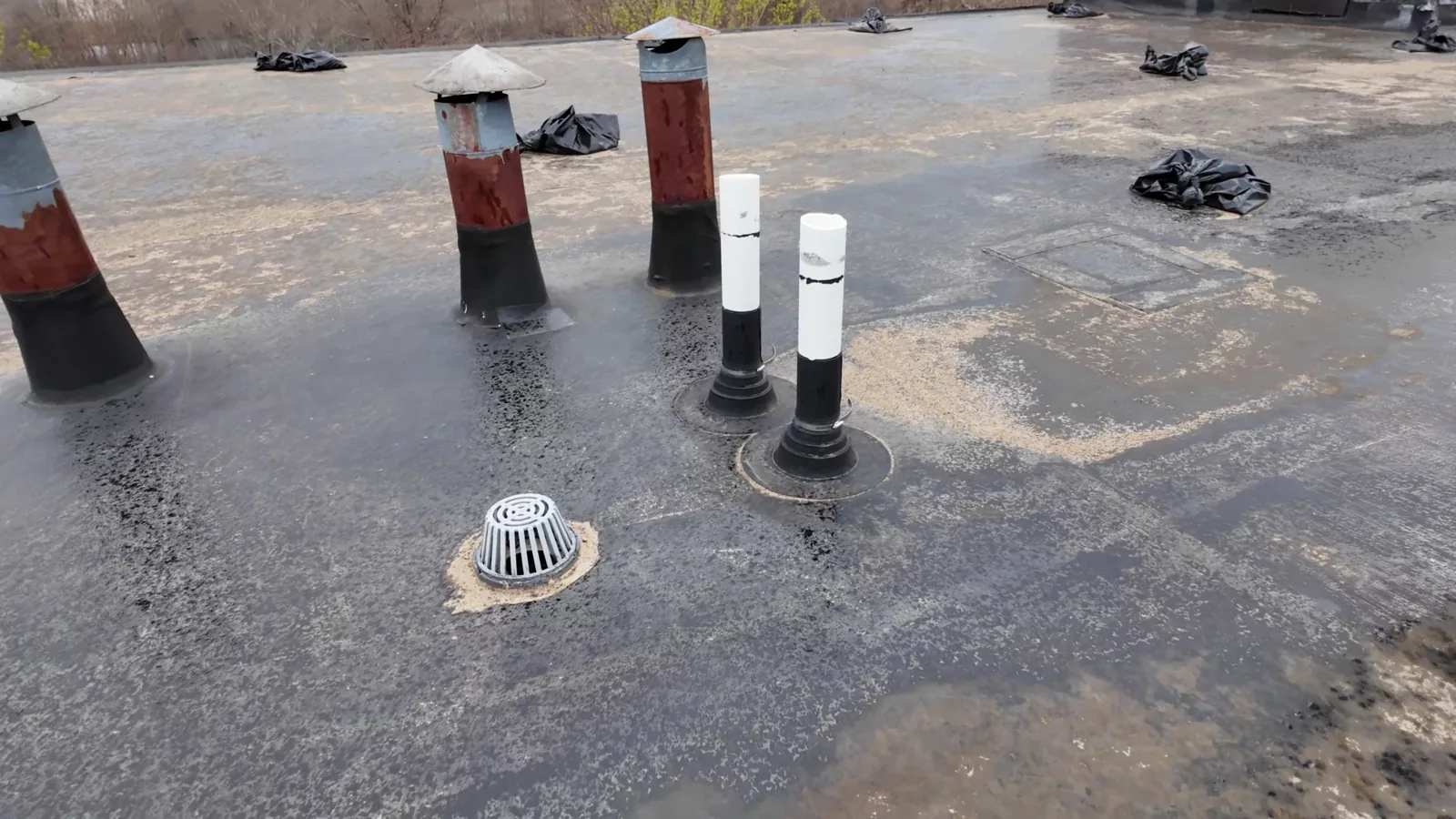
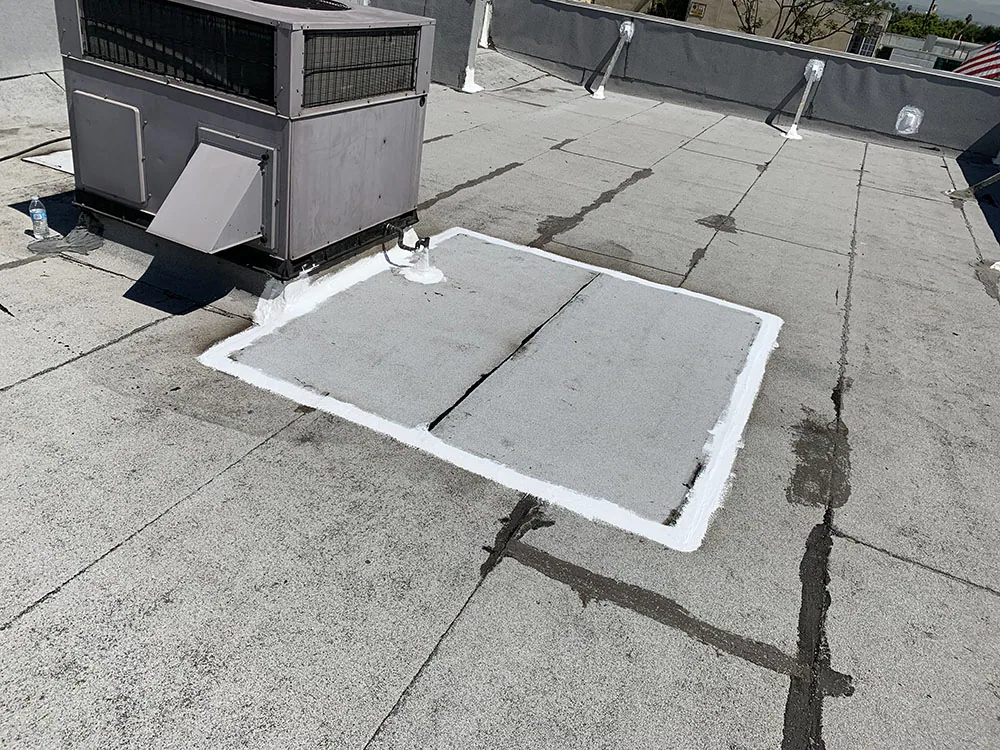
We treat every outlet as a finding. The drain and scupper log lists size, location, debris, and the depth of water near each one. Strainers are cleared and replaced. Overflow scuppers are checked for height and openings, and downspouts and collector heads are followed to the point where the water lands. A leader that dumps against a wall or a slab can send water back toward the building, so the discharge point is part of the record. Where a low spot ponds for more than a day after rain, the answer may be a cricket, an added drain, or a tapered insulation layout, and the drains and scuppers are logged again after the correction to prove it worked.
School Roofs and Phased Summer Work
A school roof is a dry-all-year roof that can only be worked on when students are away. That limits the window and raises the cost of surprises. A condition survey ahead of the break gives a district time to price repairs, plan phases, and order materials. We rate each roof section from sound to failing, mark the moisture where it is found, and write the scope so it can be bid.
Planning for school roofing also covers the practical parts: where the crew parks, where debris is stored, how entrances stay clear, and who signs off each day. The school district receives the same format of record for each building it manages, so one campus can be compared with another and funded in order of need.
Heat Season Wear
May through October is heat-safety season in the Valley, and hurricane season overlaps it from June to October. A roof here is hot for half the year and exposed to storms for much of it. Sealants stiffen, thermoplastic seams creep, and coatings thin along walkways.
On each visit we record the sealant, the seam edges, and the coating film in the same spots, so the change between visits is measurable. A preventive maintenance routine of two visits a year, one before May and one after October, usually catches problems while they are small. The records stay with the owner, and they make a coating or replacement conversation concrete because they show how fast the roof is changing.
Wet Insulation After Standing Water
When water has stood on a roof, the hidden damage is in the insulation. Wet board loses thermal value, softens, and rusts the fasteners that hold it. An infrared scan on a clear evening shows where the roof is holding heat from moisture, and core cuts confirm it. The resulting moisture map outlines wet and dry zones, which limits the repair to the area that is wet.
Small wet areas are cut out and replaced with board matched to the surrounding thickness. If moisture is widespread, the path moves toward a recover or replacement, and the readings explain why. At any hour, holidays included, a call gets a crew; the first visit dries the building in and records conditions with dated photographs. Temporary measures are labeled as temporary, and the permanent scope follows once moisture readings show where the roof is sound enough to bond new material.
Costs and Timing Drivers
Roof cost and timing follow the same drivers everywhere: area, penetrations, the amount of wet insulation, access for lifts and materials, and the hours available to work. The scope lists each. A commercial roof inspection sets the baseline, and a moisture survey sizes the repair. Bids that follow the same written scope can be compared line by line.
For owners with more than one building in Sullivan City or nearby, the same sheet applies to each, and the buildings can be ranked. The weakest roofs get attention first, and the order is written down with the reason for each position, so a change in budget moves one line instead of restarting the whole conversation. The sound ones go on a monitoring schedule, with photographs that show whether anything is changing.
Questions and Answers
Why does the drain log matter so much in this area?
Hanna's poor drainage left 18 inches to 4 feet of water across parts of the Mission, La Joya, and Sullivan City area, which shows how fast rain can overwhelm outlets. A log of every drain and scupper, with photographs, tells an owner whether the roof is ready for the next event.
What does a district receive from a school roof survey?
Every roof section gets a number, photographs, moisture readings, and a condition rating. The summary ranks sections by need and recommends a timing window for each. A district can use it to plan summer work, build a budget, and prepare bid documents.
Can ponding be fixed without replacing the whole roof?
Often. Clearing blocked drains, adding a cricket, or laying a tapered insulation section over the low area can correct local ponding. If ponding is widespread, a larger slope correction may be part of a replacement. The drain log and a measured sketch show which applies.
Do you work on small commercial buildings?
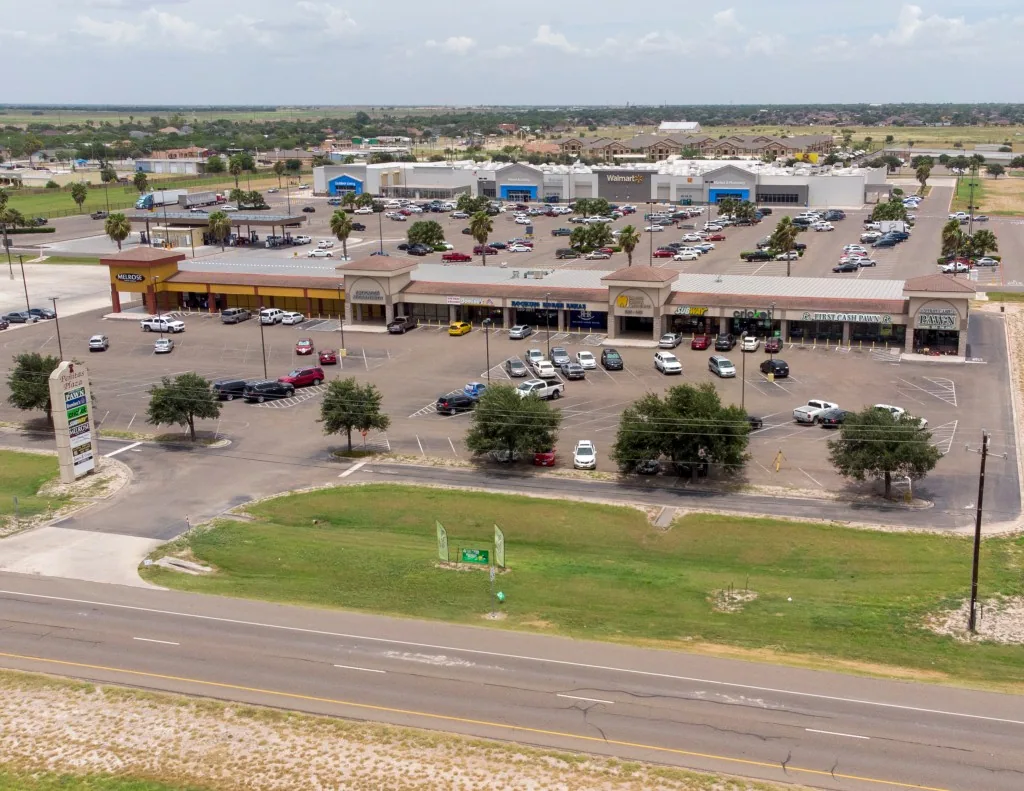
Yes, buildings of any size get the same inspection record. A small roof with a leaking skylight or a failed pipe boot is handled the same way as a larger one: photographs, a sketch, and a written scope. The cost drivers are simply smaller.
How quickly can the first visit happen after a storm?
Emergency calls are taken at any hour, and the first visit is a dry-in with a photographic record. Permanent repair follows once the roof is dry enough to bond. Sullivan City, La Joya, and Peñitas share the same relief route, so one visit plan can cover all three.
Schedule a Sullivan City Roof Walk
Send us the building address and describe where water collects. We will log every drain, photograph each finding, and give you a written condition summary that supports repair planning or an insurance conversation.