Service Areas
Commercial Roofing in West Sharyland, TX
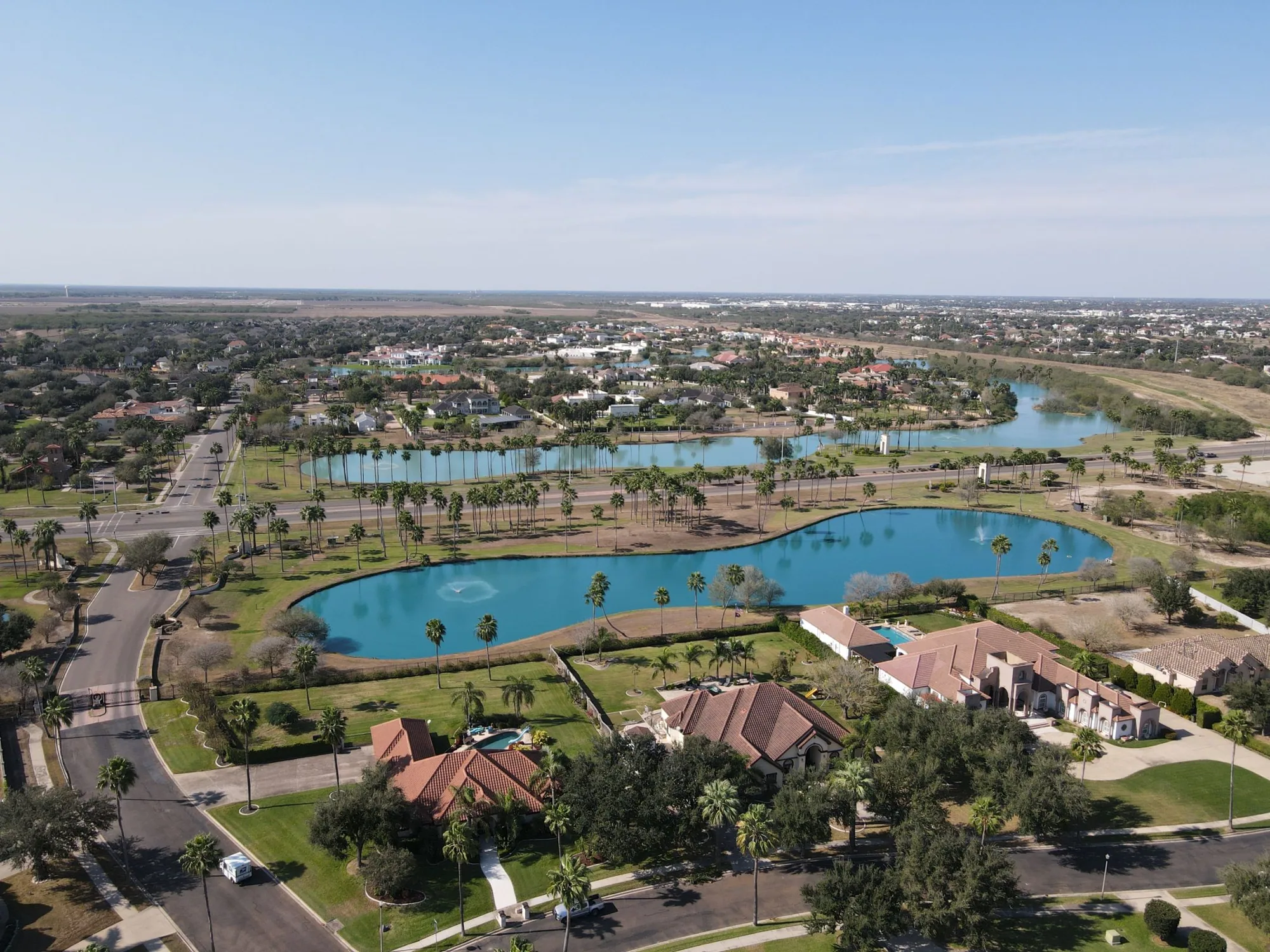
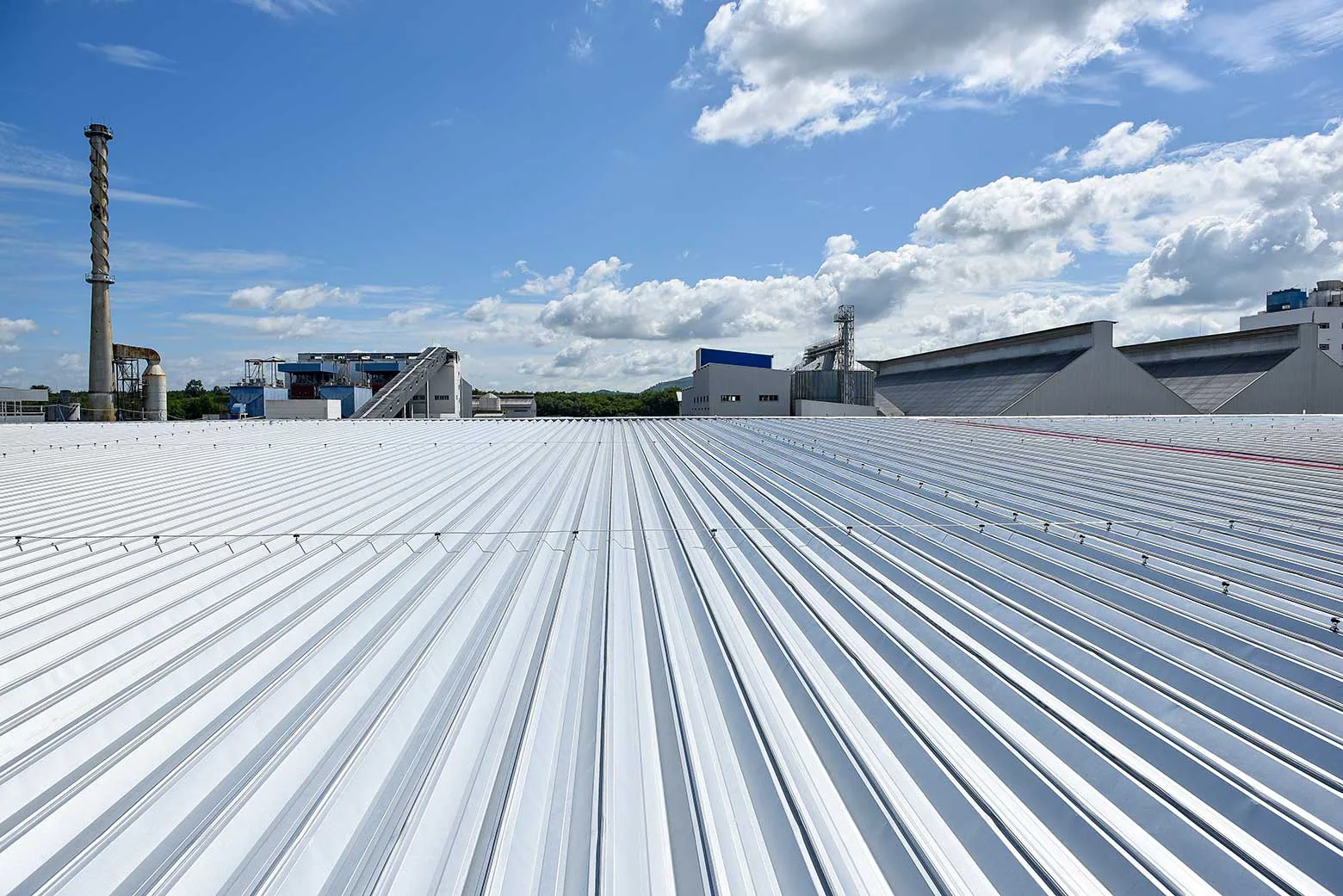
The first entry on a metal-roof inspection is a fastener count: how many screws along one panel line are backed out, how many washers are split and how far the edge trim has lifted. West Sharyland, TX covers 2.3 square miles and had 2,004 residents in 2020, and it is a bedroom community whose residents commute to McAllen and Mission. The commercial roofs that serve such a community tend to be modest in size, and the record we keep for each is short and specific.
Mission CISD and La Joya ISD campuses serve the area, so schools and the businesses around them are part of the roofing picture. The inspection order is the same for each building: perimeter, penetrations, field, seams, drains and equipment, with a photograph and a note at every stop.
What Hanna Showed About Roof Attachment
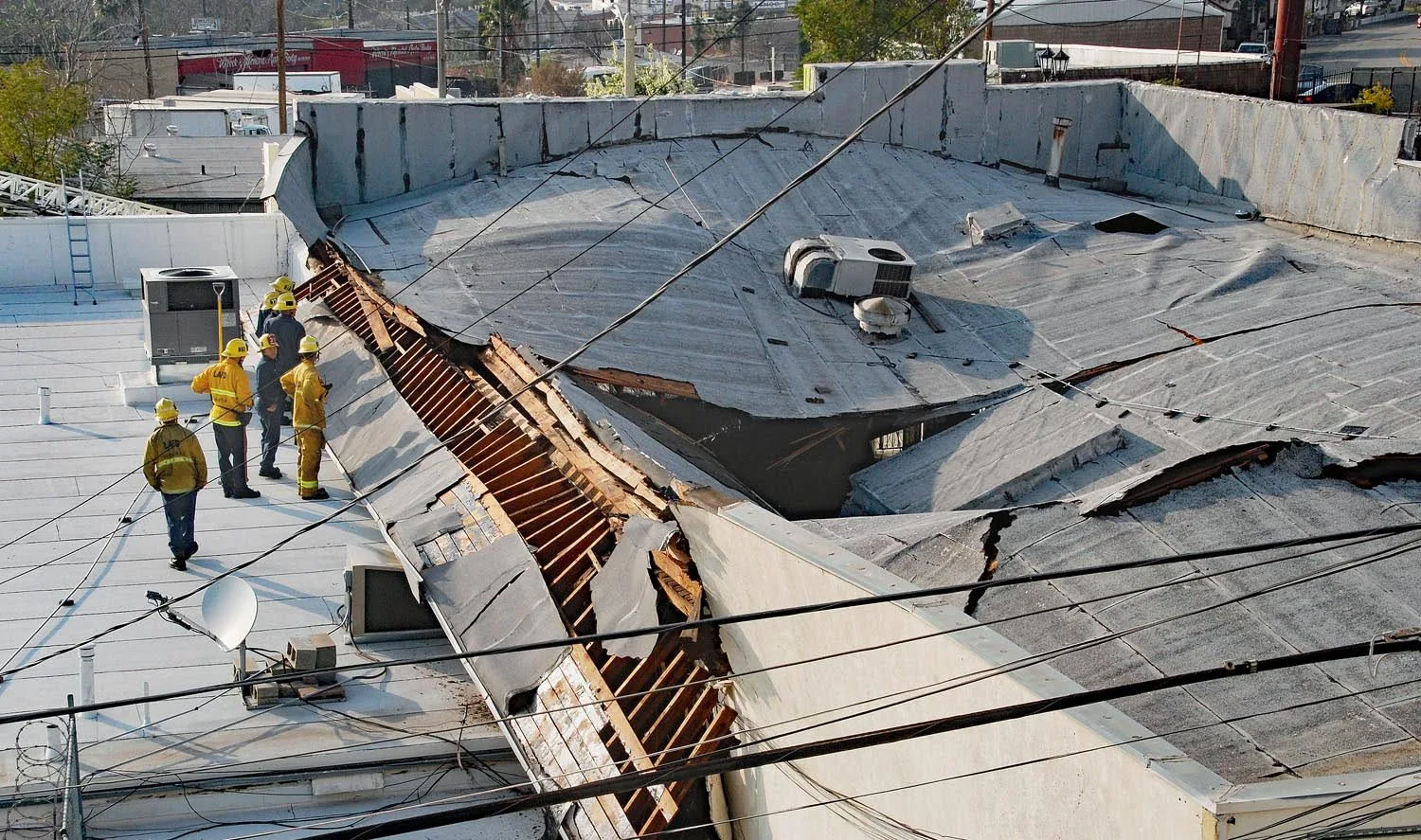
During Hurricane Hanna in July 2020, flooding and sheet-metal roof damage spread across the Mission and McAllen area. Estimated winds of 60 to 65 mph along the I-2 corridor were enough to blow off or tear back several sheet-metal roofs in McAllen. For a roof owner, the lesson is that attachment matters long before the wind peaks: screws, clips, trim and laps hold or do not hold, and a wind damage repair starts from the same list.
We check each of those. Screw heads are inspected for rust, washers for cracks, laps for gaps, and trim for movement. A pull test on a sample of fasteners shows whether the substrate still holds them. Where results are poor, the recommendation is to replace fasteners with ones sized for the substrate, re-secure trim and reseal laps, and to repeat the test after repair.
Edge Metal and the Perimeter
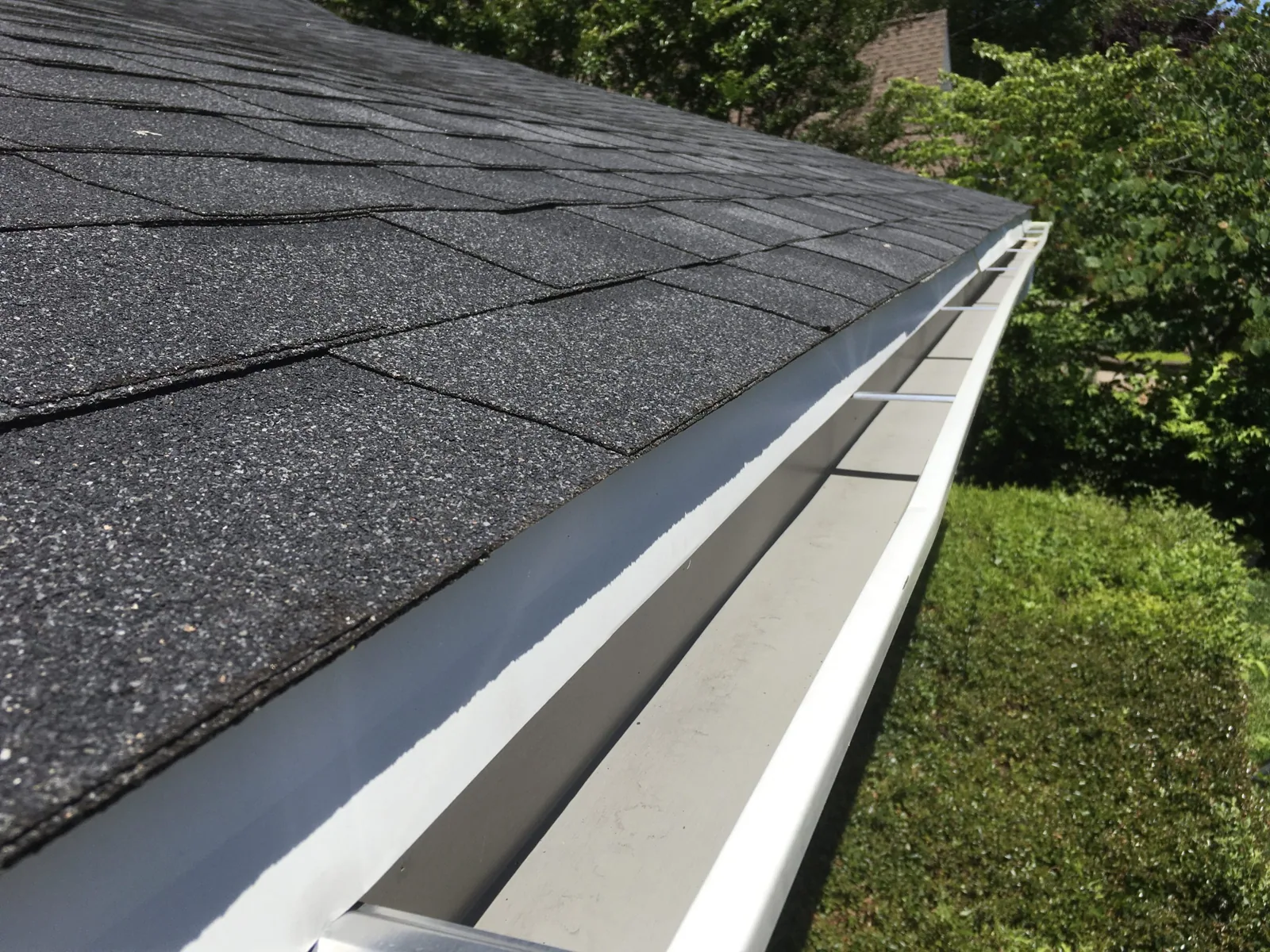
The perimeter takes the highest wind loads, so it gets the most careful look. Coping, fascia and drip edge are checked for tightness to the substrate, for joints that have opened and for corrosion at the fasteners. A section of lifted edge photographed on the day of a storm is a repair item. The same section photographed before the storm is evidence of what changed.
Edge repairs depend on the substrate. If the blocking behind the metal has rotted or split, replacing the metal alone will fail again, so the blocking is repaired first. Joints are sealed with a compatible material, and the repaired section is photographed with a scale card. Work on edge metal, coping and gutters follows this sequence on any building.
Low-Slope Sections on Small Buildings
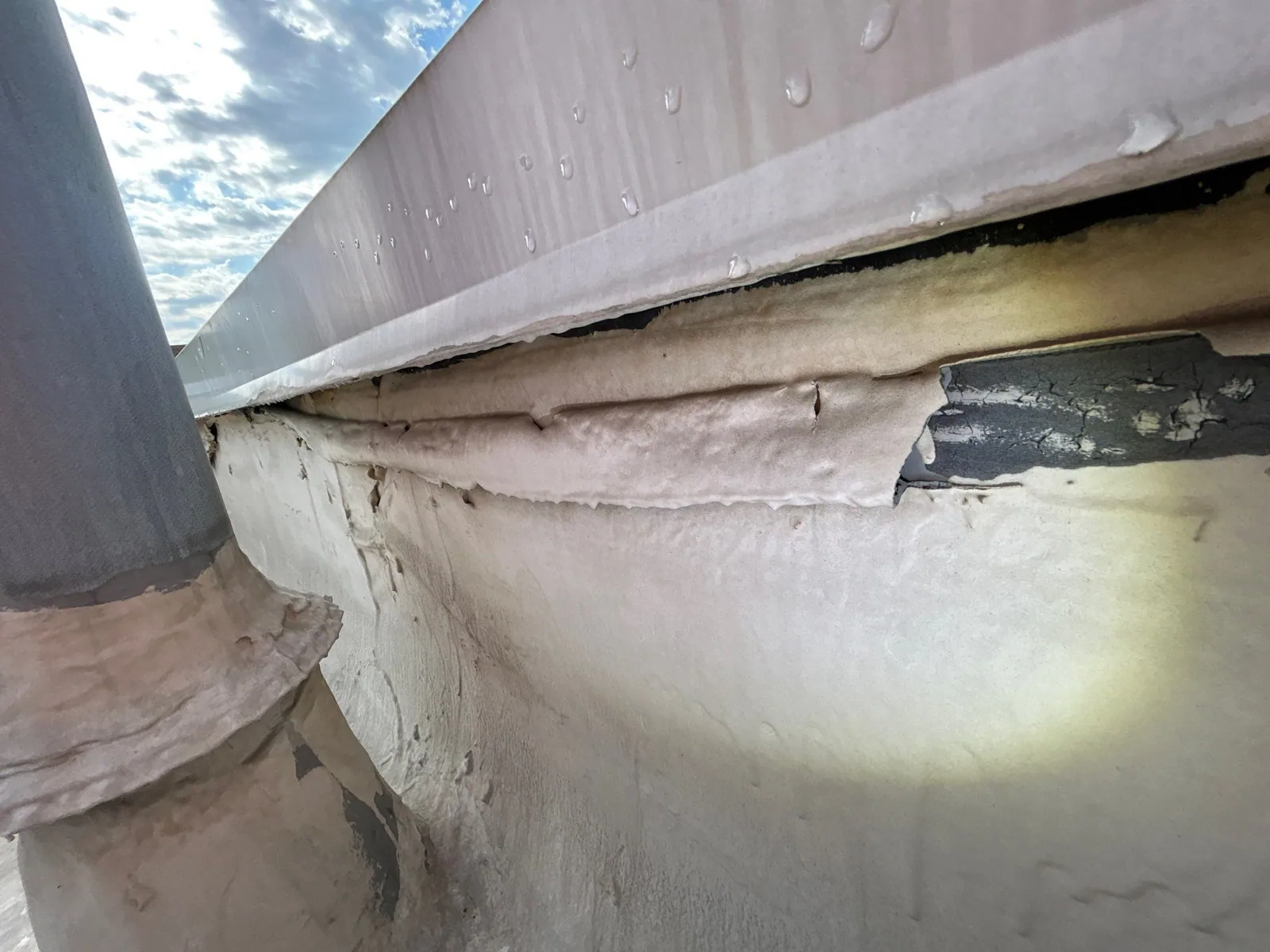
Where a building combines a metal roof over the main space with a low-slope section over an entry or an addition, the junction between them is a frequent leak path. Flashings at the wall, the transition from metal to membrane and the drains on the low-slope portion are all logged separately.
The low-slope section is probed for soft spots and checked for ponding. A small membrane section next to a large metal roof receives runoff from it, which means the drain or scupper carries more water than the area alone suggests. We note this on the sketch and recommend sizing or clearing accordingly. A related note appears in flashing failure repair, since most leaks at such junctions trace to the flashing.
Heat Season and Metal Movement
The Rio Grande Valley's heat-safety season runs May through October. Metal roofs respond to it with expansion, contraction and surface heating, all of which work on fasteners and sealants. A screw that is tight in March may be loose by October. A sealant bead that was flexible when installed may crack. For that reason we recommend a spring inspection, before the heat season peaks, and a follow-up in autumn.
Surface finishes are noted too. Chalking paint, rust staining and bare edges show where the coating on the metal has failed. Where a finish is failing, the recommendation distinguishes cosmetic wear from corrosion that threatens the panel.
Working Around a Commuter Community
In a community where residents commute to McAllen and Mission, morning and evening traffic and customer hours set the day. We plan around deliveries and customer arrivals, stage materials away from entrances and keep noisy work out of the hours when a nearby school is in session. For roofs on buildings that serve the school day, summer is the preferred window for larger projects.
When an emergency calls for a quick response, the first step is to stop water: tarp, temporary patch or sealant, depending on the opening. The permanent repair follows after a dry-weather window opens and the record is reviewed. Nearby roofs in Mission and Palmhurst receive the same sequence.
The Storm Comparison in Practice
A post-storm comparison is a simple exercise when the earlier record exists. We open the spring photographs, stand in the same spots and photograph the same details. The differences are marked on the sketch: a trim section that has lifted, a lap that has opened, a screw line that now shows daylight, a drain that holds water it did not hold before. Each difference becomes a line in the repair scope with its own photograph.
The comparison also shows what did not change. A roof that went through a hard rain with every detail intact has earned a note to that effect, and the note is useful the next time an insurer or lender asks how the roof is doing. Without the earlier record, the same roof has to be judged from the damage alone, and the owner cannot say whether a given defect is new.
Hanna's flooding and sheet-metal roof damage across the Mission and McAllen area is the kind of event a baseline is made for. The record turns a general impression of the storm into specific findings on a specific roof.
Repair, Retrofit or Replacement
When the structure is sound and the panels are in good condition, repair and re-fastening cost the least. A metal roof retrofit covers an aging roof with new panels over the old, subject to what the structure can carry. Replacement is the answer where panels are corroded, deformed or widely leaking. The written recommendation compares the cost of each option and lists the findings that decide between them.
Questions and Answers
What is a fastener pull test?
It measures how much force a sample of screws can resist before pulling out of the substrate. Low readings show that attachment was marginal, and replacing the metal alone would not fix it.
Can a metal roof be repaired instead of replaced?
Often. Replacing fasteners, resealing laps and re-securing trim fix many roofs. Corroded or deformed panels need replacement, and the recommendation separates those items from the ones that can be repaired.
Why check the junction between a metal roof and a flat section?
The junction is a common leak path, and the flat section receives runoff from the metal roof. A flashing problem or a clogged drain there can look like a failure of the whole roof.
When should a metal roof be inspected?
In spring, before the heat season peaks, and after any named storm. Fastener and trim condition change over a heat season, and a dated record shows how fast.
How is noisy work scheduled near schools?
Major work is planned for breaks or hours when classes are not in session, and emergency work is done whenever needed. The recommendation states the working window.
What does a post-storm comparison involve?
It is one inspection and a short report. It also keeps the repair scope tied to what changed, which prevents work on conditions that were already there.
Request a Documented Inspection
Ask for a visit to your West Sharyland, TX roof and receive a written condition summary with tagged photographs, a rooftop sketch and fastener readings. The summary states which findings call for repair, retrofit or replacement, and it can be reused for budgeting or an insurance conversation. Start from the contact form.