
Roofing Capabilities
Roof Condition Reports in Mission, TX
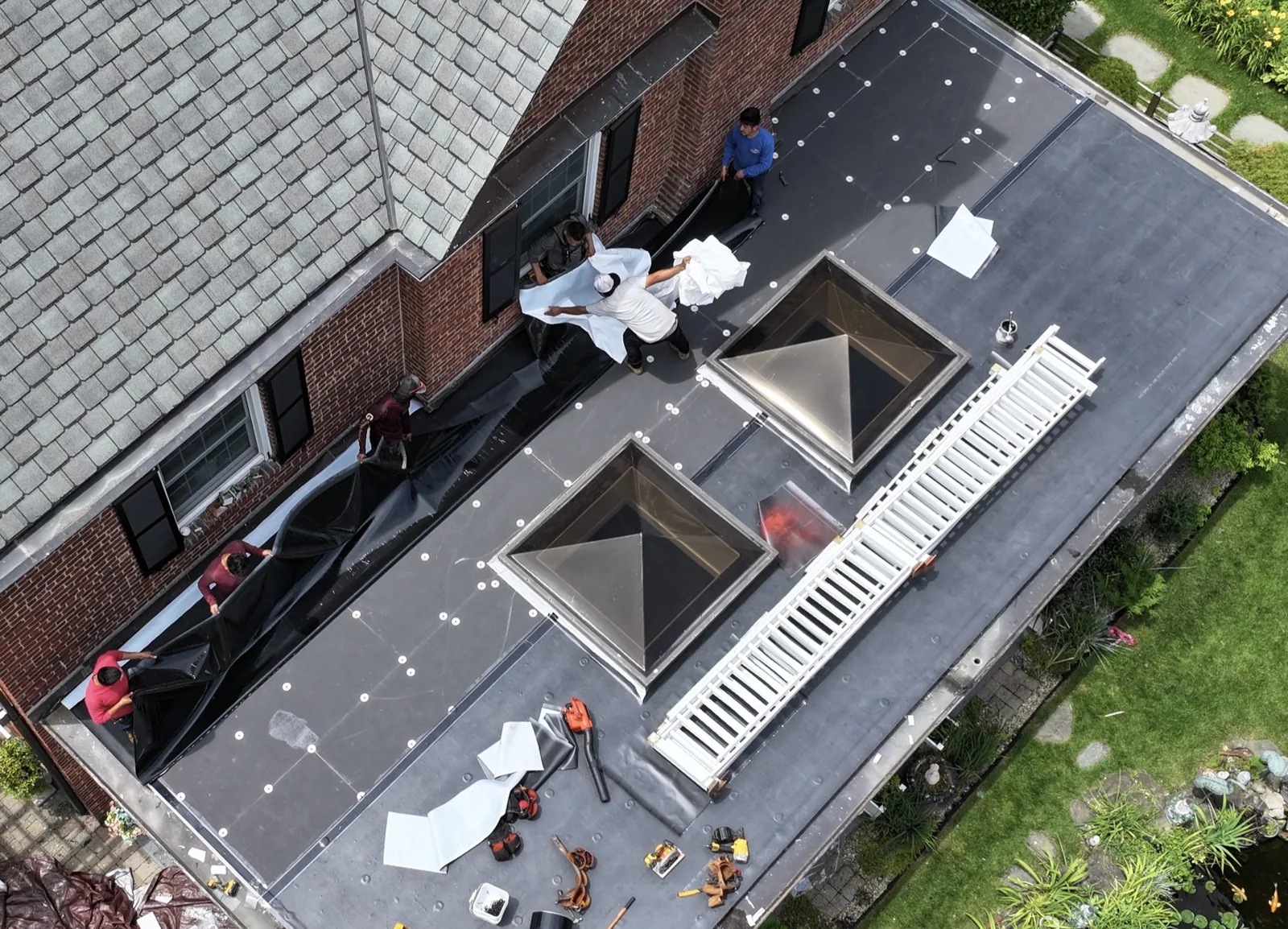
The first page of a condition report is not a summary of opinion. It is a table: each roof section, the system, the observed condition, the evidence and the action that follows. The reader can check any row against a photograph taken on the roof on a stated day, which is why the report holds up when a lender, an adjuster or a new owner reads it.
For owners and property managers in Mission, TX, a condition report is the working document behind a roof decision. It states what was found, in what order, and what the findings support. It separates what needs work now from what is only monitored, and it can be reused for a budget request, a warranty file or an insurance conversation without being rewritten.
How the Inspection Is Run
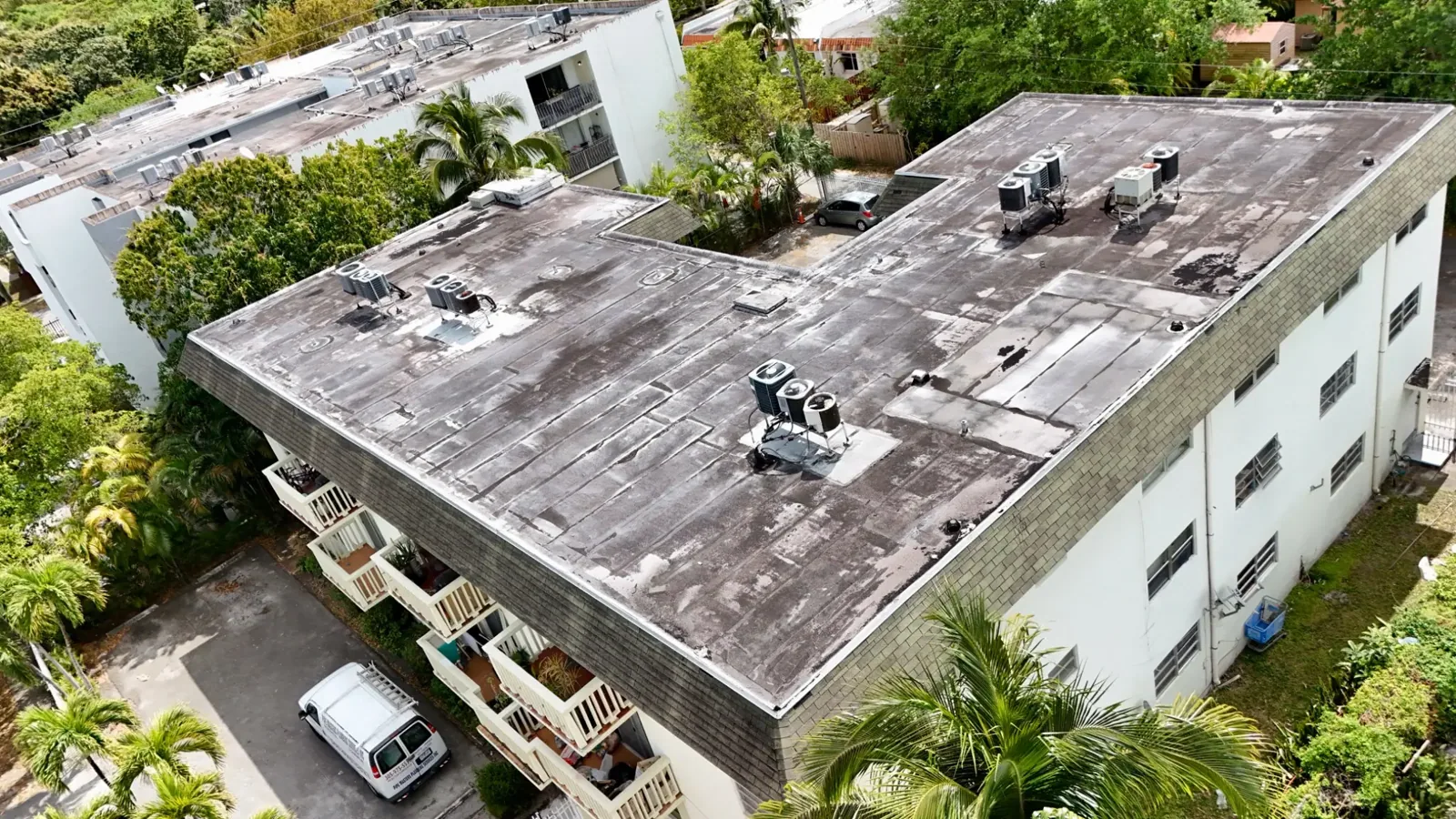
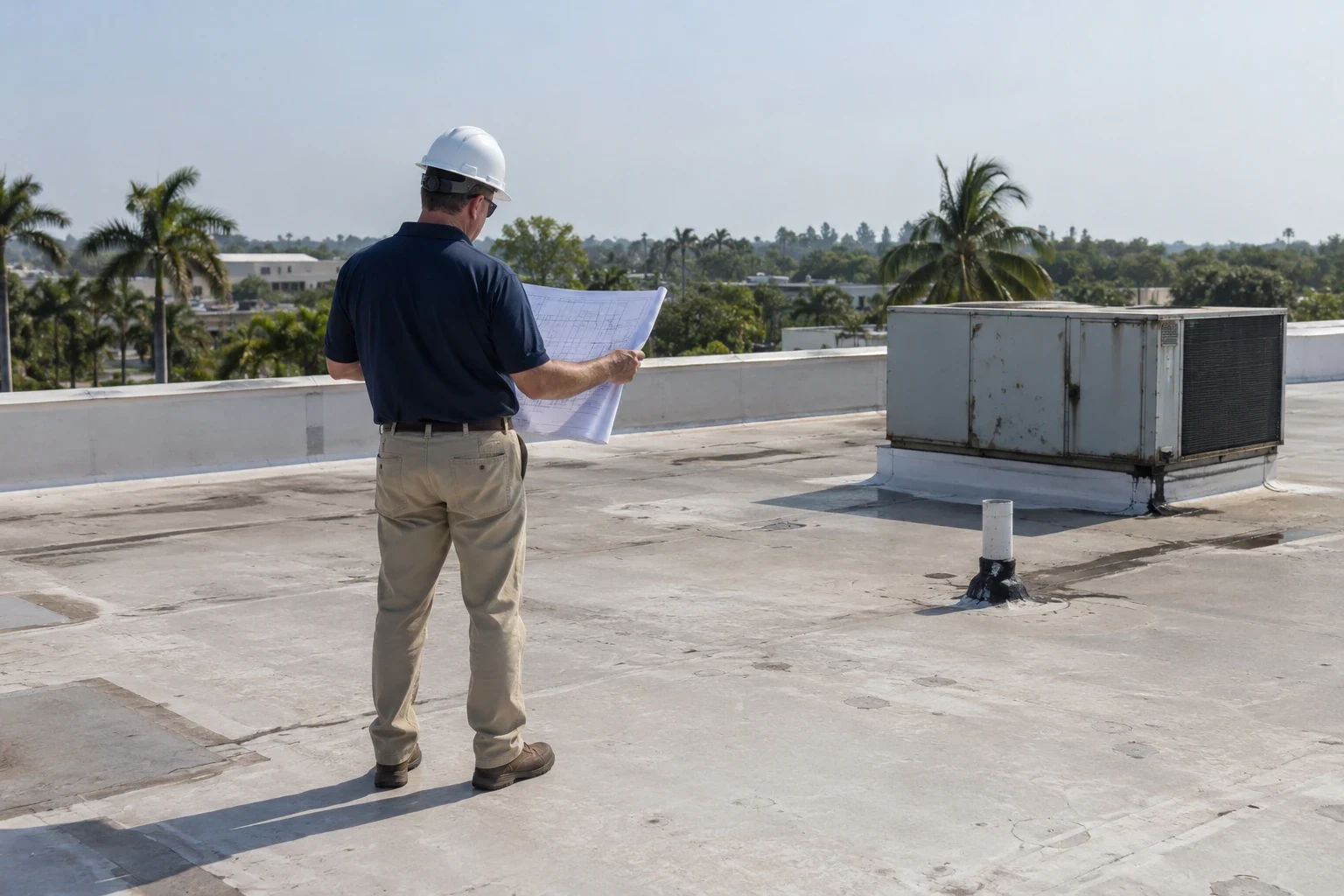
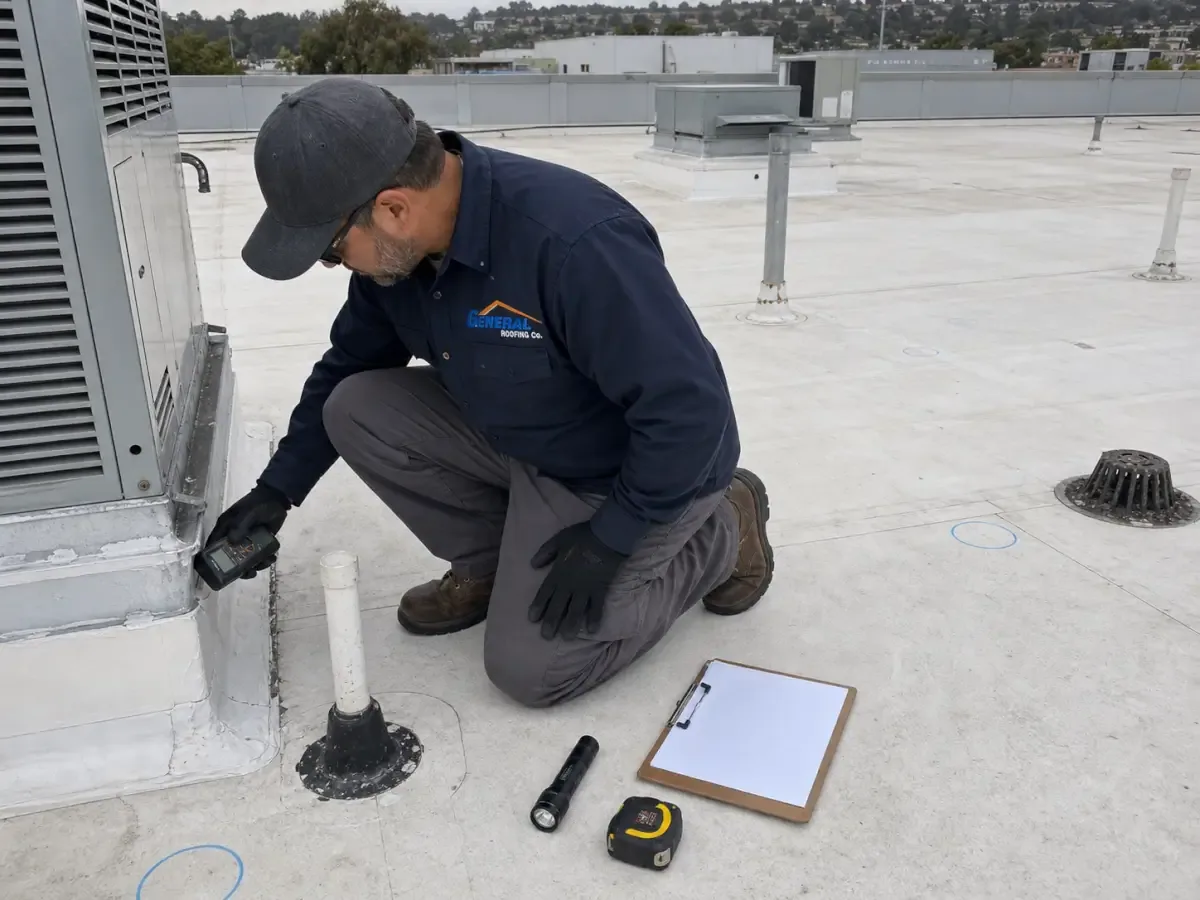
The inspection starts with a walk of the whole roof in a set order, so that no section is skipped and two inspectors would produce the same record. We check the roof surface, the seams, the terminations, the perimeter metal, the drains and the penetrations, along with the supports under rooftop equipment. A photograph with a scale card and a section tag goes with each condition, and a mark on the rooftop sketch fixes its position.
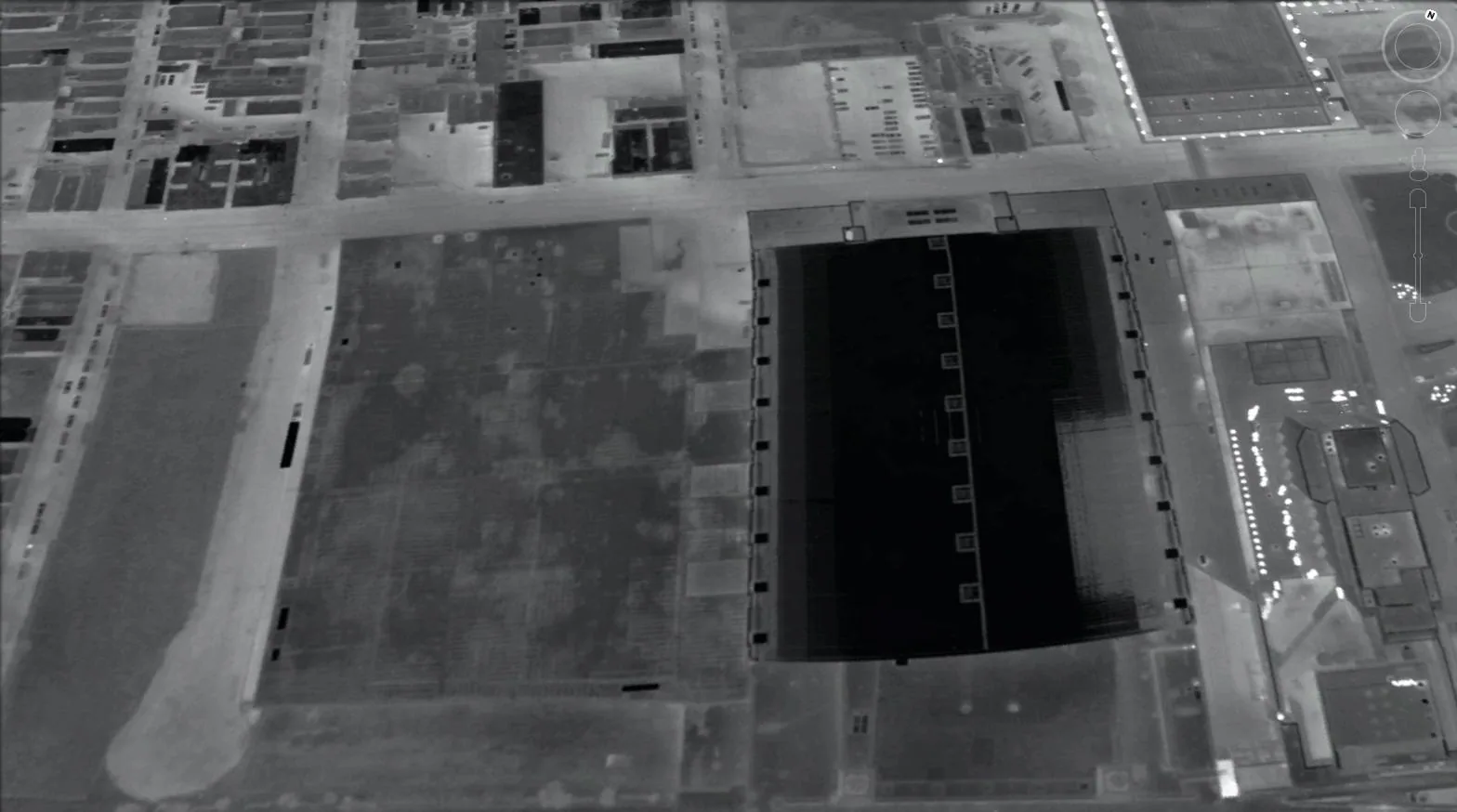
Moisture is checked as part of the walk. Probes and meters identify soft or wet areas, and where the roof or the building history calls for it, an infrared moisture survey or a drone roof inspection adds coverage of areas that are hard to reach. Core samples are taken only where the findings call for them, and each is patched and logged.
Access is arranged before the visit. We confirm roof hatch or ladder location, the presence of tie-off points and any restrictions from tenants or operations. Where a roof cannot be walked safely, the report states which areas were inspected from the edge or by drone, so the reader knows the limits of the record.
What the Report Contains
Every report follows the same order. A cover page names the building, the roof sections and the date. A condition table rates each section and lists its findings. Tagged photographs follow, grouped by section. The rooftop sketch shows the position of each finding and each moisture reading. A drain and scupper log gets its own page. A scope line states which findings drive a recommended action, and which are monitored.
The recommendation page sets out the options with costs: repair, coating, recover or replacement where each applies, with the finding that supports it. A short narrative explains the reasoning in plain terms, so a reader who skips the tables still gets the decision and the reason for it. The final page lists open questions, such as an unverified insulation type or an unknown age, so the reader knows which parts of the picture are estimates.
Valley Conditions the Report Has to Reflect
Heat-safety season in the Valley runs May through October, and hurricane season follows from June to October. Both shape what an inspector looks for. In the heat season, surface wear, sealant hardening and seam stress are the leading findings. In the tropical season, edge metal, drainage and attachment matter most.
Hurricane Hanna in July 2020 gave a recent test. Winds estimated at 60 to 65 mph hit the I-2 corridor, hundreds of poorly built structures were damaged mostly at the roofs, and Mission-area rainfall ran 12 to 14 inches. Reports written after a storm like that note which findings appear to be new, using the earlier record as a baseline. A report with no earlier record says so, and starts the baseline for next time.
Drainage gets particular attention because the Valley's rain arrives in large amounts. On Shary Road near Griffin Parkway in Mission the flood water reached about 12 inches, and the wider Mission, La Joya and Sullivan City flooding traced to poor drainage. A roof that sheds water slowly is a finding in its own right, and the drain log records each outlet's condition on the day of the walk.
Using the Report for Budgeting
A budget needs three things from a report: what must be done this year, what can wait, and what it will cost. The scope line gives the first two. The recommendation page gives the third. An owner can move findings between lists as conditions change, and the file shows when and why they moved.
The report also feeds longer planning. Aging findings across several roofs become inputs to roof capital planning, and the record becomes part of a broader file under roof asset management. An owner with buildings in Mission, Edinburg and Weslaco gets the same format for every building, which makes it possible to compare roofs without translation.
Using the Report in an Insurance Conversation
After a storm, the condition report is the document an adjuster reads first. Dated, tagged photographs show what the roof looked like and where the damage sits. The sketch shows its extent. A comparison with an earlier report shows what changed. We keep storm findings separate from older wear in the text, so the claim covers what the event did and the budget covers the rest.
Our claim documentation follows the same order as the report. If a claim is disputed, the file is the evidence. If no claim is made, it still tells the owner what the storm did, and the post-storm record becomes the next baseline.
Adjusters and owners sometimes disagree about how much of a roof's condition is storm-related. A report that records the pre-storm state, where one exists, narrows that disagreement to specific rows in the table. The photographs are the common reference for the owner, the adjuster and any consultant who comes later, and each is tagged with the position it was taken from, so a second visit can repeat it exactly.
After the Report
The report ends with a recommendation, and the owner decides the next step. Repairs are scoped from the findings. Warranty items are flagged for notice. Monitored items are added to the next inspection list with a date. A second visit after repairs closes the loop: the same positions are photographed, the log is updated, and the record shows that each repair was checked.
Questions and Answers
How long does a roof condition report take to produce?
The walk takes as long as the roof requires, and the written report follows with photographs, sketch and recommendations. Larger roofs and multi-building sets take more time, and the schedule is stated before work starts.
What is the difference between a report and a quick estimate?
An estimate prices a repair. A report documents the roof first, then states what the findings support. The report can be used for budgets, warranties and claims, while an estimate is usually only a price.
Can the report be used by a lender or buyer?
Yes. Findings are dated, photographed and organized in a standard order. For acquisitions or financing, the same inspection can be formatted as a due diligence survey with the points those readers need.
Will the report recommend replacement?
Only when the findings support it. If defects are limited and the insulation is dry, the recommendation is repair or coating. The report shows the cost of each option so the comparison is visible.
How often should a condition report be updated?
Once a year at minimum, in spring, and after any named storm. Each update starts from the last one, which makes it faster.
Request a Documented Roof Condition Report
Send us the building address and the roof sections you want covered. The written condition summary will contain tagged photographs, a rooftop sketch, moisture readings and a scope line, and it can be reused for budgeting or an insurance conversation.