
Service Areas
Commercial Roofing in Alamo, TX
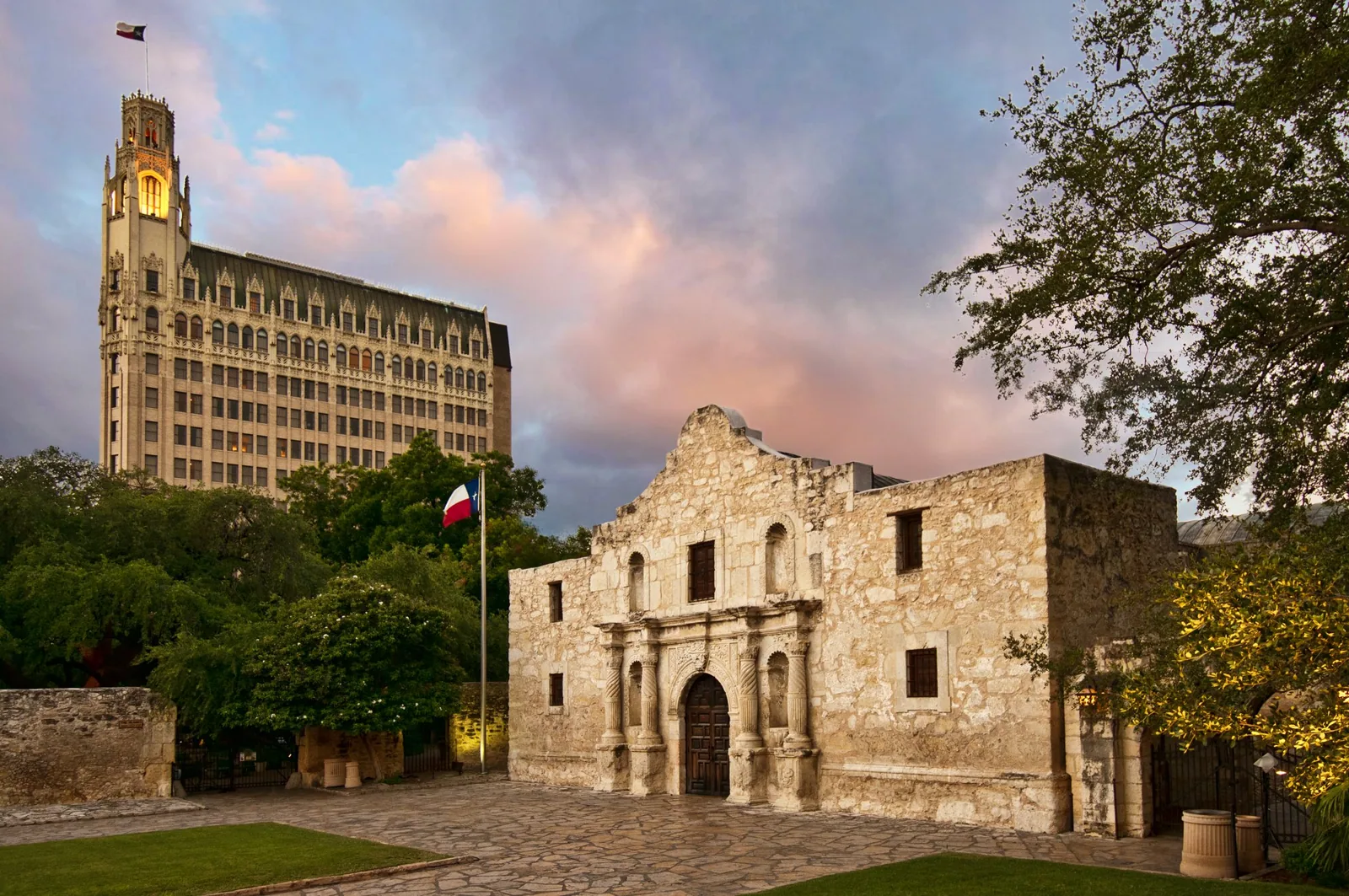
Alamo, TX is a winter resort and retirement town in an irrigated vegetable and citrus area, and that single description produces two lists of roofs. One is the buildings that serve seasonal visitors and retirees, which fill in winter and can sit quiet through summer. The other is the agricultural buildings, which sit under the same sun and storms with fewer people watching the ceiling. The first entry in either inspection record is the same: a dated photograph of the roof edge and a note on how the metal sits against its fasteners.
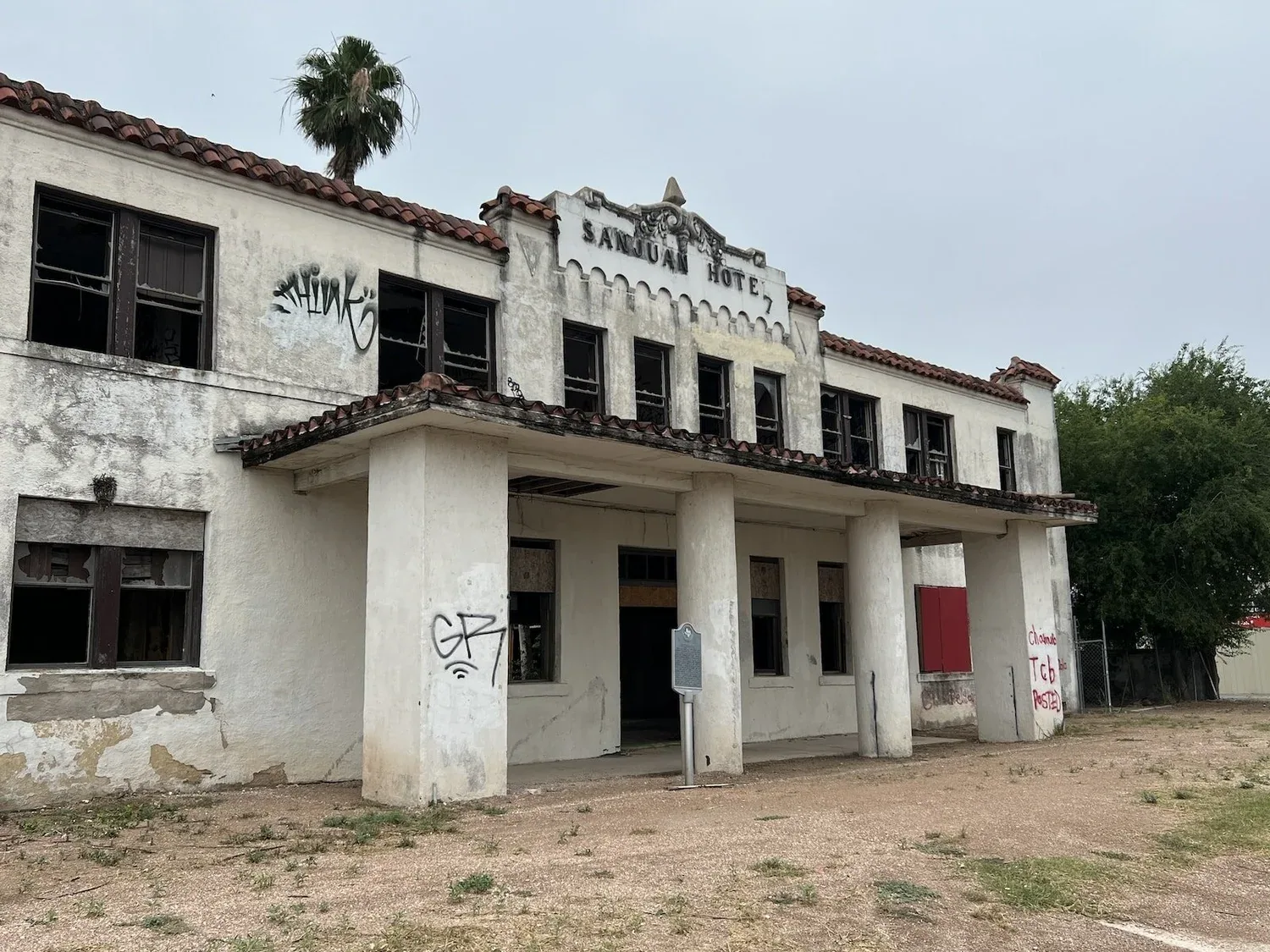
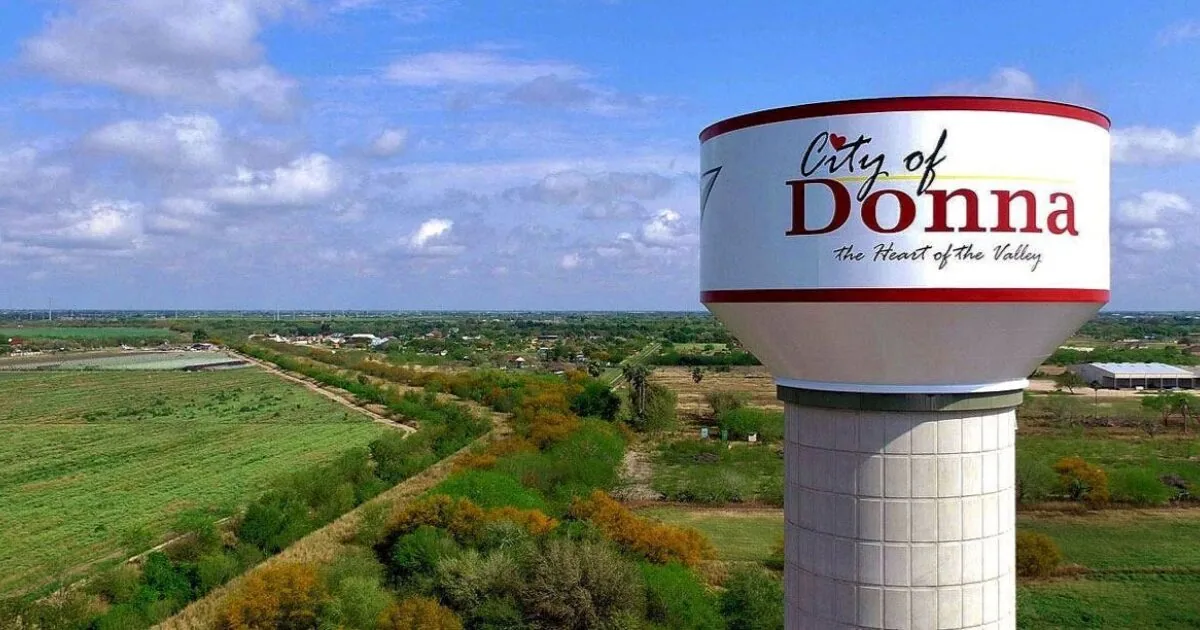
Alamo Between San Juan and Donna
Alamo had 19,493 residents in 2020 and sits between San Juan to the west and Donna to the east. US 281 connects Alamo to Nuevo Progreso, Tamaulipas, which makes the city one of the Valley's gateways to Mexico.
For roofing, geography matters less than what the buildings do. A building used part of the year has different roof stresses than one that is occupied daily. A shed that stores equipment has different priorities than a facility that serves residents. We start each job by asking what the building is used for, then tailor the inspection record to that. A building filled only in winter gets a walk before it closes and a second before it reopens. A storage structure gets a perimeter and fastener focus, with moisture checks only where the contents are sensitive to damp.
Seasonal-Visitor Buildings and Quiet Months
A building that sits quiet through summer can develop a roof problem unnoticed. Without regular foot traffic, a leak may run for weeks before anyone sees a stain, and wet insulation spreads in the meantime. May through October is the Valley's heat-safety season by the Brownsville office's count, and those are exactly the months when some seasonal buildings are least watched.
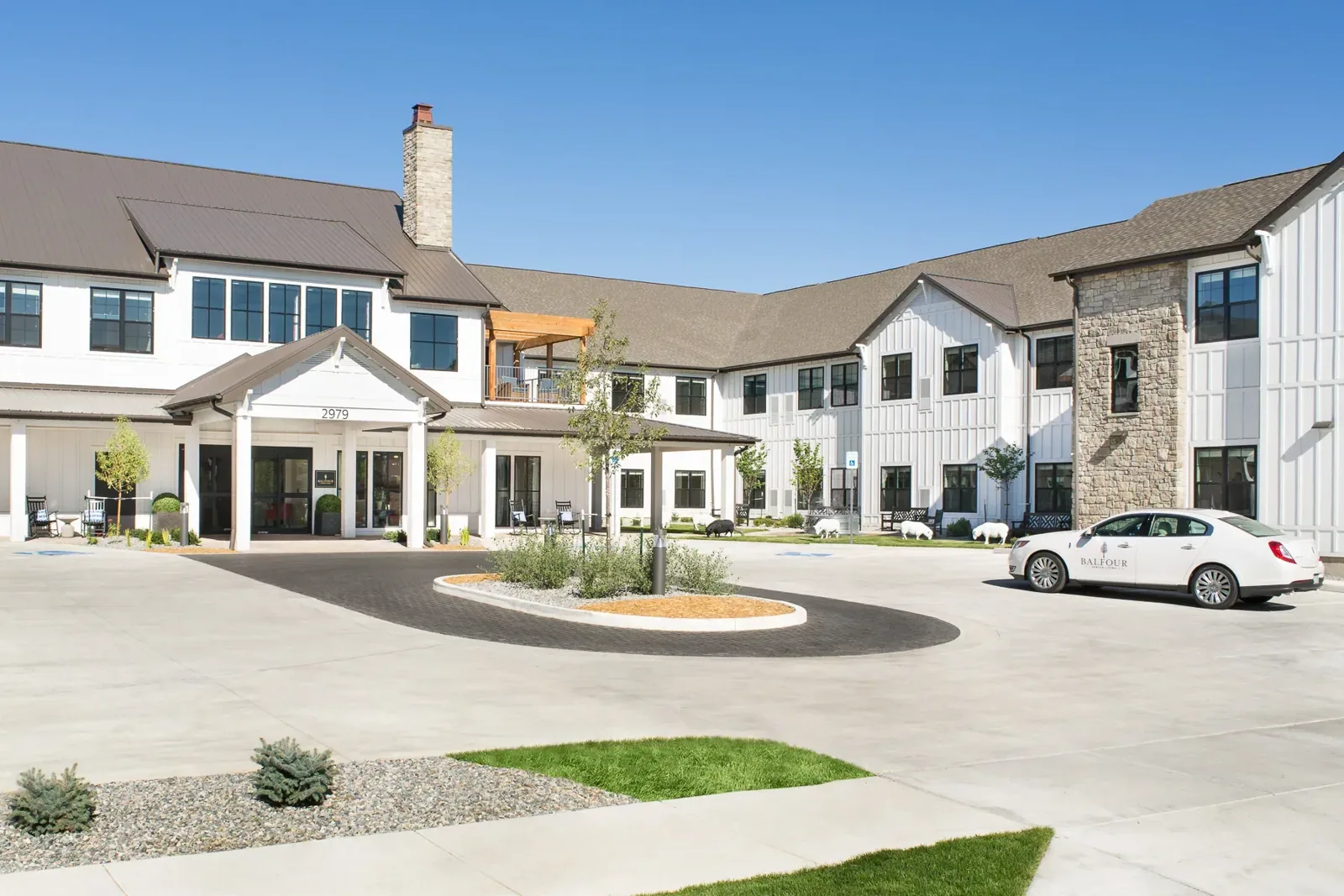
We recommend a scheduled walk before the owner leaves for the summer and another before the building reopens. Each includes a drain and scupper log, photographs of every roof section, and moisture spot checks at known weak points. If a leak was active during the quiet months, the second visit finds it before residents return. For senior-oriented properties, senior living roofing adds access and noise planning around residents.
Agricultural and Storage Buildings
In an irrigated vegetable and citrus area, agricultural buildings are common, and the roof questions on them are practical. Their questions are practical: are the panels tight, are fasteners backing out, and does water leave the roof without soaking the structure? Corroded fasteners and loose trim are the usual first findings.
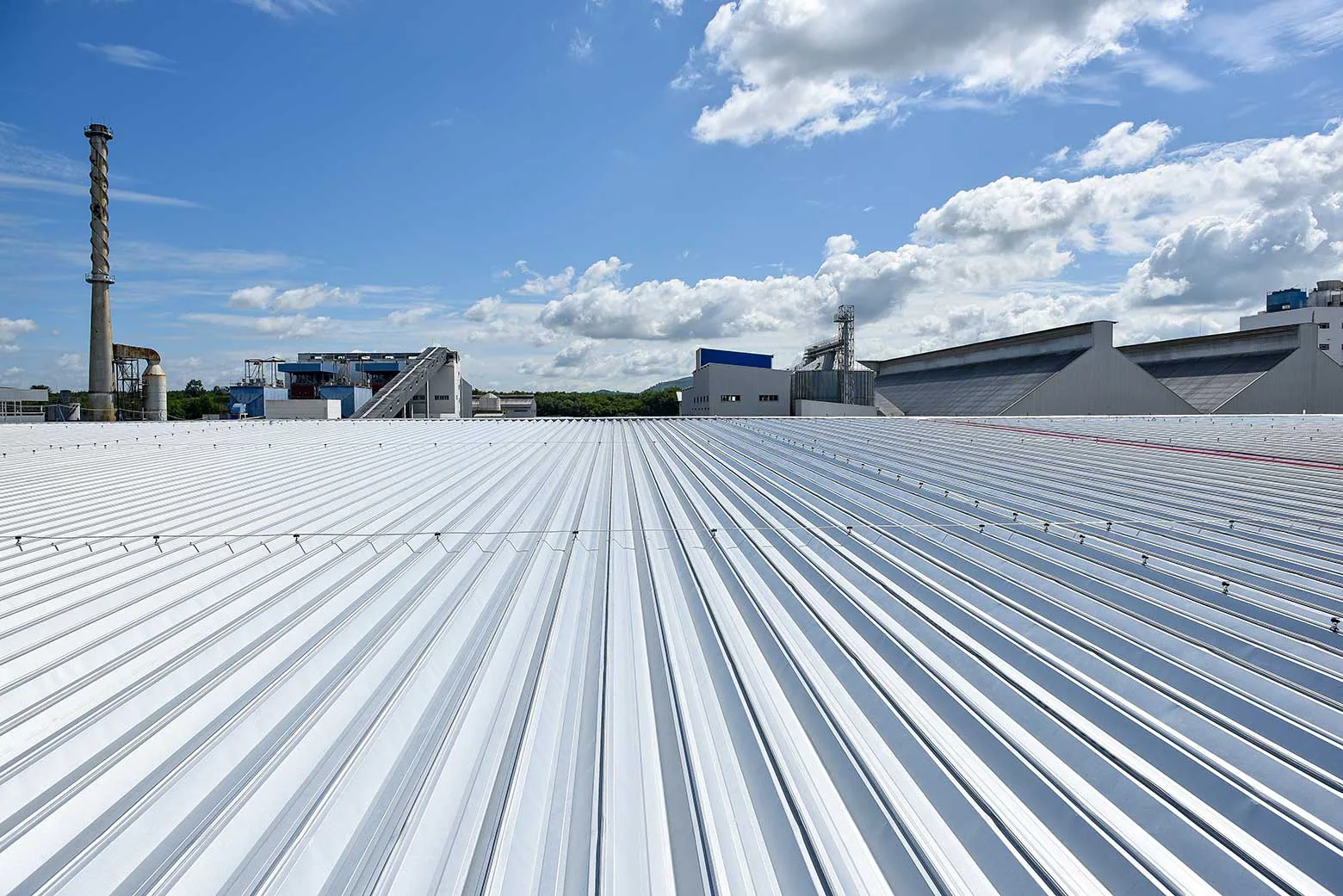
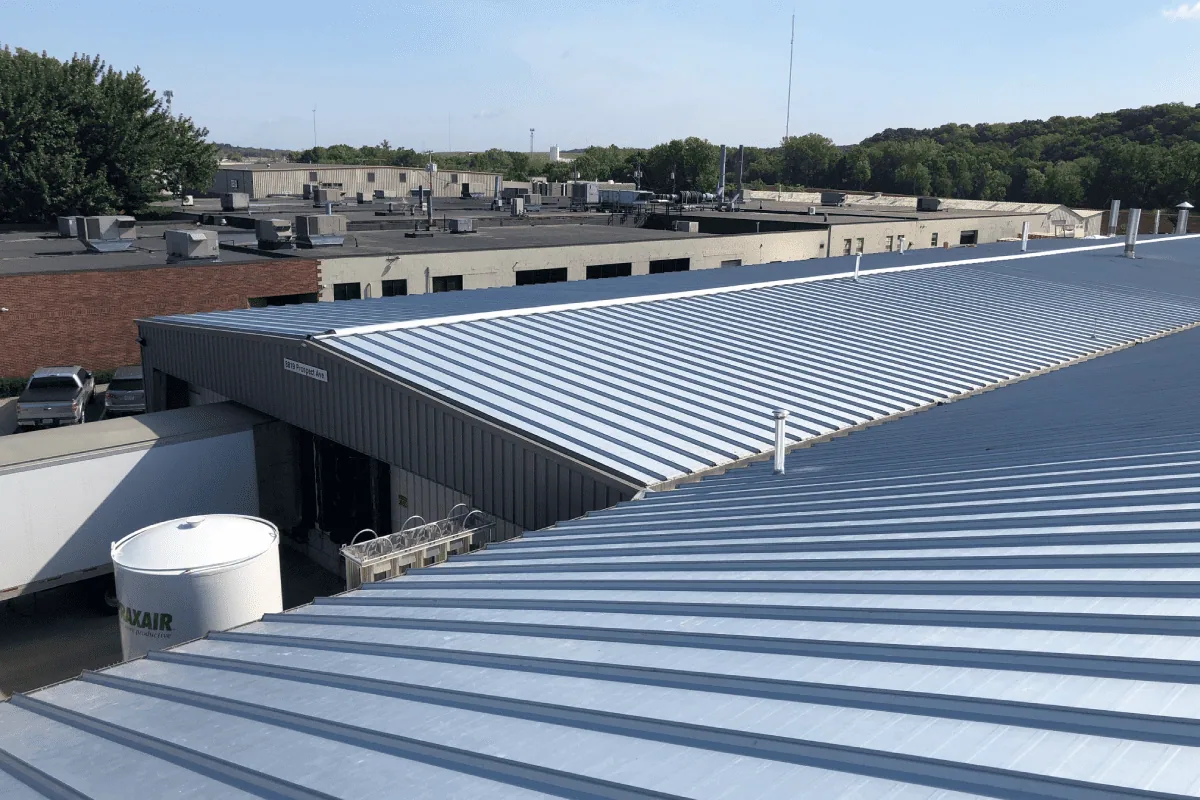
For older metal roofs that are structurally sound but leaking at laps and fasteners, a metal roof retrofit or a coating system can extend service life without full replacement. We test the panels and the substrate before recommending either, since a retrofit over rusted purlins will not hold. Where an owner wants a new roof, standing seam metal offers concealed fasteners and long panels.
Drainage is the other recurring finding. A shed or hall with no gutters can pour roof water along its foundation, and a gutter that is pitched wrong holds water against the fascia. We log where water leaves each roof edge and where it lands, and the scope covers downspout extensions or added scuppers when the discharge point is part of the problem.
Tropical Wind and Water on Alamo Roofs
Tropical weather threatens the Valley from June through October and flooding is a year-round matter, so wind-driven rain and drainage checks apply to roofs across Hidalgo County. When Hanna came through in July 2020, estimated winds ran 60 to 65 mph over Mission and McAllen, and a Mission-area gauge filled to 14.40 inches. Those readings came from Mission, and they show the scale of event the region can see.
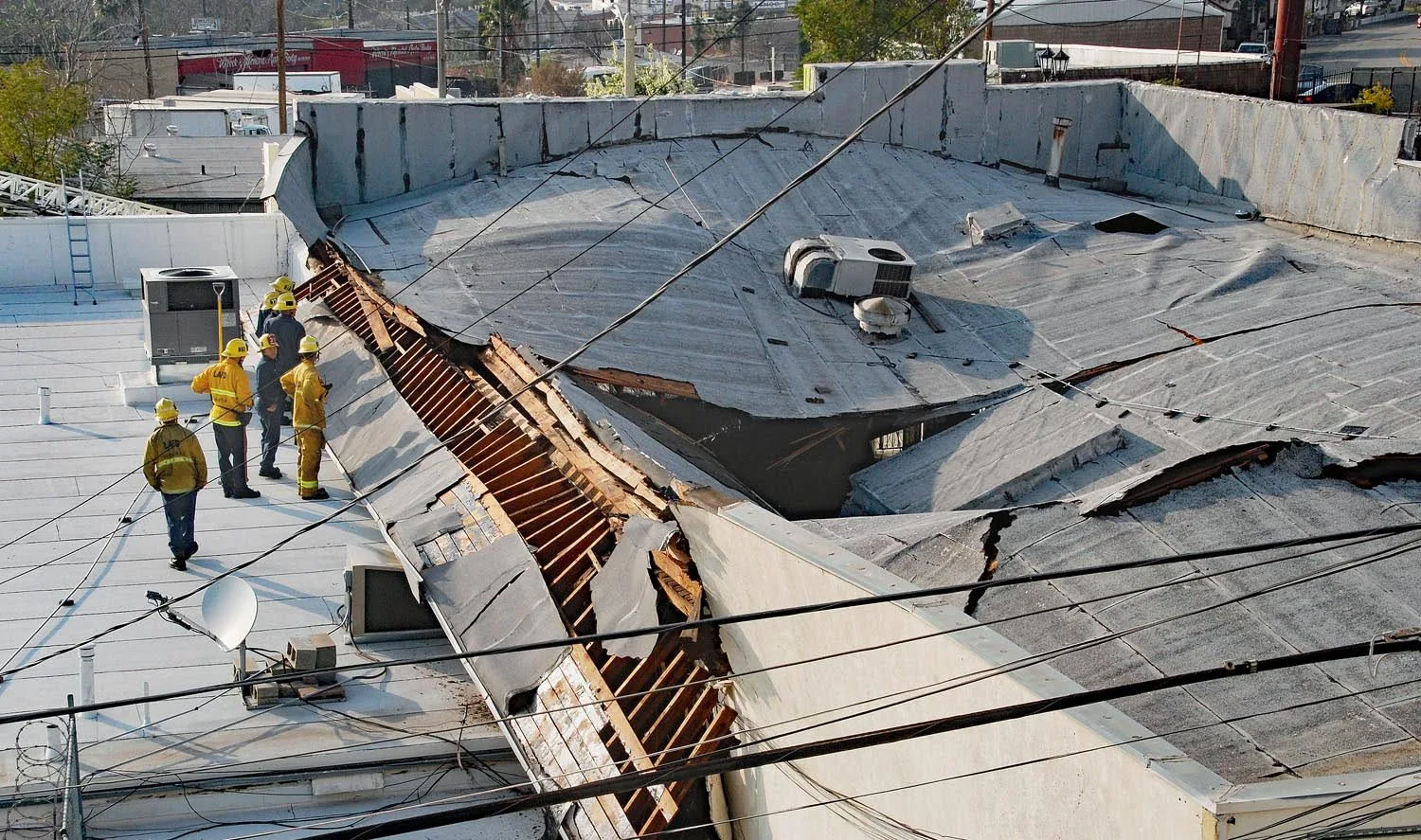
For an Alamo roof the preparation is the same as anywhere in the county: tighten edge metal, clear drains, secure covers on rooftop units, and photograph the roof. After the weather, a wind damage repair walk marks what moved, with comparison photographs where they exist. Light-gauge metal panels get a fastener check along every run.
When Water Is Already Coming In
A leak at a seasonal or agricultural building needs the same quick first step as any other: stop the water and record the damage. Emergency roof repair starts with a temporary dry-in, such as a sealed patch or a secured tarp, followed by photographs that show the condition before and after. Emergency calls are taken around the clock, holidays included.
After the dry-in, we recommend a permanent repair scope with materials matched to the existing roof. On a metal roof that means fasteners with the right washers, sealants rated for movement, and trim replaced where it has corroded. On a low-slope roof, it means membrane patches heat welded or adhered to match the system, and flashing details rebuilt where they failed.
Planning Ahead on an Alamo Roof
Owners get the most out of a roof when they plan on a schedule instead of reacting to leaks. Two visits a year, one before the heat season and one after the tropical season, build a record of the roof's condition. The same record supports budgeting, insurance conversations, and decisions about coating or replacement. A preventive maintenance schedule can be written for a building used all year or for one that is closed part of it.
A manager with buildings in Alamo and in Mission can hold both to the same file format, so the two can be compared. The cost drivers are the same everywhere: roof size, access, the amount of wet insulation, penetrations, and the hours the building can be worked. We list them in the scope so bids can be compared on equal terms.
Questions and Answers
How should a seasonal building be checked before it is closed for summer?
Walk the roof, clear every drain, tighten edge metal, and photograph each section so a stored baseline exists. A moisture spot check at past leak locations adds assurance. Then repeat the same walk before reopening and compare line by line. Any change between the two visits points to what happened while the building was empty.
Can an old metal roof be saved instead of replaced?
Often, if the panels and the purlins underneath are sound. Retrofit and coating systems can address leaking laps and loose fasteners, while corroded structure or perforated panels point to replacement. We test panels, probe fasteners, and report the findings, so the choice is based on what the metal actually shows.
What roof problems are common on agricultural buildings?
Loose panels, backed-out fasteners, corroded trim, and drainage that dumps water against walls. Open spans catch wind, so edge details matter. We start at the perimeter and work inward, photographing each finding and marking it on a sketch. The scope separates quick fixes from larger corrections.
Do you work around residents at senior-oriented properties?
Yes, with a plan. We map the interior under each section, schedule noisy work for hours that suit residents, shield air intakes, and keep walkways and entrances clear. The property manager receives a written schedule, and residents get notice before each phase begins.
How soon can someone reach an Alamo property after a storm?
Emergency calls are answered at any hour. Alamo sits between San Juan and Donna on the freeway corridor, so travel from nearby cities is short. The first visit is a dry-in and a photographic record, followed by a written scope for permanent repair once the roof is dry enough to work on.
Request an Alamo Roof Assessment
Send us the address and the building's use through the year. We will walk the roof, photograph every finding, and give you a written condition summary that supports repair, budgeting, or an insurance conversation.