
Industries We Serve
Roofing for Hotel Owners and Hospitality Groups in Mission, TX
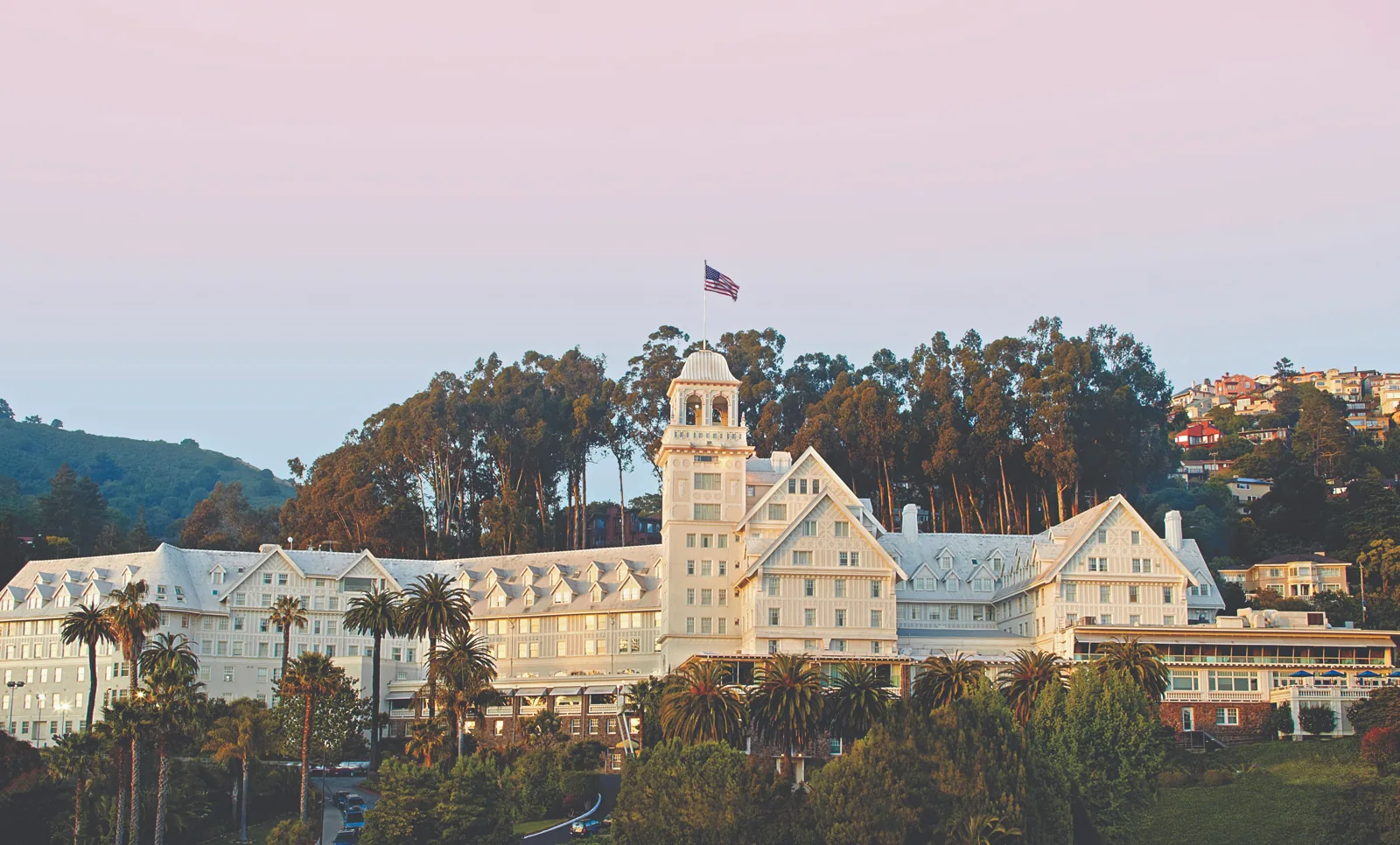
A hotel inspection sheet opens with a room map. Before we photograph a seam, we ask which guest rooms, meeting spaces, kitchens and pool enclosures sit beneath each roof section, so every finding is tied to rooms that earn revenue. A defect over a ballroom is rated against the events calendar, and a defect over a top-floor corridor is rated against the nights it could take rooms out of service.
Hotel owners and hospitality groups in Mission, TX run properties where a leak is a guest-facing event. A hotel's roof record lists each finding with tagged photographs, a moisture map and a drain log, while the scope lines respect occupancy, events and the Valley's winter visitor season.

Findings Over Rooms, Ballrooms and Pools
Hotel roofs combine a main low-slope field with smaller roofs over entries, stair towers, pool enclosures, kitchens and mechanical rooms. Water enters at the joints between them. The usual findings are open flashing at wall tie-ins, cracked sealant at curbs, clogged drains behind parapets and lifted edge metal.
Every finding carries a dated photograph, a section tag and a rating that names the rooms beneath it. Pool and spa enclosures receive extra attention, since humid air moving toward a cold deck leaves condensation, stained insulation and corroded fasteners that can look like a roof leak.
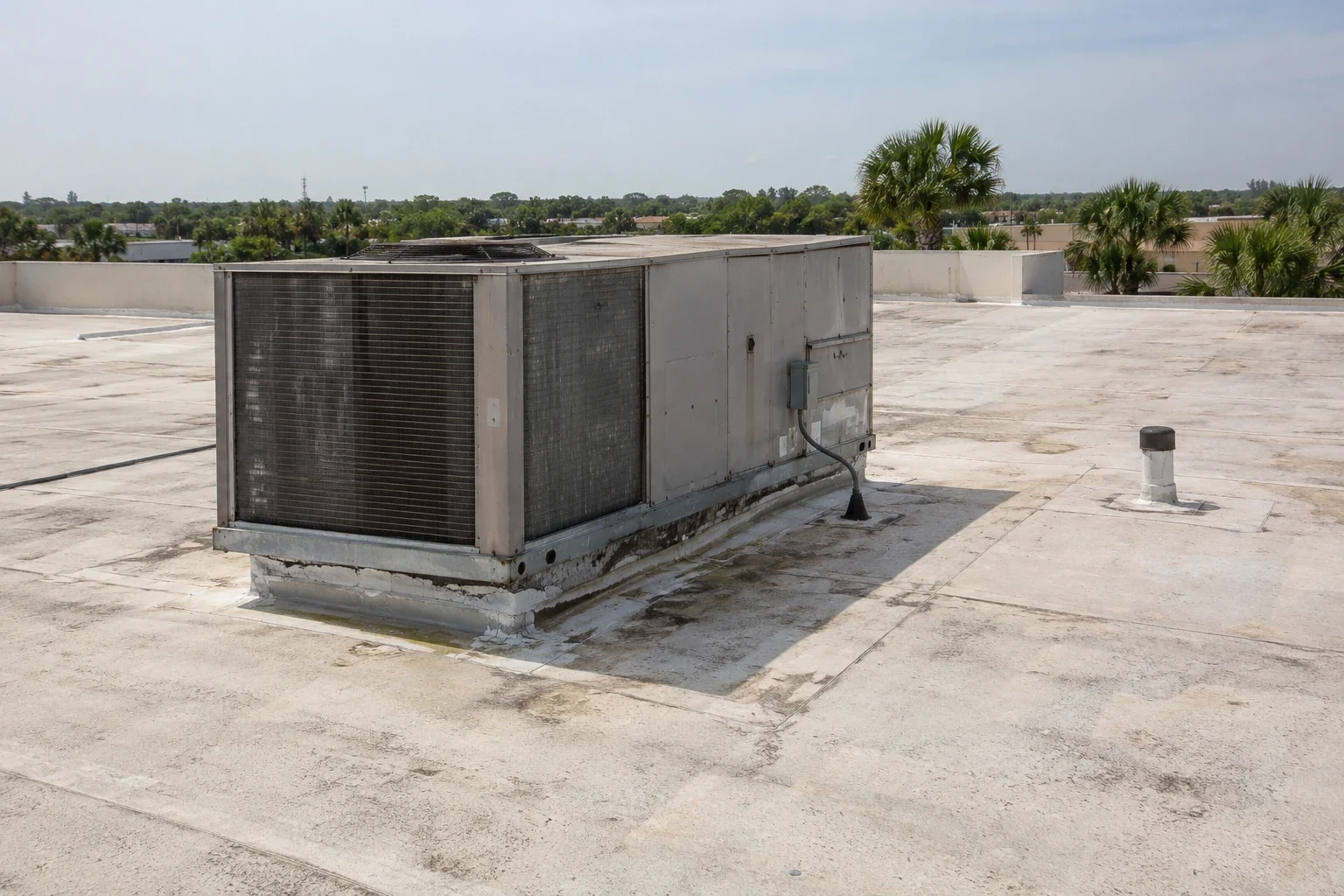
Kitchens and laundries add exhaust and moisture. A laundry vent near a membrane edge or a kitchen fan over a banquet hall gets its own entry with the stain pattern photographed, because those penetrations see the heaviest duty on the roof.
Skylights and atrium glazing are rated individually. A failed seal at a lobby skylight is visible to every arriving guest, so each is photographed from the roof and from the floor.
The Owner's File for a Hotel
The record is a table by roof section, listing the rooms below, system type, approximate age, rating, driving finding and recommended action. Behind it sit the photograph set, the rooftop sketch with moisture readings and the drain and scupper log. An owner or an asset manager can compare properties on one scale, and an investor reads the same table.
Housekeeping and engineering notes are added with dates and room numbers, so the interior pattern lines up with the roof plan. A dated stain report from a front desk often saves a search, and the record makes it part of the file.
Access is part of the record: hatch location, ladder type and key holder. The overnight engineer should be able to find the roof key in a minute, since an after-hours leak does not wait for a morning call.
Scope Lines That Respect Occupancy
A scope line lists the finding, the area wet according to the moisture map and the option. It also names the occupancy constraint: rooms held out of inventory, quiet hours for guests, event dates to avoid and the pool areas that must stay clear. Noisy tear-off is limited to hours the general manager chooses.
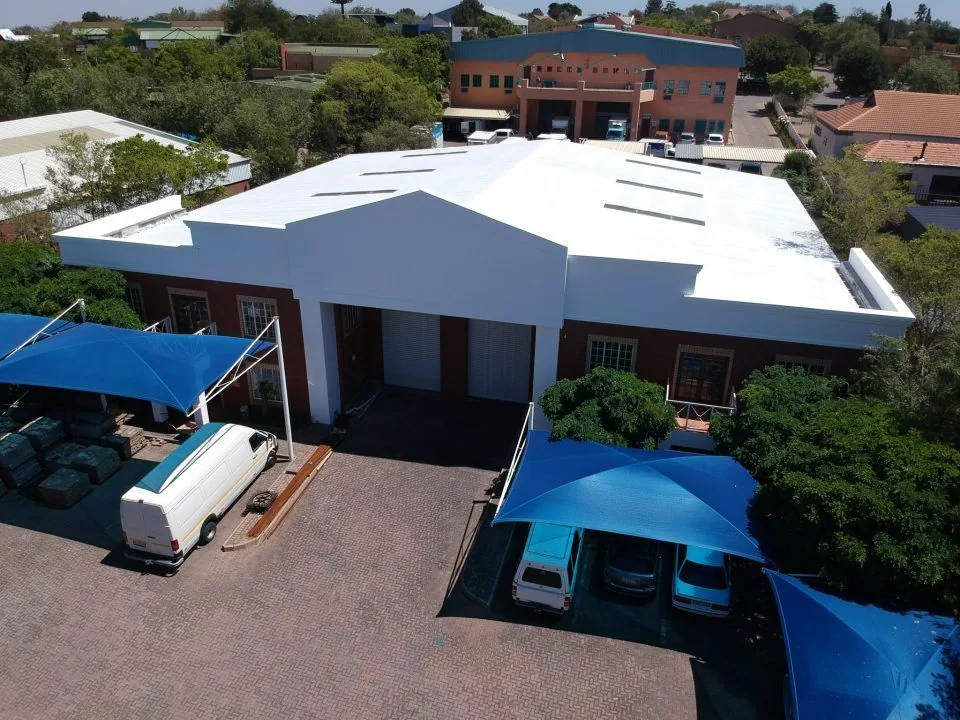
Phasing keeps the number of affected rooms small. Staging and hoisting stay away from the lobby and the porte-cochere, walkways stay open and debris leaves by a route guests do not use. A cool roof option is priced next to the standard one, which shows the owner the difference in cooling load.
Warranty status is listed first. A maker's warranty in force means a notice step and an approved repair list, checked before any bid request because the wrong product can end coverage.
Delivery routes and crane positions avoid guest arrival areas, and the scope lists any permit or fire watch requirement before the crew mobilizes. Weather holds are logged with what was protected overnight.
A Pre-Storm Baseline for Guest Safety
Tropical weather visits the Valley from June to October and flood readiness continues year round. In spring the baseline records edge metal, fasteners, drains and scuppers on dry roofs, and a sample pull of perimeter fasteners shows the holding power left. It also lists rooftop items that wind could move.
A property with a baseline can plan for a named storm with facts. If a system approaches, the manager knows which sections have the least margin, which equipment to secure and which areas to protect, and the owner knows what the roof looked like before the weather arrived.
Heat belongs in the baseline too. Dark membranes over top-floor rooms age through May to October, which the Brownsville weather office counts as the Valley's heat-safety season. Coating film and sealant elasticity are logged each spring.
Post-Storm Comparison for Reopening and Claims
Following a named storm, the sections are walked again and photographed from the positions used in the baseline. In July 2020 winds from Hanna, estimated at 60 to 65 mph along I-2, hurt hundreds of poorly built Valley structures at the roof, and outages reached up to half of county customers. A hotel needs a dry roof when power is uncertain.
The comparison lists new findings by wing, the rooms they affect and the protection needed. It supports a reopening decision and an insurance claim, and each entry carries a date and a photograph. Interior photographs of stained ceilings and wet carpet are matched to the roof section above.
Gutters, canopy drains and pool-deck drains are logged with the roof drains. A canopy that overflowed during heavy rain wets an entry, and the log shows which outlets held and which did not.
Options, Recommendation and Seasonal Scheduling
Each section carries the options of repair, coating, section replacement and replacement, with the favoring finding named. Work is scheduled in the gaps between events and ahead of renovations. The Valley's winter visitor season is busy, so large projects are placed in the summer and shoulder months when rooms are easier to hold.
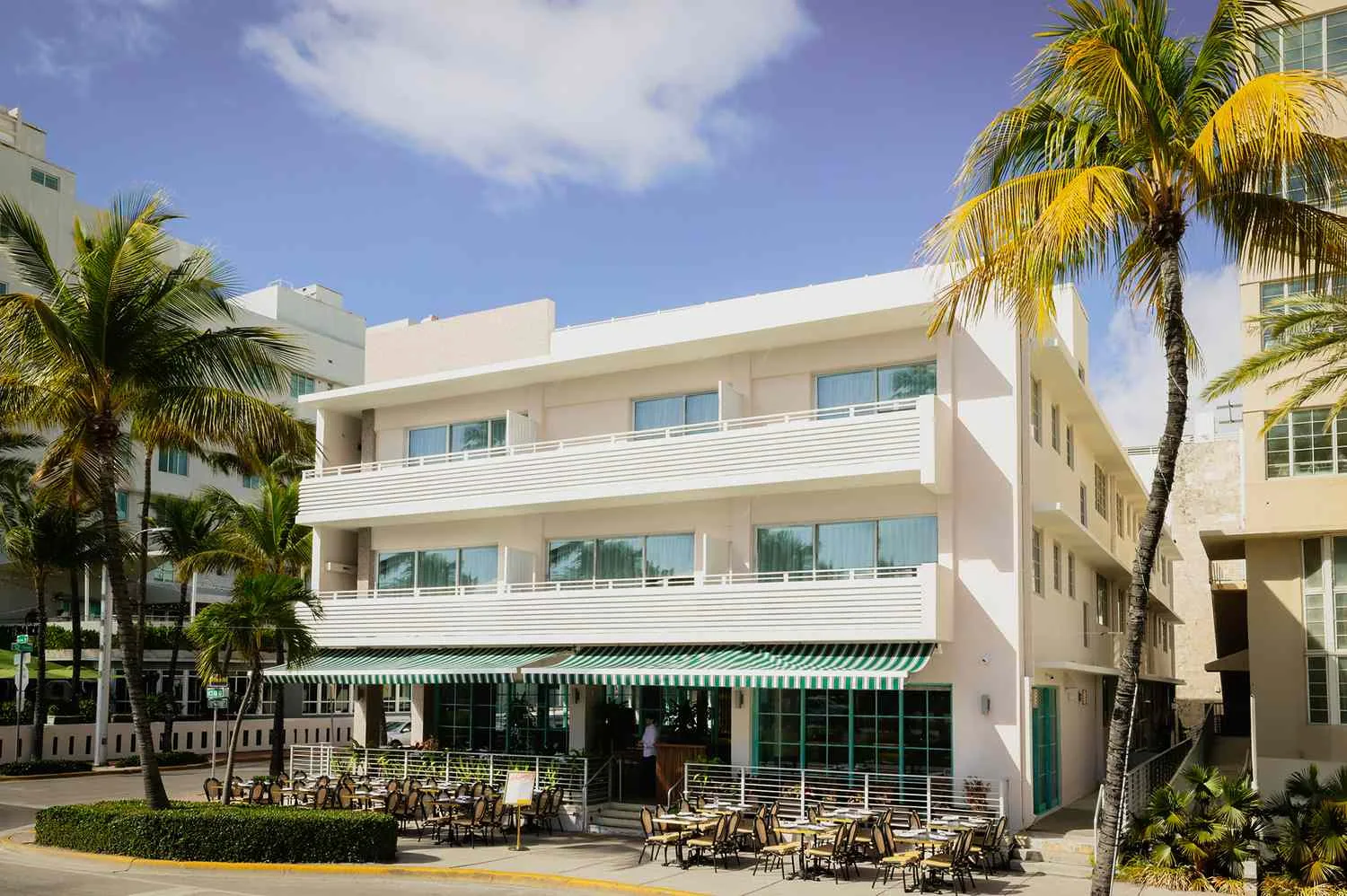
Seasonal occupancy is part of local planning: Winter Texan courts for trailers and motor homes numbered about 74 in Mission by the 1980s, and Alamo is still a noted winter resort and retirement town. The same file format covers a hotel, a restaurant on the property and a venue in San Juan or Mission, and restaurant brands use the same sheet.
For the chief engineer, a short list of habits closes the recommendation: clear drains each season, keep rooftop access limited and date every new stain with its room number. Those habits keep the next inspection short.
Questions and Answers
How should a hotel schedule roof work around the winter season?
Place large projects in summer and shoulder months and keep winter for repairs. We recommend marking events and group blocks on the calendar first, then fitting the scope between them.
Which rooms are affected during a reroof?
Only those under the active section, and only while that section is open. We recommend phasing so the same few rooms are affected at a time, with the general manager deciding.
Why do pool enclosure roofs deserve extra checks?
Humidity, chemical vapor and mixed materials at the wall stress flashing and sealants. We recommend checking the deck underside for condensation and logging each flashing separately.
What does a pre-storm baseline give a hotel?
A dated reference for every roof and a list of items to secure. Take it each spring and file it with the engineering records.
Can a hotel use the file in an insurance claim?
Yes. We recommend including before and after photographs, the room references and the scope lines, in the order the work happened.
What belongs in the hotel's roof file?
The section table, the tagged photographs, the sketch, the drain log, the warranty papers and the latest condition summary. We recommend adding housekeeping stain reports with dates.


Request a Documented Inspection
Ask for a documented inspection of your property. The written condition summary will include tagged photographs, a room-mapped sketch with moisture readings, a drain and scupper log and scope lines you can reuse for budgeting or an insurance conversation.