
Service Areas
Commercial Roofing in San Juan, TX
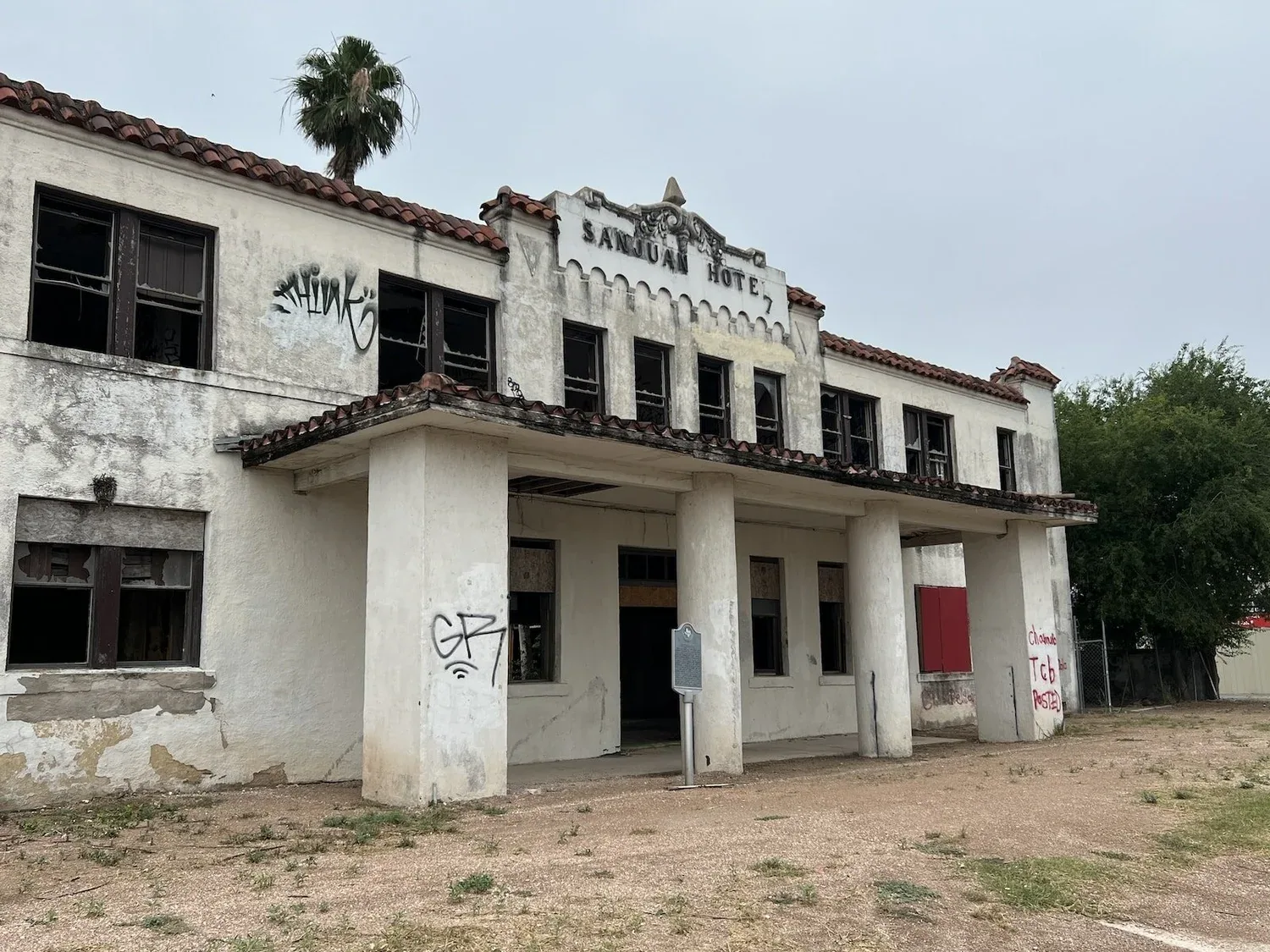
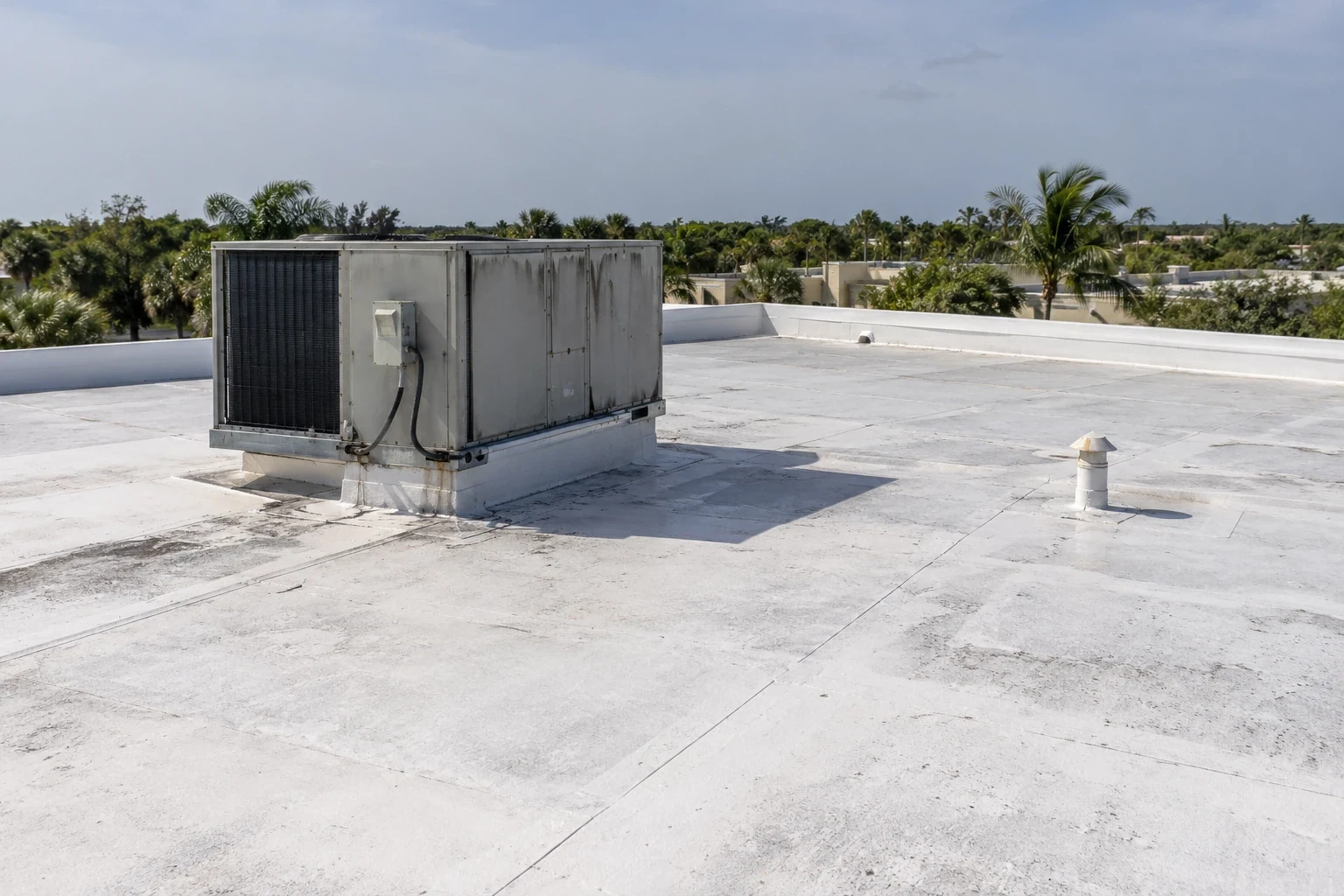
A first walk on a commercial roof in San Juan, TX produces the same opening entries as anywhere in the Rio Grande Valley: a dated photograph of the perimeter, a count of drains, and a note on how the sealant sits against its metal. San Juan counted 35,294 residents in 2020, and a large shrine draws visitors to the city from well beyond it. A roof over a public-facing building has little tolerance for a leak, so the walk records what is actually found, finding by finding, and the owner decides what to do with it.
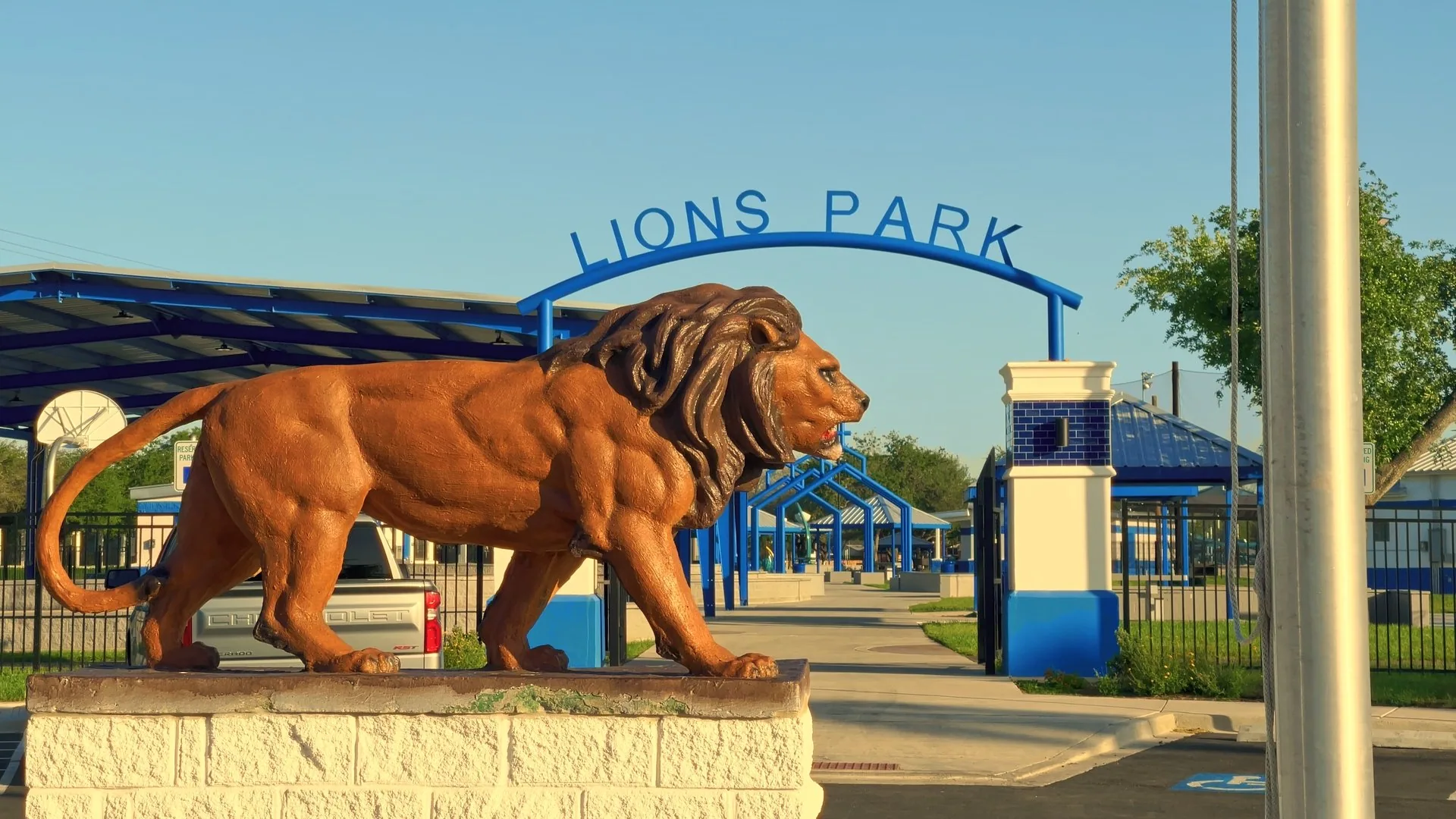
Where San Juan Sits and Why It Matters to a Roof
San Juan lies about 5 miles east of McAllen and 8 miles south of Edinburg, with Pharr to its west and Alamo to its east. The city center is south of I-2 / US 83 and east of US 281, so buildings in town sit close to two of the Valley's main routes. For an owner it means neighboring Pharr, Alamo, and McAllen sit under the same weather, and a storm that touches one property often touches the others, so inspections can be planned as one route.
Roof work in the area is shaped less by geography than by climate. Heat, tropical rain, and the occasional strong gust are common across the region, and the record we keep for each San Juan building tracks how it responded to each.
Heat Season Wear on Membranes and Coatings
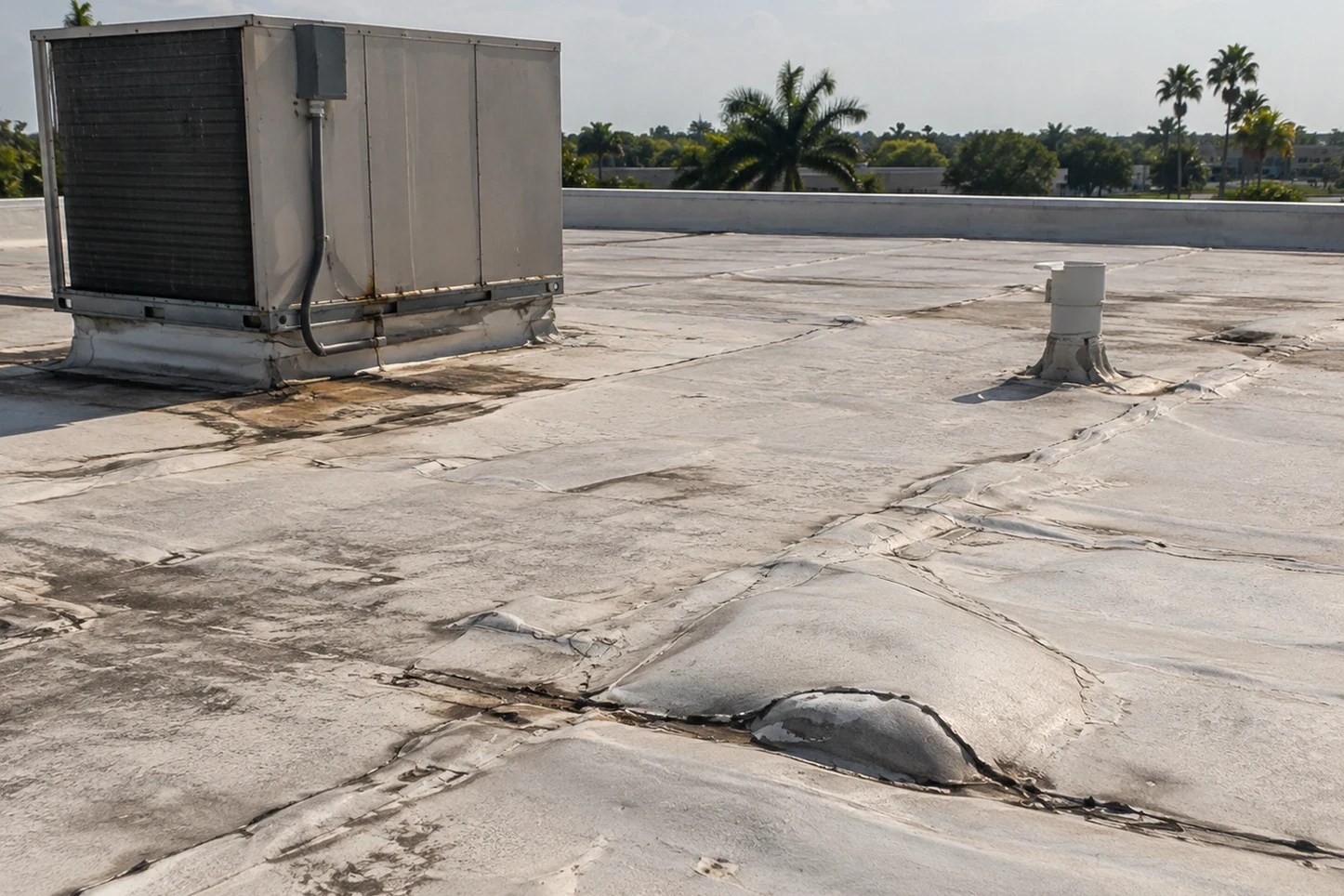
May through October is the Valley's heat-safety season, and a San Juan roof carries that solar and heat load on its membranes, seams, and coatings for months. The load shows up in familiar ways: thermoplastic seams that creep, sealants that dry and pull away, and coatings that chalk and thin over traffic paths.
We read these conditions with a gloved hand and a camera. A seam edge that has lifted is photographed with a scale reference. A coating that has worn through gets a patch of bare substrate marked on the sketch. Over several seasons, the sequence of photographs shows the pace of aging, which lets an owner choose between coating restoration and replacement with real evidence in hand. Reflective surfaces and a heat damage repair plan are the usual early moves.
Buildings That Draw Visitors
The Basilica of the National Shrine of Our Lady of San Juan del Valle, one of the largest churches in South Texas, brings visitor traffic to the city. Visitor traffic puts weight on any building that serves the public nearby. A roof leak over a space that receives visitors is more than a maintenance issue, since a dripping ceiling during a busy period lands on the people and the business below.
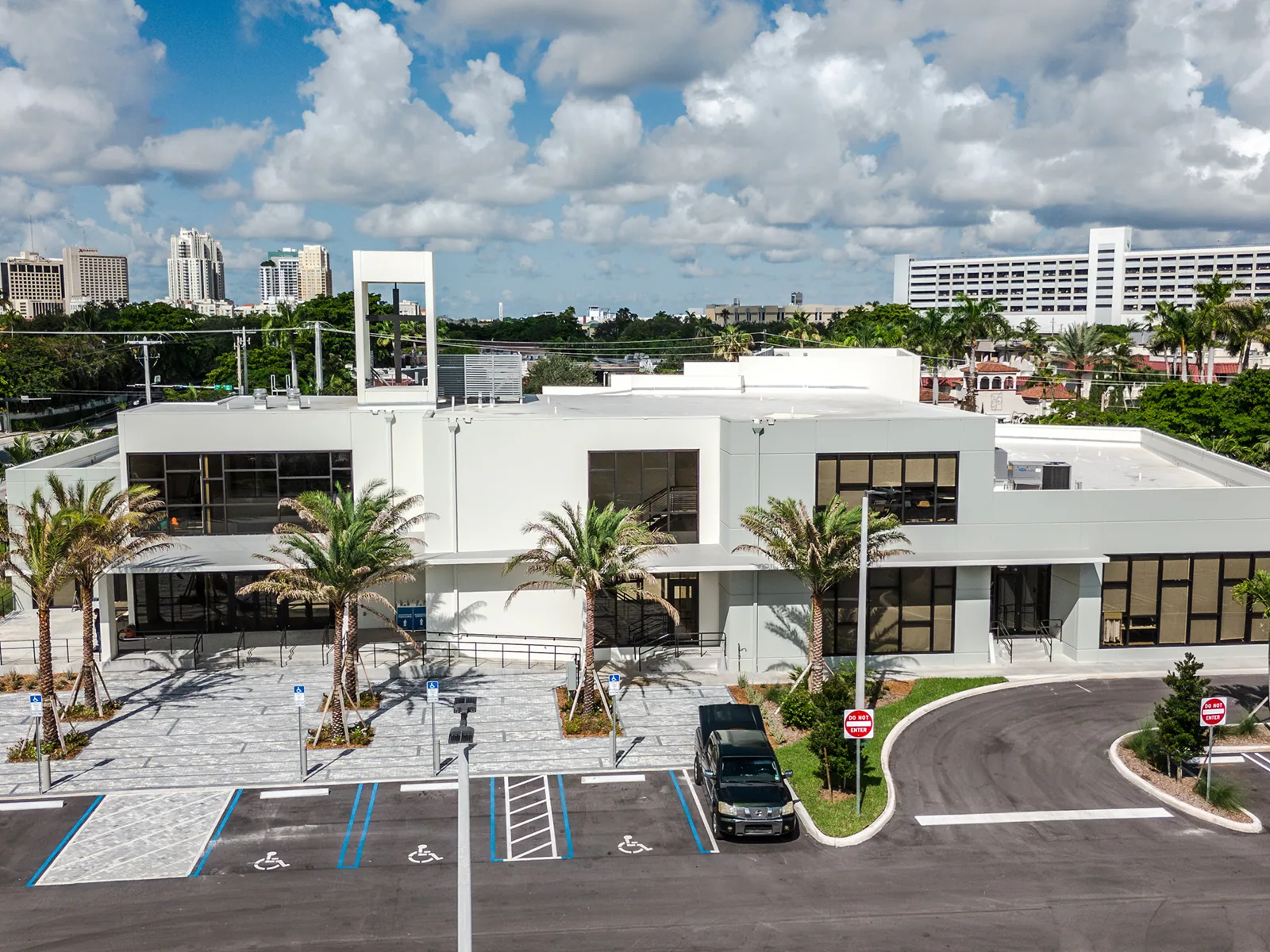
For churches and other assembly buildings the roof questions are specific. Sanctuaries often have tall interior volumes and complex rooflines, with valleys, parapets, and tower bases where water collects. We check those transitions first. A church roof also tends to have limited access windows, so work is planned around services and events. Where a restaurant or shop occupies a building, the roof questions shift to rooftop kitchen exhaust, grease control, and equipment placement.
Tropical Season Readiness
Tropical weather is a concern from June through October, and flooding can arrive at any time of year. Hanna's estimated winds reached 60 to 65 mph over Mission and McAllen in July 2020, and a Mission-area gauge logged about 14.40 inches. I-2 / US 83 runs past San Juan, and a San Juan roof is prepared the same way for the same kind of event.
Pre-storm work is plain: tighten loose edge metal, clear every drain and scupper, secure rooftop equipment covers, and take dated photographs of the roof so a post-storm comparison is possible. After a wind and rain event, we repeat the walk and mark what moved. The sequence in storm damage roof repair starts with water entry and ends with a scope line for permanent work.
Repair, Coating, Recover, or Replace
The owner's choice usually comes down to what the moisture map shows. A roof with dry insulation and an intact membrane is a candidate for repair or coating, which keep cost and disruption low. A roof with wet insulation in a few areas can be patched and monitored. A roof with widespread moisture, repeated failures, or a surface that no longer bonds is better served by a recover or replacement.
Timing and cost track the same drivers on any building: roof size, penetration count, the volume of wet insulation to remove, how lifts and materials reach the roof, and the hours tenants can tolerate. We list each driver in the written scope so two bids can be compared on equal terms. An infrared moisture survey before the decision usually pays for itself by right-sizing the work.
Keeping a San Juan Roof on Record
A one-time inspection is useful. A series of them is better. We recommend two scheduled visits each year, one ahead of the heat season and one once the tropical season has passed, with a short pass before any forecast storm. Each visit adds to the owner's file: photographs from the same positions, a drain and scupper log, and notes on any changes since the last time.
The file is what turns an old roof into a manageable asset. A manager with buildings in San Juan and neighboring cities can compare them directly and spend on the weakest first. It also helps in any conversation with an insurer, because dated images from before a storm show what the roof looked like when the weather arrived. The details of a preventive maintenance routine can be set to the building's use.
Questions and Answers
What does a first roof walk at a San Juan building include?
The inspector photographs every roof section from set positions, counts and logs drains and scuppers, probes sealants and flashing terminations, and marks open seams on a rooftop sketch. Moisture readings follow where water is suspected. The owner receives a condition summary with the photographs and a ranked list of findings.
How should a church or assembly building plan roof work?
Start with access. Services, funerals, and seasonal events set the windows in which crews can work, and noisy tear-off has to avoid them. We map the interior below each roof section, schedule work in phases, and protect sensitive areas. Tall sanctuary roofs often call for specialty access equipment, which is included in the scope.
Is it worth coating a roof in this heat?
On a roof with dry insulation and a sound membrane, a reflective coating can lower the surface temperature and slow aging. On a roof with trapped moisture it only hides the problem. Cores and a moisture map settle the question before a product is chosen, and the results go into the written scope.
How is a first response to San Juan organized?
San Juan is 5 miles east of McAllen and borders Pharr and Alamo. Emergency calls are taken around the clock, and the crew dispatches by exposure, with a dry-in and a photographic record first and a scope line for permanent repair after.
What records come with a roof repair?
Before-and-after photographs, a sketch marking the repair boundary, any moisture readings, and a note on the materials used. If the repair is related to a storm, those items double as claim support. We keep a copy in the owner's file so the history of a roof is available at the next visit.

Schedule a San Juan Roof Inspection
Send us the building address and tell us what you have seen. We will walk the roof, photograph each finding, and give you a written condition summary that can be used for repair planning, budgeting, or an insurance conversation.