
Industries We Serve
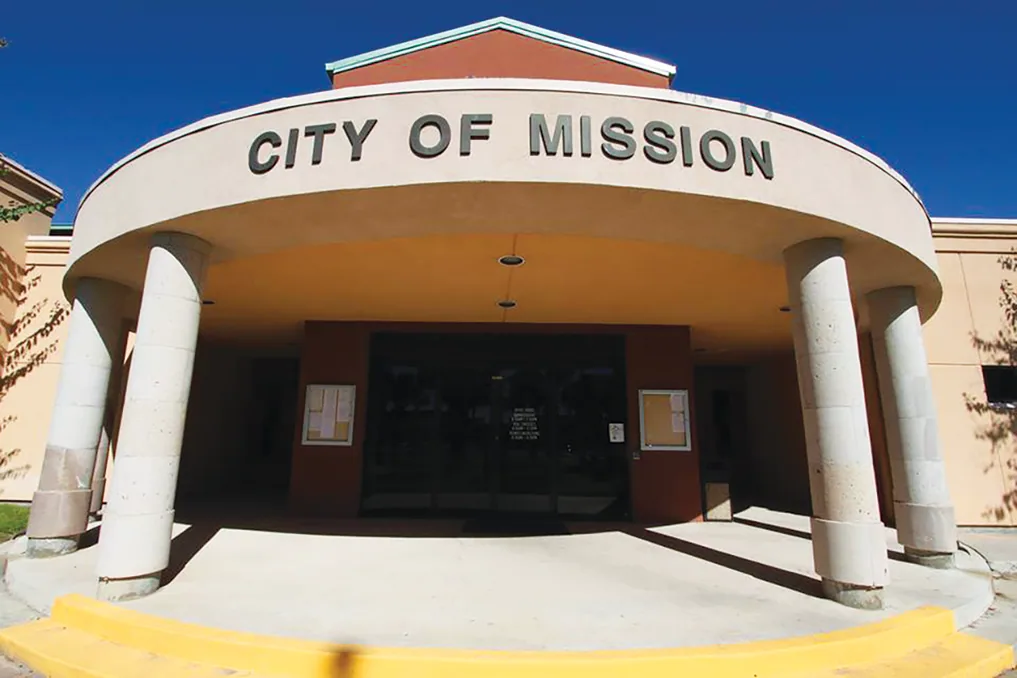
Roofing for Retail and Restaurant Chains in Mission, TX
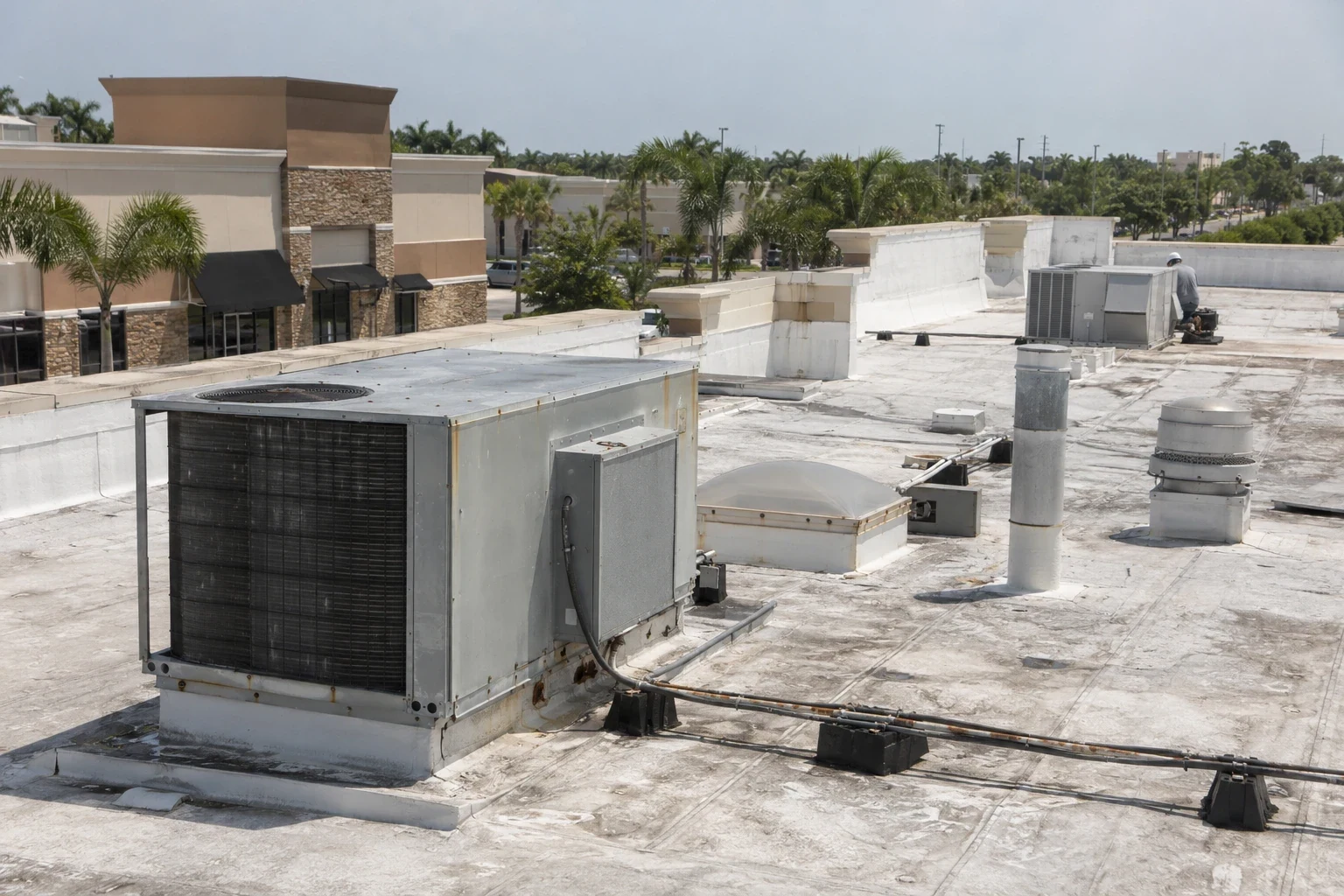
A chain's roof program opens with a store list and a single rating scale. The list names every location in the region, the building type, the roof type and the date of the last dated photograph. The scale means a roof rated three at a freestanding restaurant and a roof rated three in a strip center are described by the same words, and a regional facilities lead can rank them without translating.
Retail and restaurant brands with locations in Mission, TX deal with stores that cannot close for a roof. Store records advance one finding at a time. Each carries tagged photographs, a rooftop sketch and a drain log, and the scope lines avoid trading hours and holiday weeks.
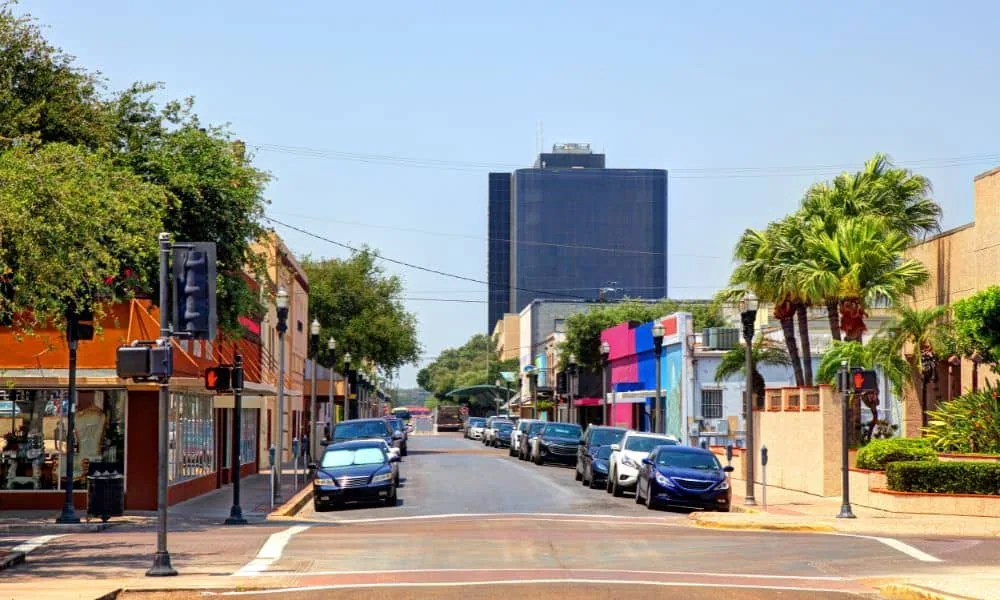
Store-Level Findings
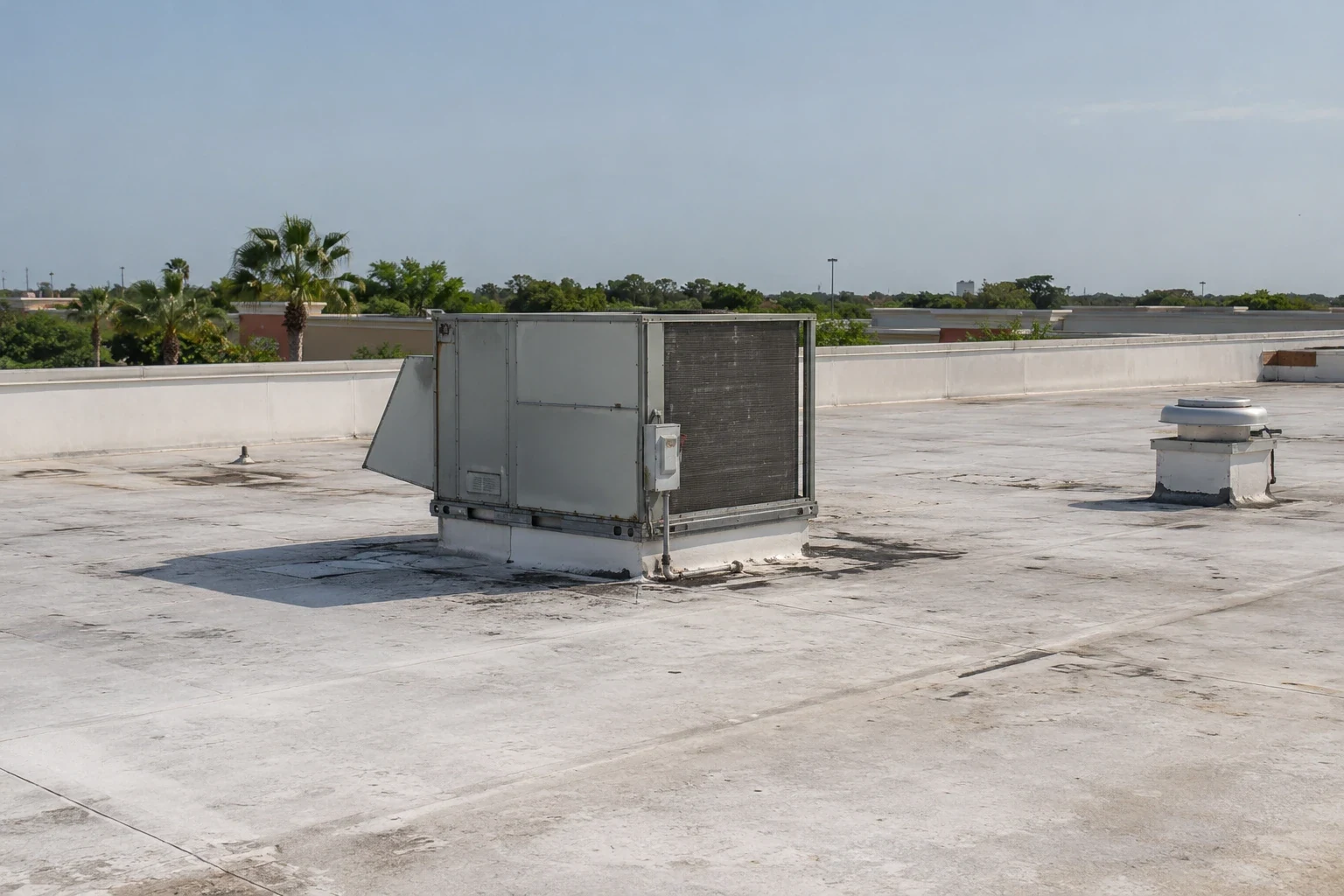
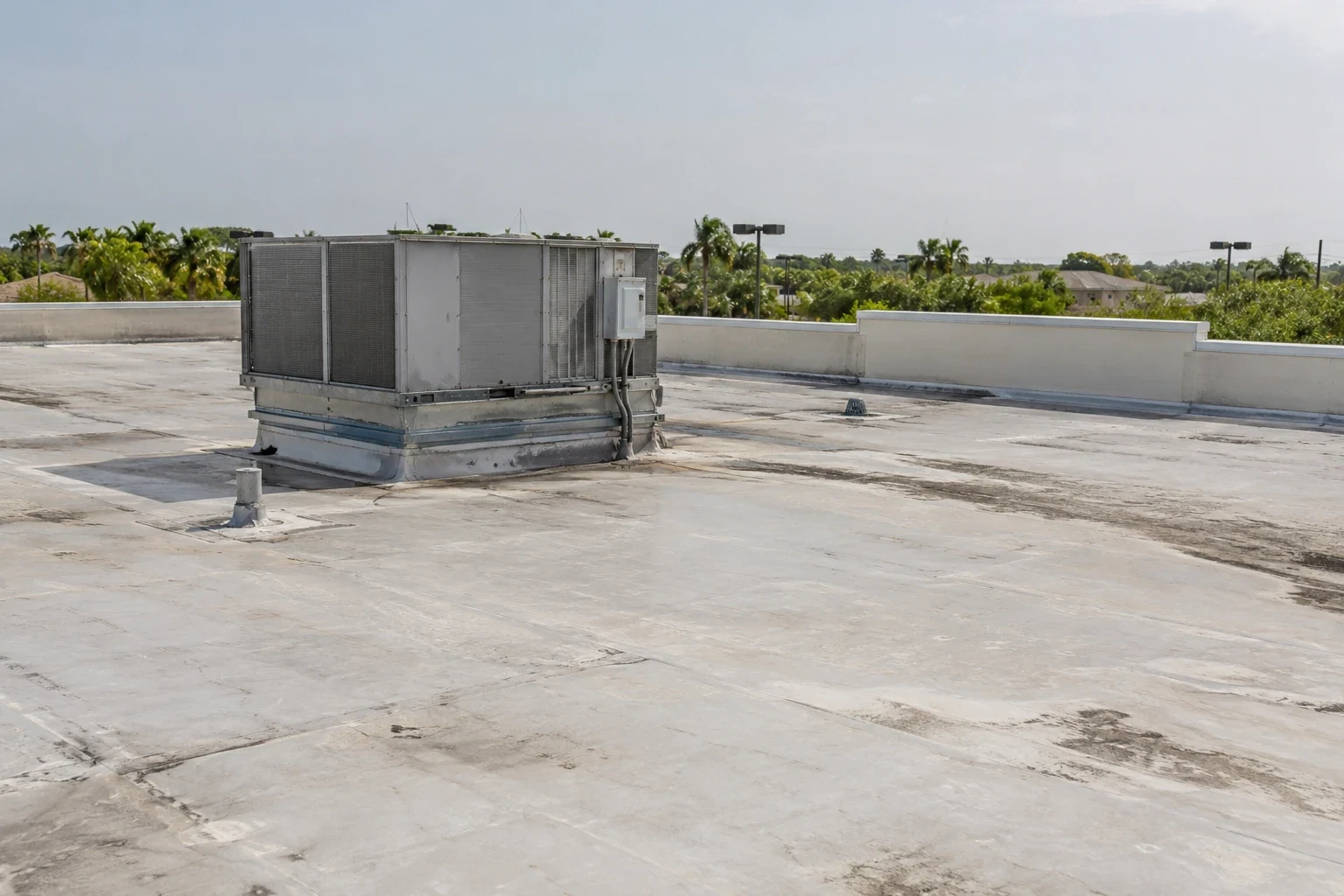
Store roofs show a short list of repeat findings. Rooftop units on thin curbs with dried sealant. Ponding behind parapets where scuppers sit above the low point. Open laps near edges. Patches stacked in one corner. Restaurants add grease from kitchen exhaust, which stains and softens membrane around the fan.
A finding enters the log with a dated photograph, a section tag and a rating. Each rating carries a note on what sits below it, whether a stockroom, a sales floor, a kitchen line or a dining room. A leak over a food-prep area is ranked above the same leak over a hallway, and the summary explains why in plain terms.
Drive-through canopies and entry vestibules get their own lines. They are small roofs with outsized traffic beneath them, and a split seam over a queue lane becomes a customer complaint before it becomes a work order.
Roof access is recorded for each store too: hatch location, ladder type and key holder. A technician who arrives on a Saturday should not need three phone calls to reach the deck.
One Format Across Every Location
Chains need comparability. The record uses the same fields at every store: section, system type, approximate age, rating, driving finding, drain status and recommended action. When the regional team opens two stores side by side, the columns match.
A file for each store holds tagged deck photographs, a sketch with moisture readings, the drain and scupper log and the condition summary. If a store changes landlords or a manager moves on, the file stays and the next person begins with facts, not a hunt through service tickets.
Interior photographs join the roof set when the manager can supply them. Beside the roof section go a stained tile, its location and its date, which keeps a talk with the landlord specific and brief.
Scope Lines That Keep Stores Trading
Every scope line names a finding, the wet area it covers and the option. It also names the store's constraints: trading hours, delivery windows, holiday freezes and the location of drive-through lanes and fire lanes. Work over a dining room is placed outside the lunch peak, and work over a sales floor is placed outside the weekend rush.
Restaurant lines add the kitchen exhaust: which fans shut down, for how long and who confirms the restart. A restaurant roof line lists protective pads at fans and the cleaning schedule that keeps grease off the membrane.
Warranty status and landlord approval are listed first. Where a warranty is in force there is a notice to give and a list of approved repairs, and a landlord's approval takes time, so the schedule counts both before a crew is booked.
Deliveries matter as much as customers. A receiving schedule decides which mornings a lift or hoist can stand at the back door, and the line states the hours agreed with the manager. Drive-through lanes and curbside pickup stalls are treated like fire lanes during open hours.
A Pre-Storm Baseline Across the Region
Valley stores share one tropical season, which the National Weather Service in Brownsville puts at June through October, and one flood calendar that never lapses. A baseline taken in spring across every location records edge metal, fasteners, seams, drains and scuppers while roofs are dry. A pull sample from perimeter fasteners shows the holding power left.
The baseline lets a regional lead rank stores by margin before a storm. The weakest roofs get the first call, drains are checked and loose items such as signs and rooftop covers are secured. The list names the person responsible for each store.
Heat is part of the baseline. The Valley's heat-safety season runs from May through October, and dark membranes over kitchens and stockrooms age under it. Coating film and sealant elasticity are logged each spring so that aging is measured.
Gutters and downspouts at the rear of stores are logged with drains. A downspout that discharges at a door during heavy rain floods a back room, so the log records where each one ends.
Post-Storm Comparison and Reopening
When a named storm has passed, each section is walked again and photographed from the baseline positions. Roof damage dominated Hanna's toll on hundreds of poorly built Valley structures in July 2020, with I-2 winds near 60 to 65 mph, while Dolly in 2008 lifted older roofs around Weslaco. Edges, canopies and parapets are the first details to move.
The comparison gives the lead a list of stores that are dry, stores that need protection and stores with new findings. It supports reopening decisions and insurance claims, and each entry carries a date and a photograph.
Interior photographs complete the set. A wet floor, a stained ceiling tile or a damp wall is matched to the roof section above, so the repair goes to the opening and not only to the stain.
Options, Recommendation and Program Planning
Store by store, the summary offers repair, coating, section replacement and replacement, each tied to the finding that favors it. A program view orders the stores by condition and consequence, spreads the work across quarters and avoids holiday blackout weeks. Heat weighs on the choice: the Valley's heat-safety season runs May through October and reflective surfaces ease cooling load.
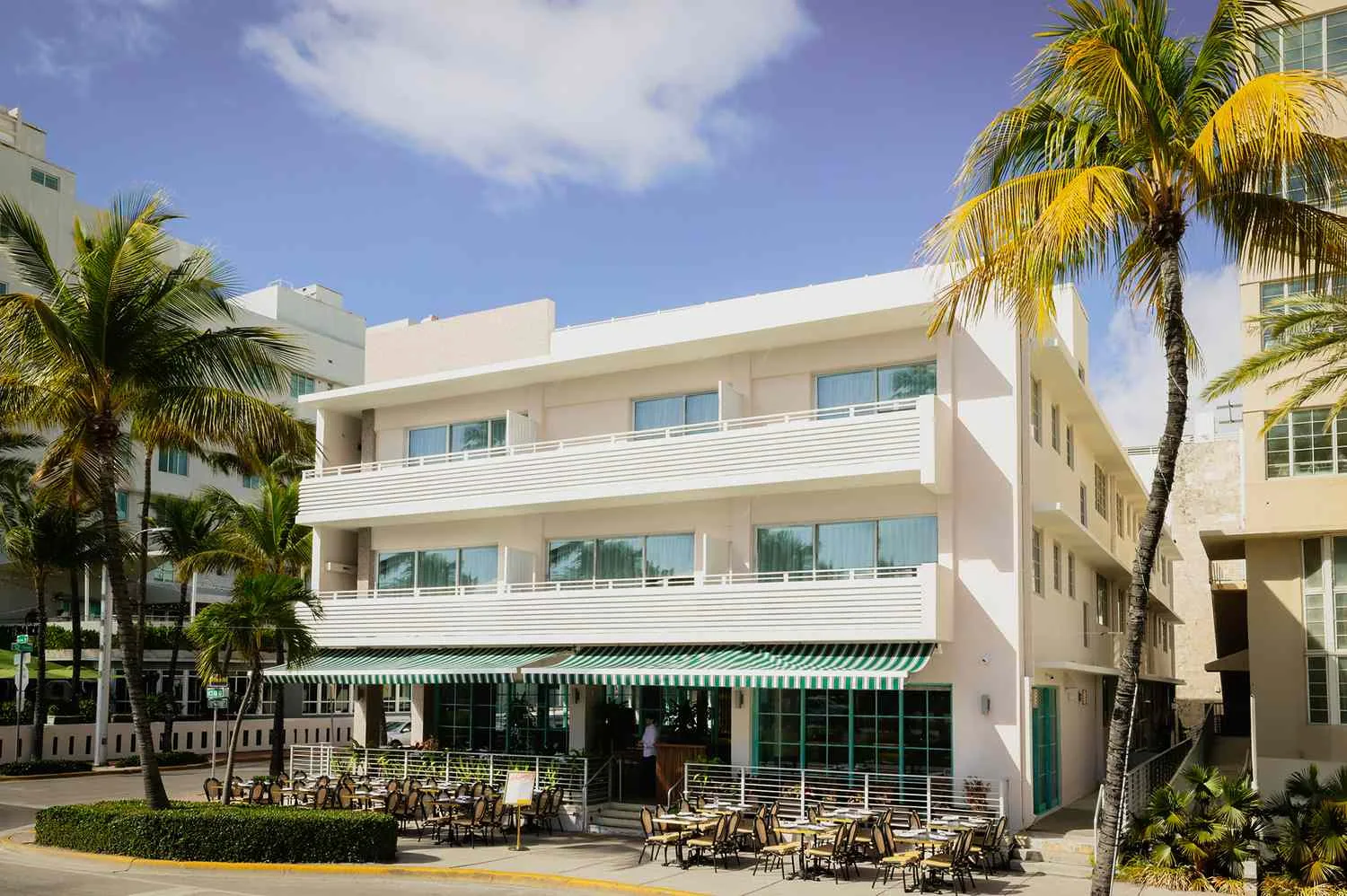
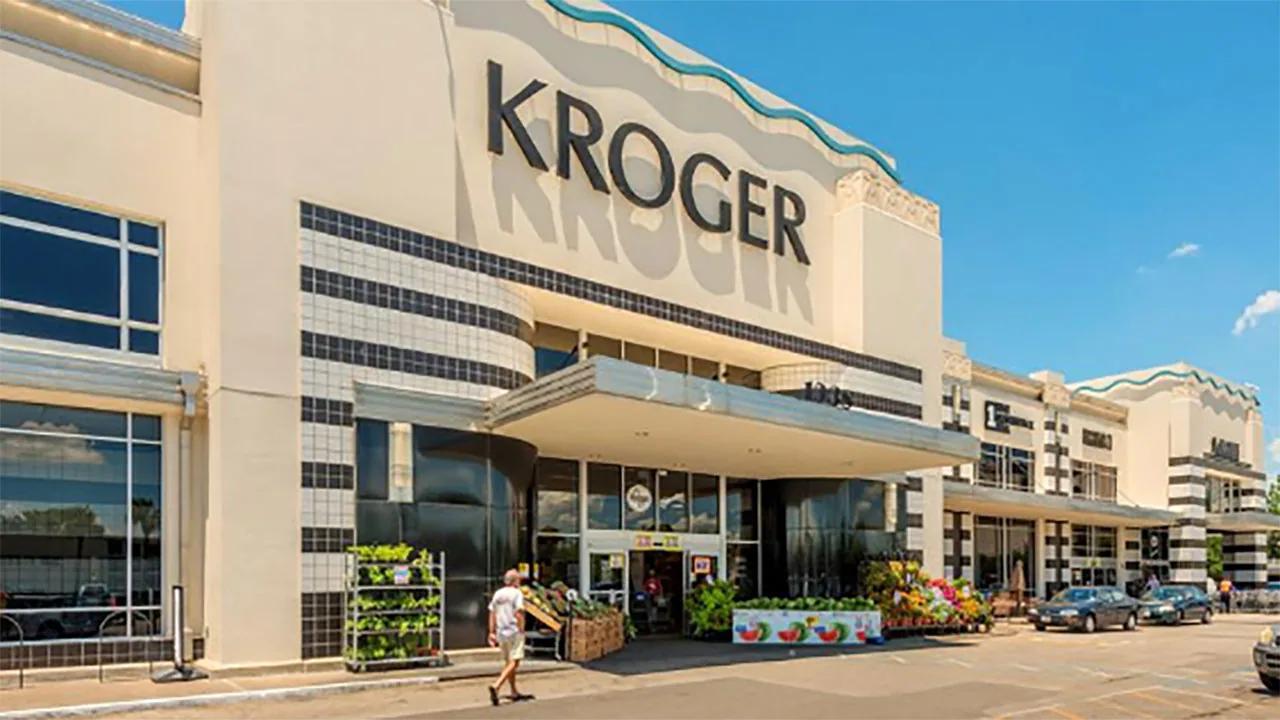
The format covers a shopping center bay, a big-box store and a grocery store in Mission, McAllen or San Juan. Landlords and property managers can read the same file, and a restaurant inside a hotel sits in the same record as the hotel roof kept for hospitality groups.
The recommendation ends with the habits a store manager can keep: clear drains each season, keep the roof hatch locked and date every new stain with its room. The regional lead reviews the list each quarter, and any store with two new stains in a season moves up the schedule.
Questions and Answers
How should a chain compare roofs across locations?
On one scale with the same fields at every store. We recommend rating every section the same way, naming the finding that drives the rating and listing the rooms below.
Can a store stay open during roof work?
Usually, by sections. We recommend protecting merchandise under open cuts, scheduling loud work outside peak hours and naming one person who can stop work.
How do restaurants differ from retail stores?
Kitchen exhaust adds grease on the membrane and fans that must shut down. We recommend adding protective pads, a cleaning schedule and a restart check to the scope.
What does a pre-storm baseline give a regional lead?
A ranking of stores by margin and a list of items to secure. We recommend repeating it each spring and keeping it with the store files.
What should a store manager keep?
The latest condition summary, the drain log and a list of new stains with dates. We recommend sending new stains to the regional lead within a week.
Is a coating suitable for a store roof?
On a dry, sound membrane it can protect the surface and add reflectivity. A moisture map should precede the work and a film check should follow it.

Request a Documented Inspection
Ask for a documented inspection of your store roofs. The written condition summary will include tagged photographs, rooftop sketches with moisture readings, drain and scupper logs and scope lines you can reuse for budgeting or an insurance conversation.