
Service Areas
Commercial Roofing in Elsa, TX
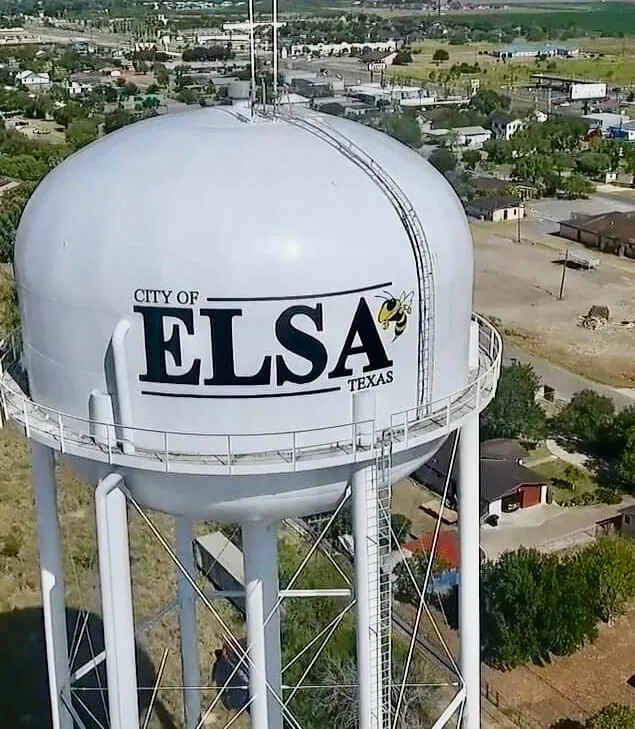
Elsa, TX has a food-processing story that an inspector can use: the Ro-Tel tomato and green chile brand began in 1943 as a family canning plant here. It sets a question for the first visit: where a building handles, stores, or packages food, how does the roof treat moisture and condensation, and what happens inside when it fails? The first line on the roof sheet records the use, and the walk follows from it.
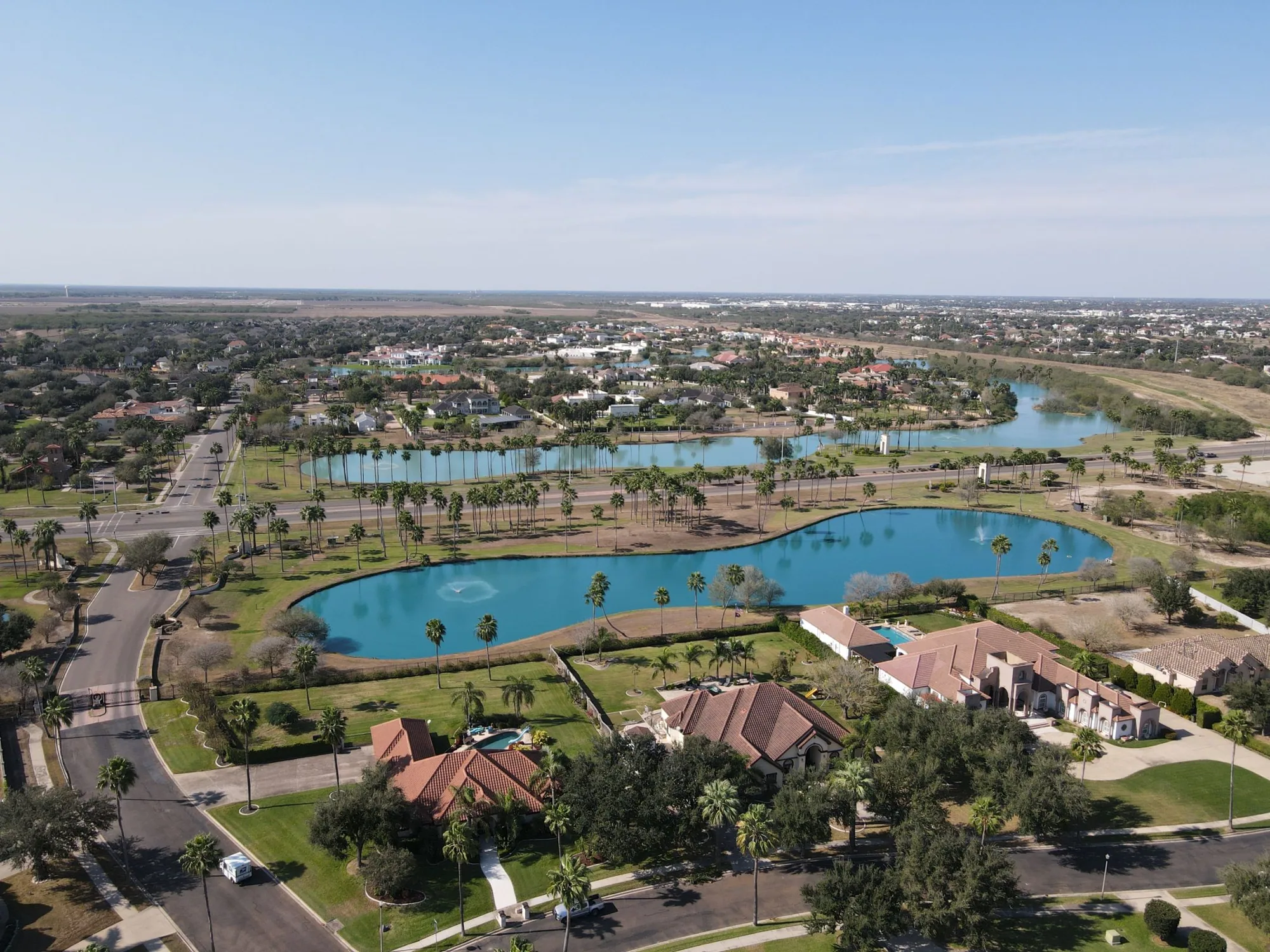
Elsa's Place in Eastern Hidalgo County
Elsa is in eastern Hidalgo County, about 9 miles north of Weslaco and 11 miles east of Edinburg, with 5,668 residents in 2020. State Highway 107 and FM 88 run through town. Neighbors on the same corridor include Edcouch, where SH 107 meets FM 1015.
An owner with an Elsa building and another in Weslaco or Edinburg gets one inspection format for both, which makes it possible to compare them and rank them for spending. The written summary carries the same sections each time: photographs, drain log, sketch, moisture map, and a ranked list of findings.
Roofs Over Food Handling and Storage
A food-handling building asks more of its roof than most. Interior humidity, refrigeration, and sanitation routines all depend on the roof staying tight. A small leak can contaminate product or force a shutdown, and condensation under a cold roof can mimic a leak without any breach in the membrane. The inspector separates the two with moisture readings and a look at the vapor control.
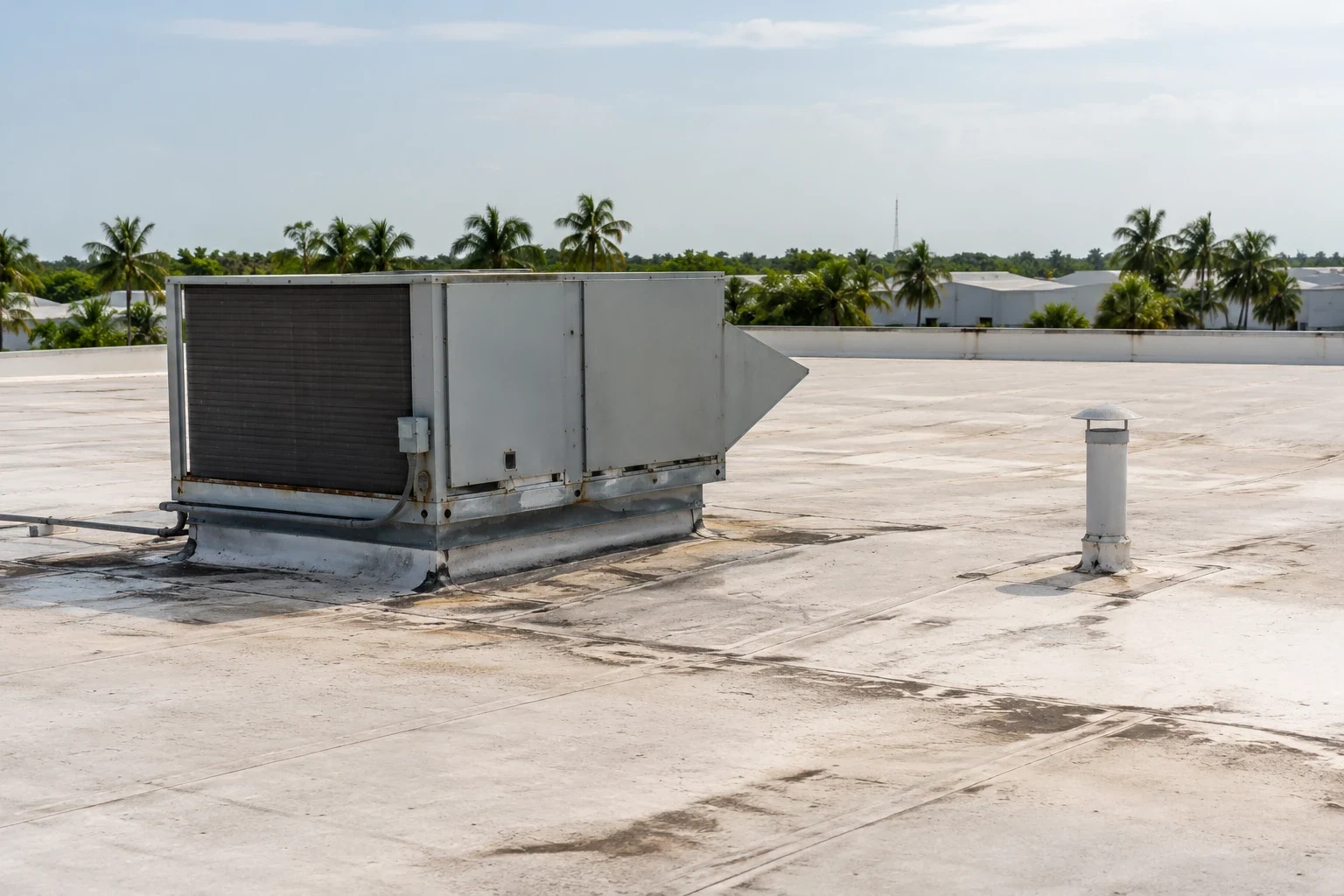
For refrigerated space, cold storage roofing has special details: insulation thickness, vapor retarders, and the way penetrations are sealed. We log the insulation type and thickness from core cuts, check for wet board, and verify that rooftop refrigeration equipment sits on proper curbs. Condensate lines and drain pans are traced to their discharge, since a line that dumps onto the membrane keeps one spot wet all season and wears the surface away. If the building has a history of interior condensation, the roof assembly is reviewed for air leaks and missing vapor control before any membrane work begins.
Leaks, Condensation, and the Difference
Not every drip is a leak. Condensation forms when warm humid air meets a cold surface, and it can drip from a deck or a duct even on a dry day. A leak follows rain. The distinction matters because the fixes differ: a leak calls for flashing or membrane work, while condensation calls for insulation, vapor control, or ventilation changes.
When a call arrives, we compare the date of the drip with the weather record, trace the path, and take moisture readings above and below the deck. Commercial roof leak repair starts with that diagnosis. A crew answers calls at any hour, including holidays, and the first visit dries the building in and photographs the conditions.
Insulation and Roof Assemblies
The roof assembly of a processing or storage building usually includes insulation to control temperature and energy use. When that insulation gets wet, its value drops and interior conditions suffer. A moisture survey and a few core cuts show where board is wet and where it is sound, and the repair covers only the affected area.
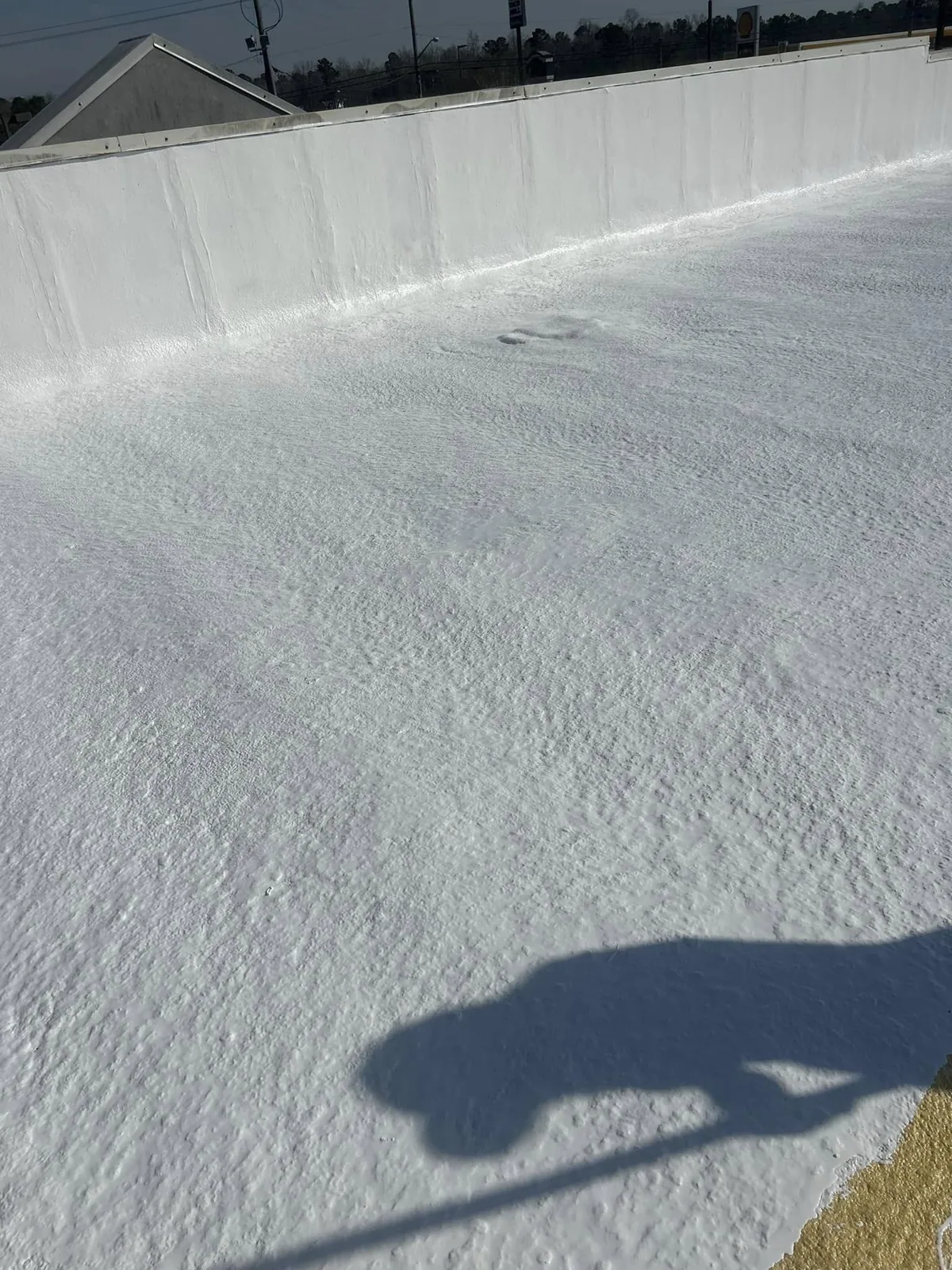
For some buildings, spray polyurethane foam offers a continuous insulating layer with built-in waterproofing. For others, tapered board with a cover board and a single-ply membrane is the better fit. Cover board over foam insulation adds puncture resistance where service technicians walk. We lay out the options in the scope along with the findings that favor each, and note the cost drivers: board type, thickness, area, access, and tear-off. Each core location is patched the same day and marked on the sketch, so a later survey does not mistake an old sample hole for a new defect, and the moisture readings can be compared from one visit to the next.
Heat and Tropical Weather
Brownsville forecasters list May through October as the heat-safety season and June through October as hurricane season, with flooding a concern in every month. In July 2020 Hanna put 14.40 inches into a gauge northwest of Mission. An Elsa roof sees the same pattern as any in the county: long heat, then sudden heavy rain.
A preventive maintenance routine of two visits a year, plus a pre-storm pass, keeps drains clear and edges tight. Each visit adds to the owner's file. Over a few seasons, the pattern of change shows whether a roof is holding, and the file supports decisions about coating, repair, or replacement.
For a building where dry conditions are part of the operation, the pre-storm pass adds a check of interior-facing details: ceiling penetrations, skylight curbs, and any roof hatch that opens over a clean or conditioned space. The photographs from that pass show the state of each detail before the weather arrives, and the post-storm walk compares against them.
Choosing Among Repair, Recover, and Replacement
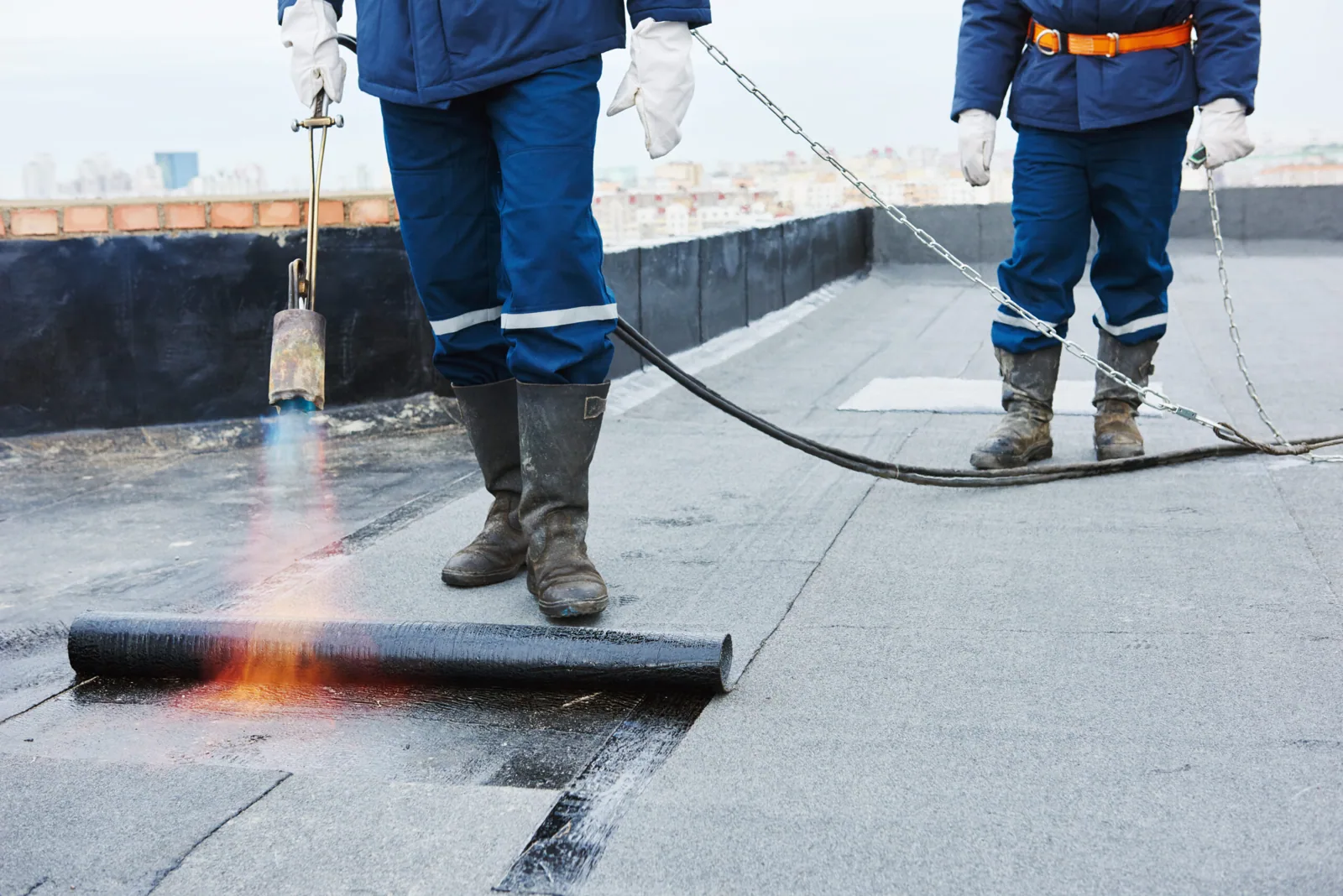
The choice follows the evidence. A roof with dry insulation and an intact membrane is a repair or coating candidate. One with limited wet areas can be patched and monitored. One with widespread moisture is better replaced. For a building that cannot stop operating, the work is phased so only part of the roof is open at a time and each section is closed the same day.
Costs follow area, penetrations, wet insulation to remove, access, and available hours. Food buildings add a few drivers of their own: sanitation windows, protection of product and packaging, and any odor limits that apply near air intakes. The scope lists each in plain terms so two bids can be compared. The summary also includes a recommended timing, which helps an owner fit the work into a budget year. Where a building shuts down for part of the year, the timing is set around that quiet period so tear-off and installation can proceed without disturbing production, deliveries, or inspections.
Questions and Answers
How can I tell condensation from a roof leak in a food building?
Start by matching the timing of the drip to rain. A leak follows rainfall and tends to show at the same spots. Condensation appears on humid or cool days and often covers a wider area. We confirm the diagnosis with moisture readings above and below the deck and, if needed, a look at the vapor control.
Does a refrigerated building need a different roof?
It needs different details. Insulation thickness, vapor retarders, and sealed penetrations matter more because the temperature difference across the roof is large. Wet insulation costs more energy and can cause interior problems. We check the assembly with core cuts and moisture mapping before recommending anything.
What can be done about wet insulation?
Small wet areas are cut out and replaced with matching board. Widespread wet insulation points to a tear-off. A moisture survey sizes the problem first, so the repair covers only what is wet. The map goes into the owner's file with the date.
Is spray foam a good choice for an older roof?
It can be, if the substrate is dry and clean enough to bond. It adds insulation and seals the surface in one system, and a protective coating over it guards against sun. We test the existing roof first, since foam over wet insulation traps the moisture.
How is a first response to Elsa organized?
Emergency calls are answered at any hour, holidays included. Elsa is about 9 miles north of Weslaco and 11 miles east of Edinburg, and the crew dispatches by exposure: the first visit dries the building in and photographs it, and a written scope follows.
Schedule an Elsa Roof Walk
Send us the building address and tell us how the space is used. We will walk the roof, read the moisture, and give you a written condition summary with photographs and a ranked list of repairs.