
Property Types We Roof
Gym, Recreation Center and Fitness Facility Roofing in Mission, TX
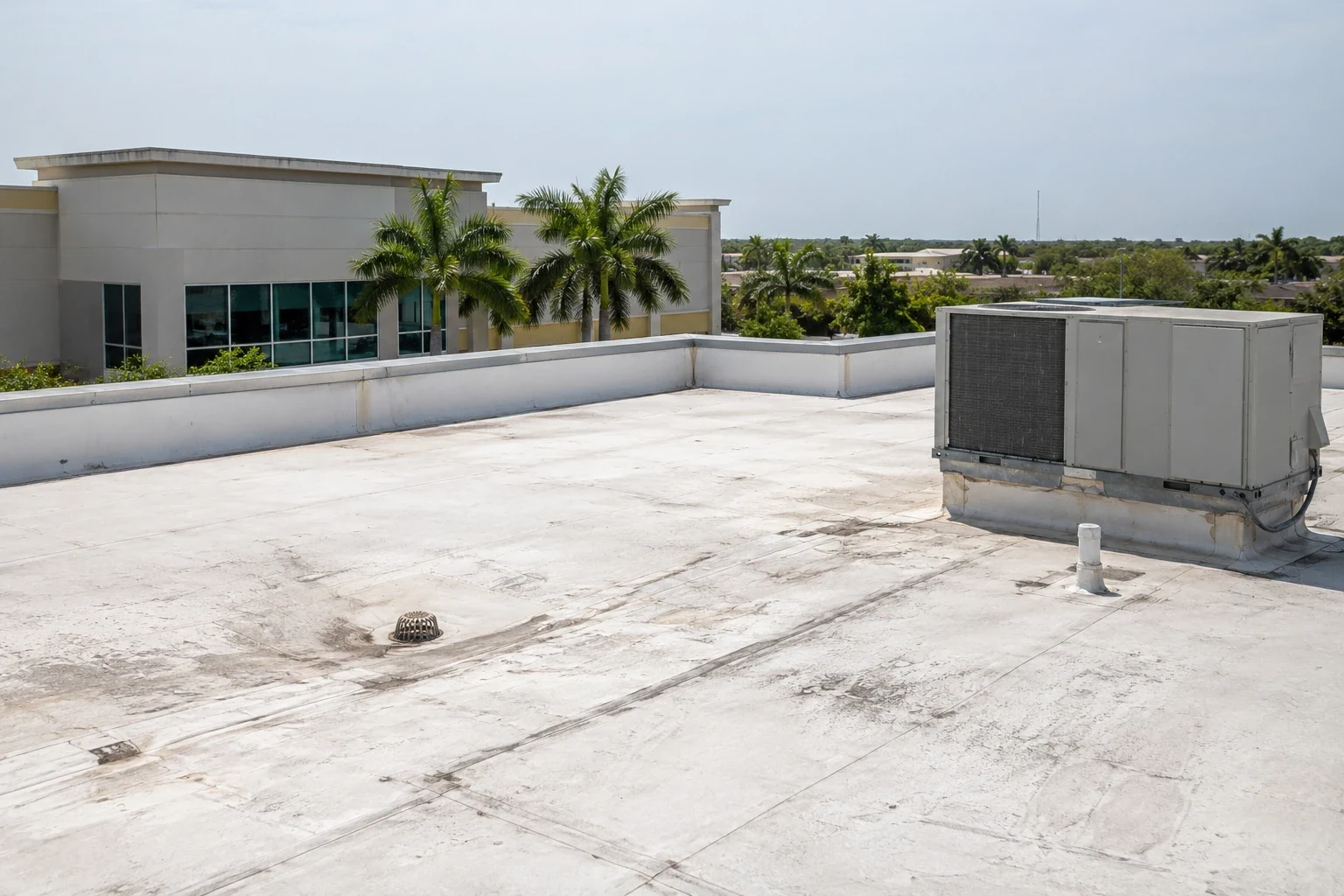
A fitness center inspection sheet opens with a dated photograph of the ceiling line inside the main workout floor, taken beside the matching roof section outside. A gym roof spans a wide open space with few interior walls, so a stain or a sag is visible to every member, and the roof section above it is the first place to look. The photograph, the moisture reading and the section tag go on the sheet together.
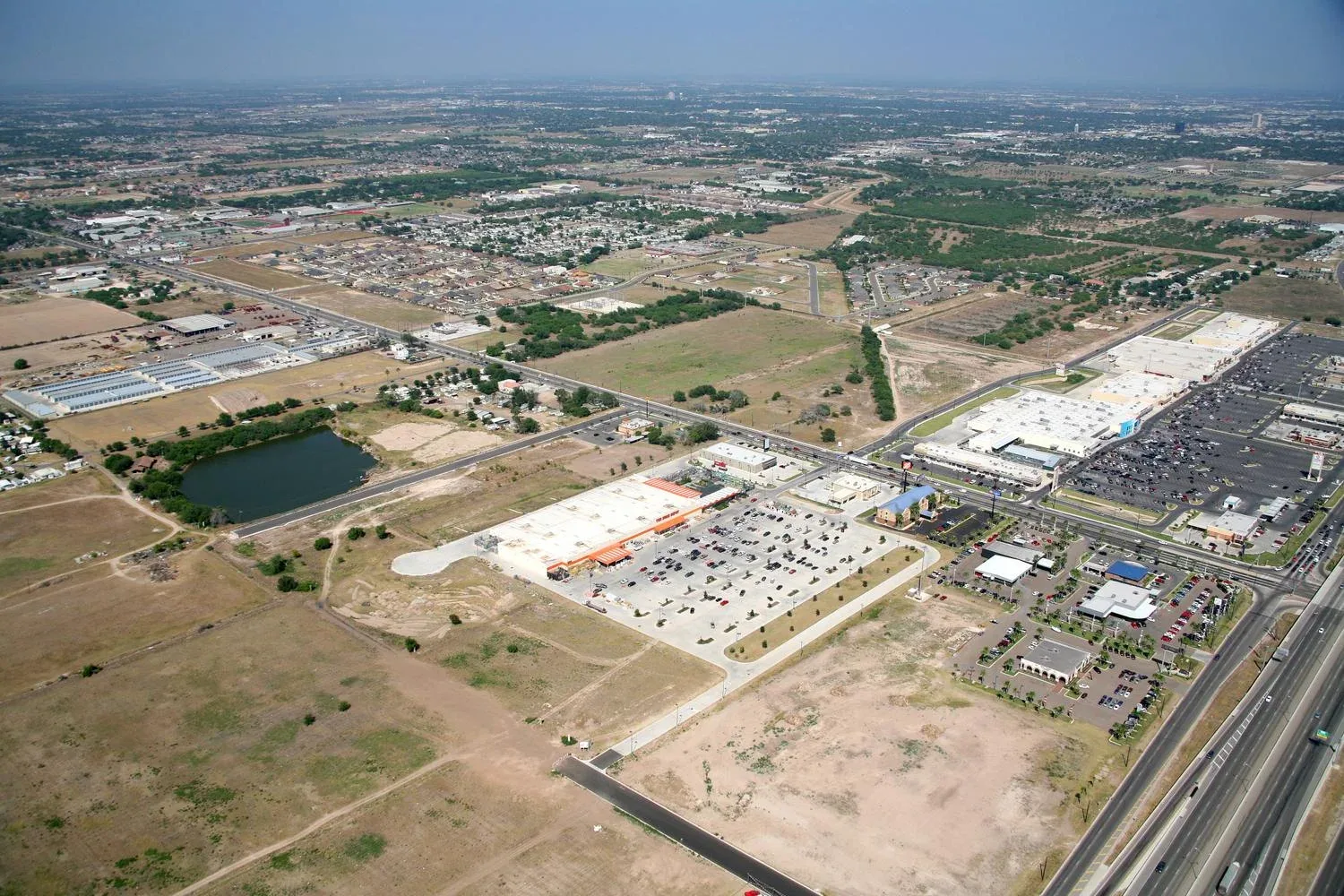
Gyms, recreation centers and fitness facilities in Mission, TX run large roofs over spaces that are loud, humid and busy. Every finding is recorded with tagged photographs and a rooftop sketch, so an owner or a city recreation director can see what the roof is doing and plan around member hours.
Findings Over Open Floors, Pools and Locker Rooms
A fitness building has several roof conditions at once. The workout floor has a wide, flat roof with rooftop units. The locker rooms and showers push humid air toward the deck. A pool or spa area, where one exists, adds chemical vapor and constant moisture. Each condition calls for its own checks.
We walk every section and record seams, flashing, curbs, drains and ponding, and we look for signs of condensation under the deck where humid air has met a cold surface. Vent boots and exhaust fans over locker rooms get their own entries, since a failed boot there is both a roof leak and an indoor air issue.
Skylights over workout areas, where they exist, are checked for cracked domes and failed seals. A skylight over an open floor is a visible leak waiting to happen, and each one is rated with its curb and its flashing.
Exterior canopies and entry roofs get their own lines. Members walk under them every day, so a split seam or a clogged scupper there is a safety and appearance item as well as a roofing one.
A Record That Follows Member Hours
The condition summary maps each roof section to the interior room below it and to the hours that room is in use. A finding over a yoga studio that is empty at noon is scheduled differently from a finding over a daycare area that is busy all day. Operators can read the sheet and decide where a repair can proceed in daylight.
The summary also lists mechanical equipment by unit. Air handlers and dehumidifiers on a fitness roof run hard, and their curbs, drain pans and condensate lines are logged with their condition. A clogged condensate line that spills onto the membrane is a common finding, and it is photographed with its location.
For a municipal facility, the record also notes funding categories, since a repair may come from maintenance and a replacement from capital. The sheet keeps both columns so that a recreation director can brief a council without redoing the work.
Scope Lines for Large Spans and Humid Rooms
Scope lines are written per section. A sound but aging roof over a workout floor may call for cleaning and a reflective coating, which also lowers the surface heat the air conditioning has to fight. A saturated section over a locker room may call for replacement of insulation and membrane with attention to vapor control.
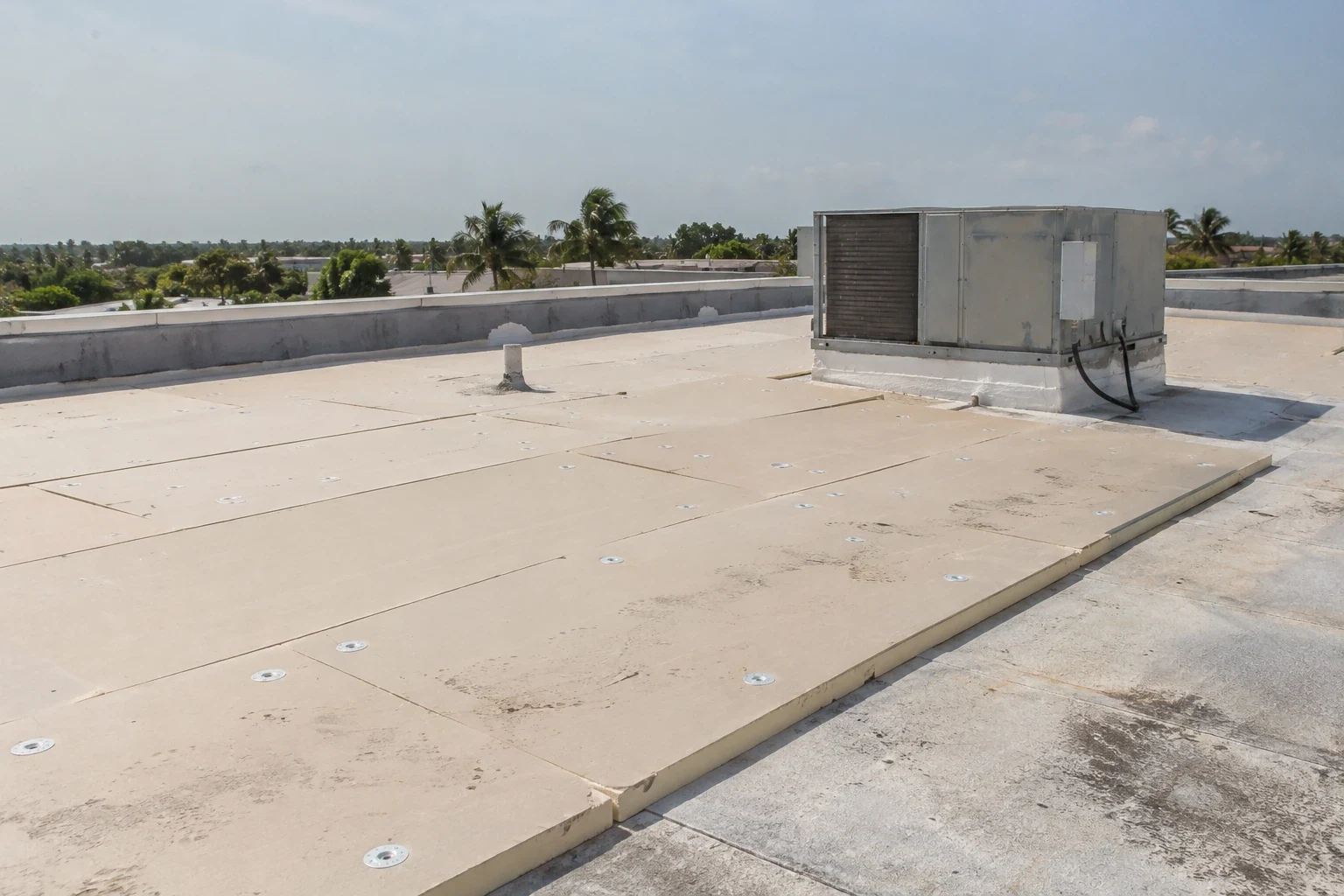
A line gives its finding, the wet area on the moisture map and how the crew will reach the roof. For roofs with insulation and cover board changes, the line states the thickness and the board type, and a cool roof option is priced beside the standard one so the owner sees the difference.
Heat is part of access planning. A dark roof in July is too hot for a crew in the afternoon, so work starts early and the scope states the hours, the shaded break plan and the temperature cutoffs for adhesives and sealants.
A Pre-Storm Baseline Before the Tropical Season
Storms threaten the Valley from June through October, and flood preparedness continues all year. A baseline taken in spring records edge metal, fasteners, seams, drains and scuppers while the roof is dry. At the perimeter a fastener pull sample measures remaining holding power, and a drain test shows whether water leaves.
The baseline also lists loose items that could move in a storm and assigns each to a person. For a recreation center that serves as a community gathering place, the list includes banners, sports equipment on the roof and satellite dishes, and the file notes who secures them before a named storm.
Post-Storm Comparison and Reopening
After a named storm, an operator needs to know quickly whether the building can reopen. Each section is revisited and photographed from its baseline positions, and the new images are matched to the old. Flooding and sheet-metal roof damage followed Hanna across Mission and McAllen in July 2020, and Dolly in 2008 lifted older roofs, so edges and metal details are checked first.
The comparison gives the owner a short list: what changed, what is wet inside and what needs temporary protection. That list supports a reopening decision, an insurance claim and a repair scope, and every entry carries a date.
Gutters, downspouts and canopy drains are checked for debris and flow after the storm. A recreation center with a large roof sheds a lot of water, and an outlet that failed during the rain is both a finding and a warning for the next one.
Options and Recommendation
Options range from repair and cleaning, through a coating, to section replacement or full replacement. Each option is tied to its favoring finding, and the roof over the busiest, wettest rooms comes first in the order. Heat is part of the choice: the Valley's heat-safety season runs May to October, and a reflective surface lowers the load on cooling equipment.
A campus gym on a school roof and a public recreation building under a government roof get the same sheet, whether they stand in Pharr, Weslaco or Mission.
The summary ends with habits for a busy facility: clear drains each season, limit roof access to staff who need it and date each new stain with its room.
Questions and Answers
Why do gym roofs show condensation problems?
Humid air from showers, pools and heavy breathing rises to the deck, where it can meet a cold surface. We recommend checking the vapor control, the insulation and the vent boots, and logging stains by section.
Can roof work be done while the gym is open?
Usually in sections. We recommend scheduling loud work during the slowest member hours, protecting the floor below open cuts and posting a notice at the front desk.
Is a cool roof worth considering for a fitness building?
It can lower surface heat on a large roof. We recommend pricing a reflective option beside the standard one, with the insulation and equipment details in hand, so the comparison is fair.
How do you protect pool areas during roof work?
By protecting the water and the deck below, closing off the work zone and keeping debris away from the pool. We recommend the operator approves the plan in writing.
What should a recreation director keep in the roof file?
Tagged photographs, the rooftop sketch, the mechanical equipment list, the drain log and the last condition summary. We recommend adding the warranty paperwork and updating the file each spring.
How quickly should the roof be checked once a storm passes?
Within days, before the building reopens if possible. We recommend photographing each section from the same positions as the baseline, so changes are easy to see.

Request a Documented Inspection
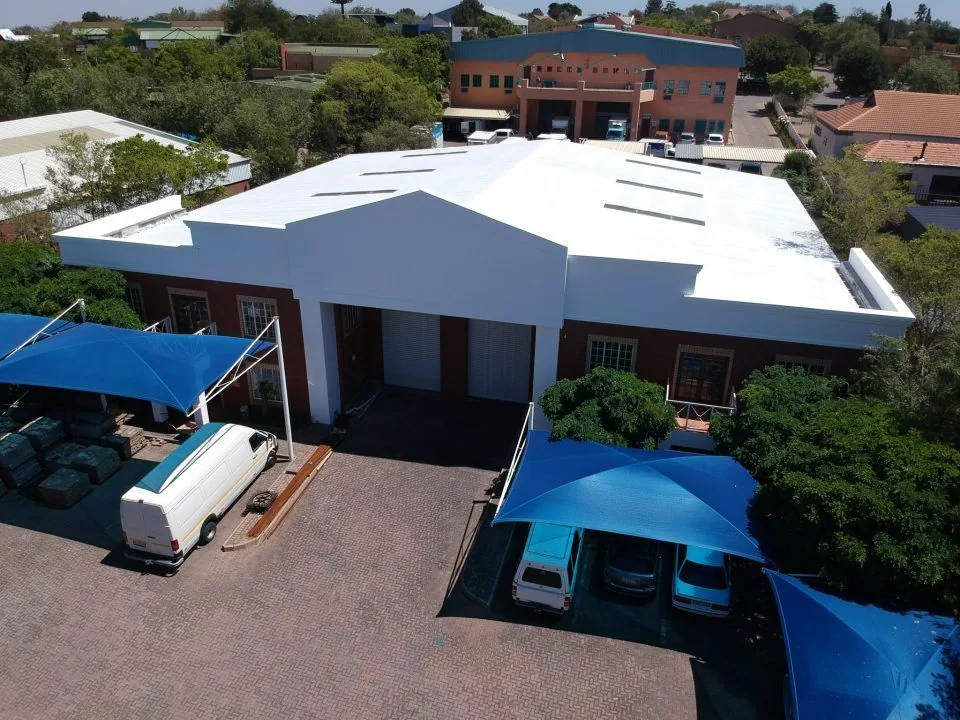
Ask for a documented inspection of your fitness facility. The written condition summary will include tagged photographs, a rooftop sketch with moisture readings, a drain and scupper log and scope lines you can reuse for budgeting or an insurance conversation.