
Property Types We Roof
Government and Municipal Building Roofing in Mission, TX
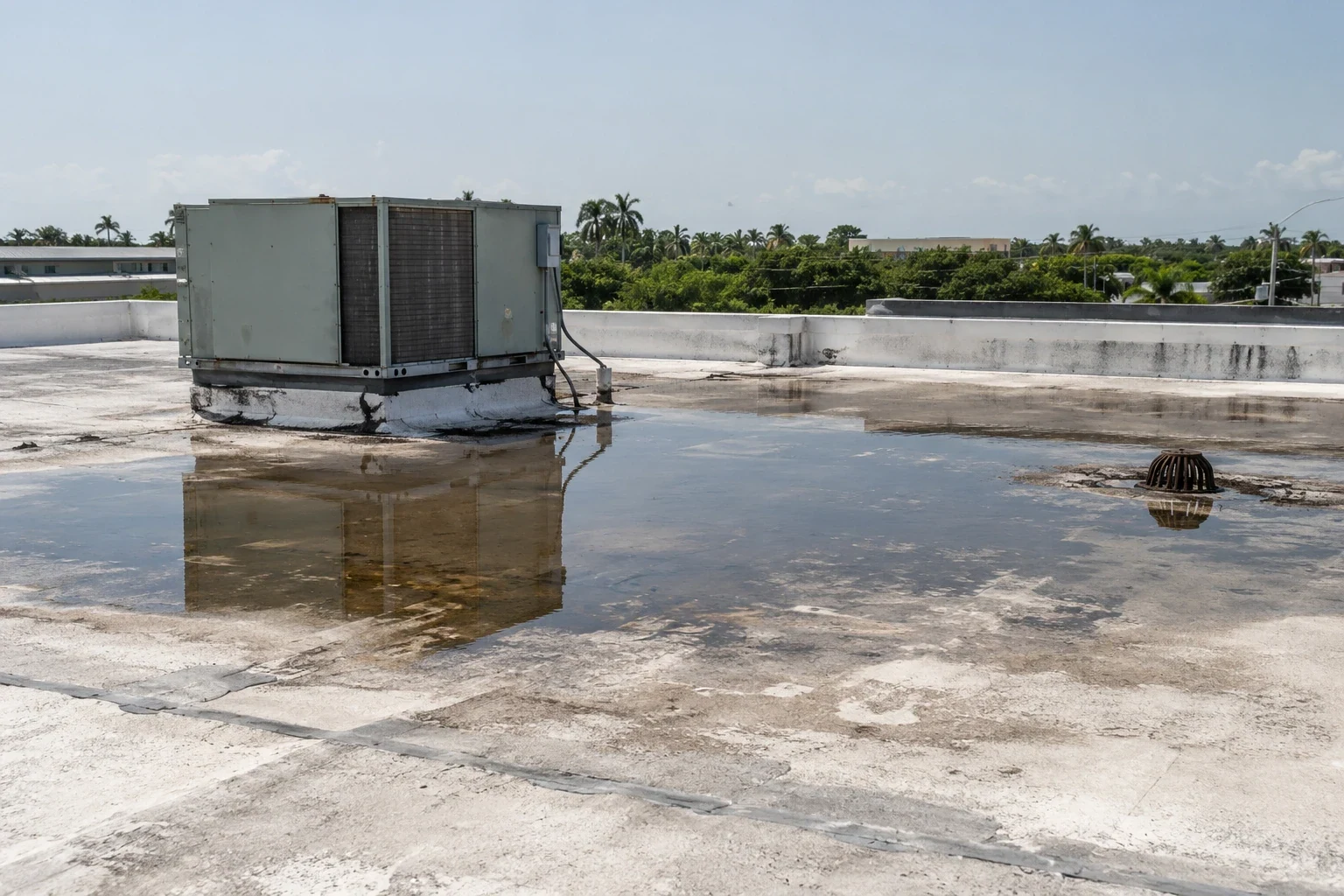
A public building inspection starts with a dated photograph of the drain closest to the main entrance, tagged to its roof section, because that is where a clog shows first and where staff and visitors would notice a leak. Together with a moisture reading and a note on the nearest scupper, it opens the building's roof file.
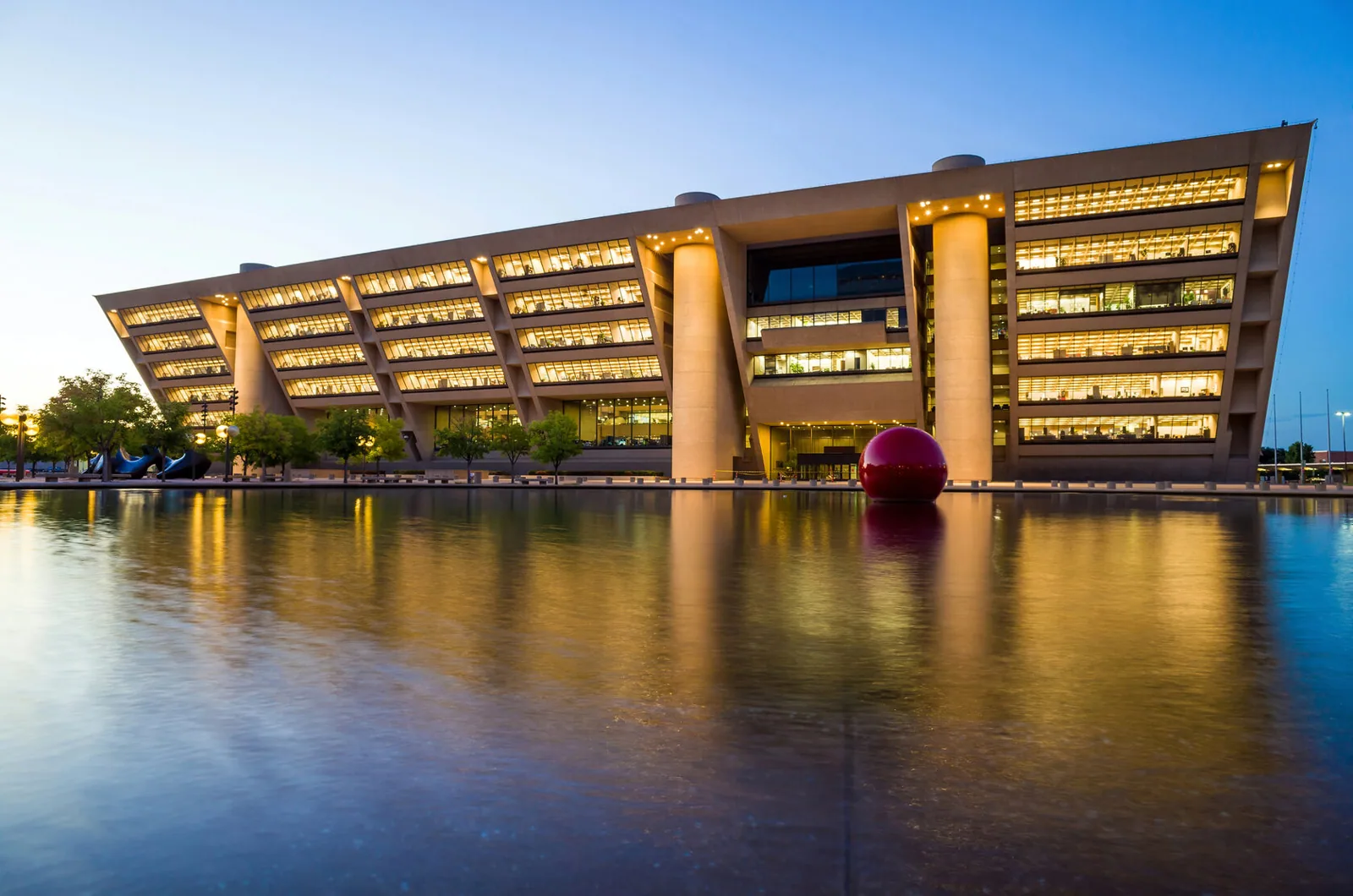
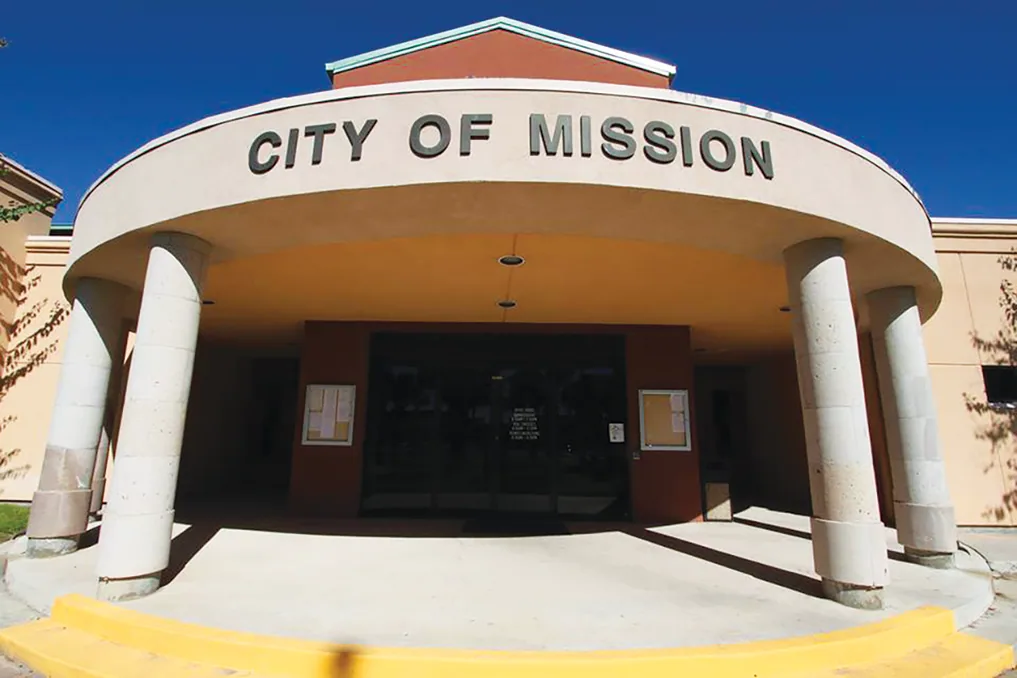
City halls, courts, libraries, fire stations and public works yards in Mission, TX and across Hidalgo County answer to councils, commissions and auditors. A roof record that is dated, tagged and consistent from one building to the next gives those readers evidence they can follow and reuse in a budget meeting.
Findings Across Different Public Buildings
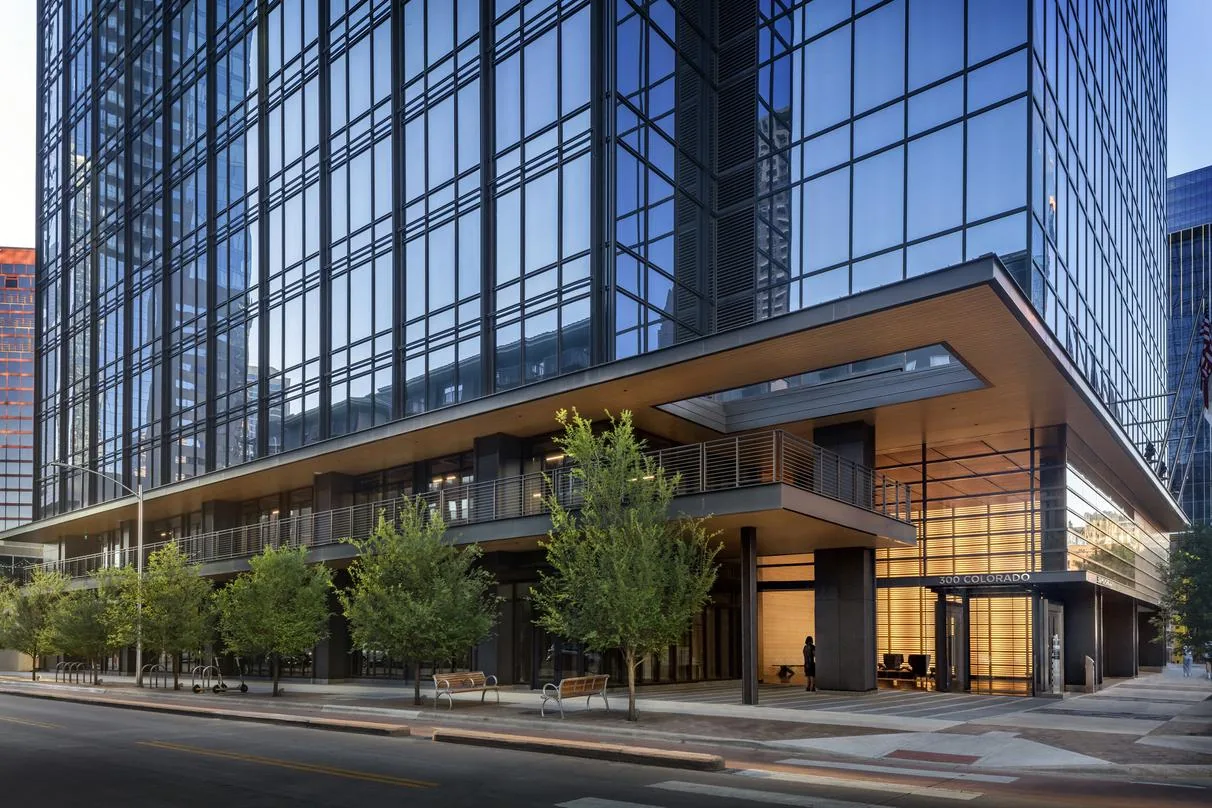
Public inventories are mixed. A library may have a low-slope roof with many rooftop units, a fire station may have a metal roof over bays, a courthouse annex may have a wide membrane field with parapets, and a public works yard may have a series of shed roofs. Each type fails in a different place.
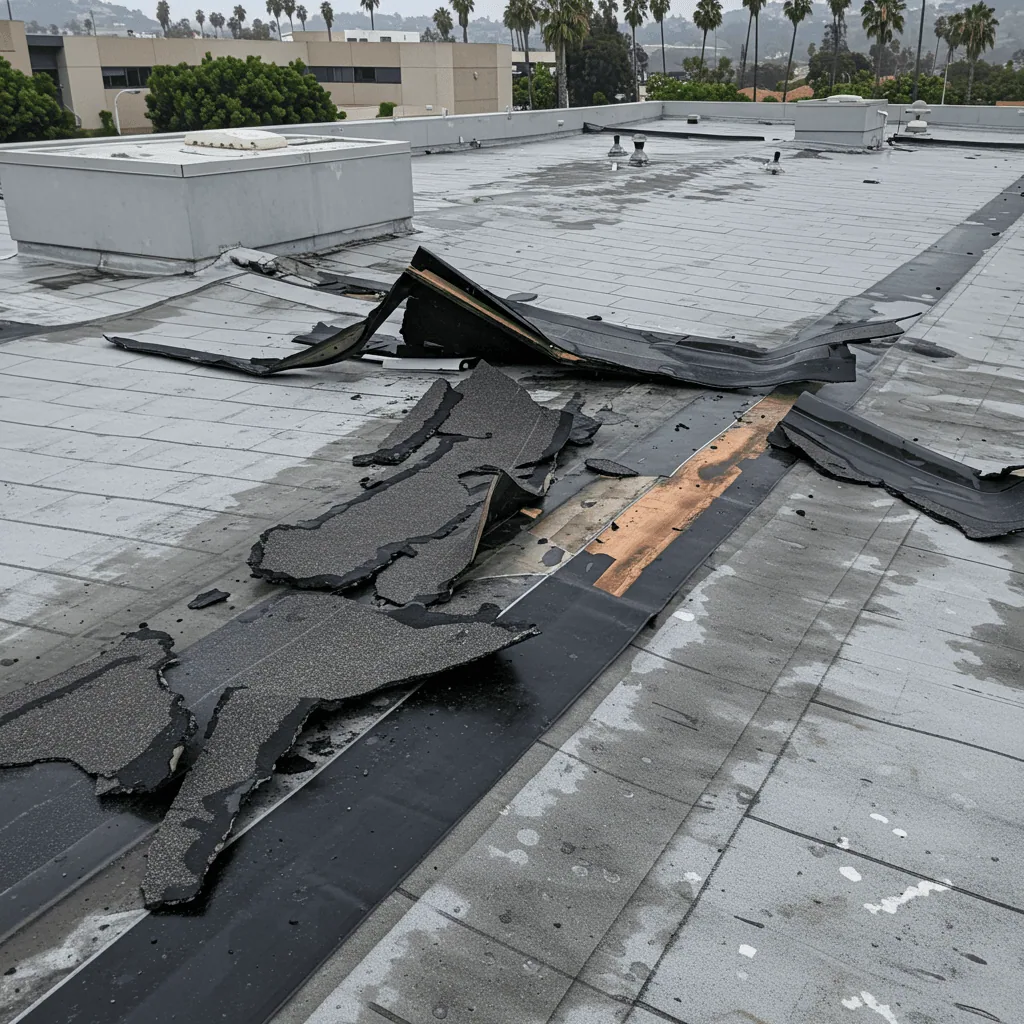
We walk every section and record what we find: lifted metal at edges, open seams, sealant splits at curbs, clogged drains and ponding after rain. Each finding gets a photograph, a tag and a rating, and each rating carries a sentence on what it means for the rooms below.
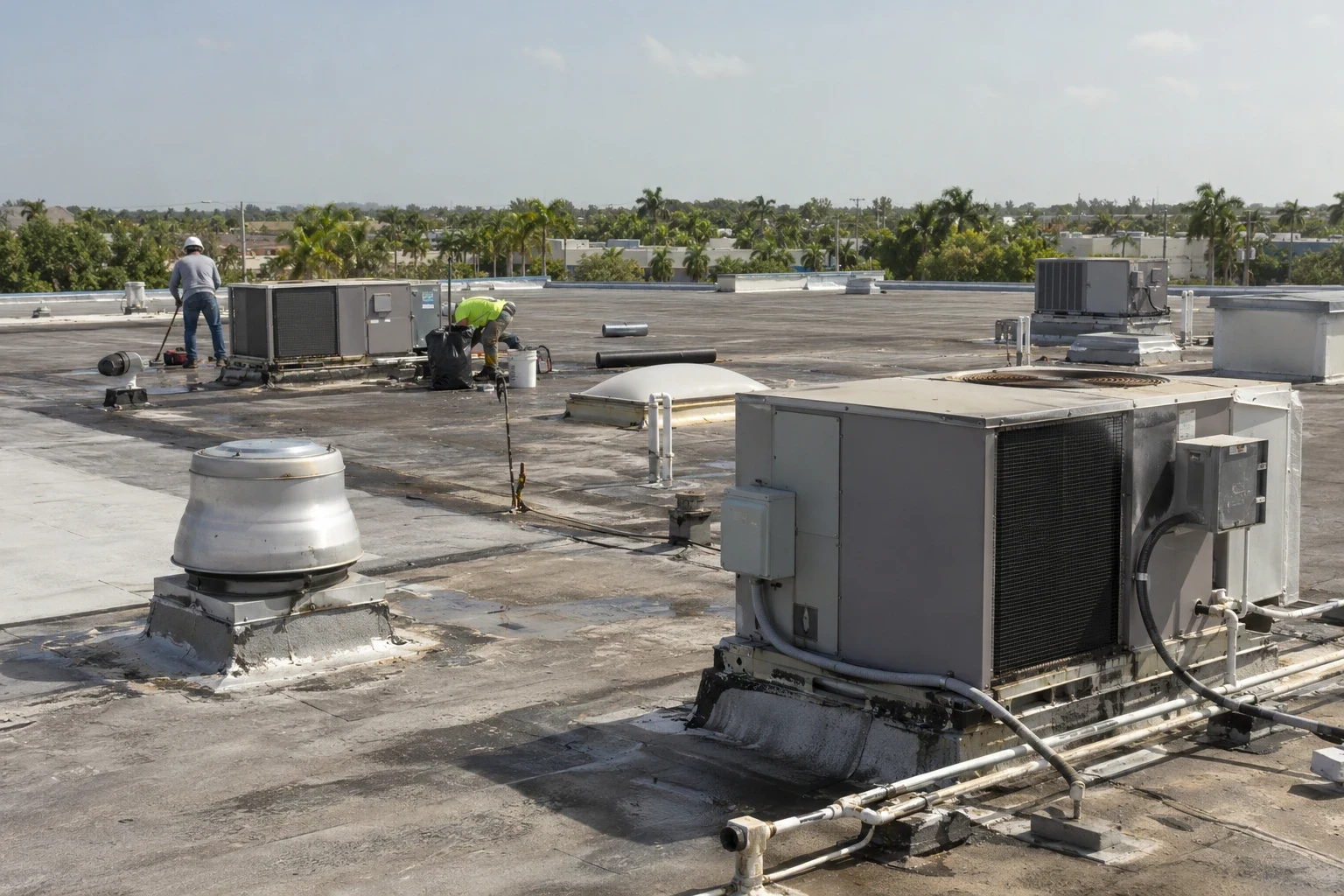
Rooftop equipment gets a finding of its own. Air handlers, exhaust fans, communication antennas and solar mounts all stand on curbs or supports, and the flashing around each is rated. A cracked boot or a dry sealant bead at a curb is photographed from two angles and tagged to the unit it serves.
The inspection also notes how a technician reaches each unit. A path of worn membrane from the hatch to an air handler is a finding in itself, and the summary recommends walk pads where the wear is visible.
A Record That Fits a Budget Cycle
The condition summary orders buildings by consequence and condition, not by name. A roof with wet insulation over an occupied office ranks above a dry roof with a cosmetic stain over storage. The ranking helps a facilities manager decide which request to make first and which to hold.
Every entry cites its photographs and its readings, so an auditor or a council member can check the basis for a recommendation. The same format serves a public agency with several buildings and a small city with only a few, and the file can be updated each spring.
Where a building has no drawings, the record builds them. On the sketch go section boundaries, drains, penetrations and units, and that sketch serves as the base map for each visit that follows. The sketch is simple and dated, and it travels with the owner's file when responsibility passes from one manager to the next.
Scope Lines Written for Competitive Bids
Public work goes out for bids, and a vague scope produces vague prices. In a scope line go the finding, the moisture-map area, the system to be installed, the insulation thickness, the drain work and the flashing details. Alternates are priced separately, with the condition that would trigger each.
Access and hours belong in the scope too. A government building has public hours, security screening and parking constraints, and the line states them so every bidder prices the same conditions. A commercial roof replacement scope also lists temporary protection and the testing that follows.
Warranty status is checked before any line is written. A warranty still in force adds two entries to the scope: the person to notify and the repairs the maker will accept. A repair made with the wrong material can end coverage, so the check comes first.
The Pre-Storm Baseline for Public Facilities
Fire stations, shelters and emergency operations buildings need to stay dry when the weather is worst. Before hurricane season, edge metal, fasteners, drains and scuppers are recorded, and a pull sample along the perimeter shows how much holding power is left. In the Valley hurricane season stretches from June to October and flood preparedness never stops.
The baseline also lists rooftop equipment and antennas that need securing. For an emergency building, the file notes who is responsible for each item and who holds the keys to the roof, so access is not a question during a storm.
Heat is part of the baseline. May through October is what the Brownsville weather office calls the Valley's heat-safety season, so sustained sun reaches a public roof for months. Film thickness, seam bonds and sealant elasticity are logged in spring so that summer aging can be measured, not guessed.
Post-Storm Comparison and Damage Reports
After Hurricane Hanna in July 2020, parts of Mission, La Joya and Sullivan City saw standing water from poor drainage, and hundreds of poorly built structures were damaged mostly at the roofs. A public agency that has a baseline can tell the state or an insurer what changed, with dates, and can justify emergency spending to its governing body.
The comparison lists each new finding beside the earlier photograph. Where flooding is a factor, a ponding water entry records depth and drain flow, since a roof that holds water during a flood event adds weight and risk.
Photographs inside the building complete the comparison, since a stain on a courtroom ceiling or a library shelf wall must be matched to the right roof section before anyone cuts.
Options and Recommendation for Public Owners
For each building the summary lists repair, coating, section replacement and full replacement, with the finding that favors each. The recommendation names the lowest-cost path that meets the condition and says what would change it. It also states the maintenance the owner should perform to protect the investment.
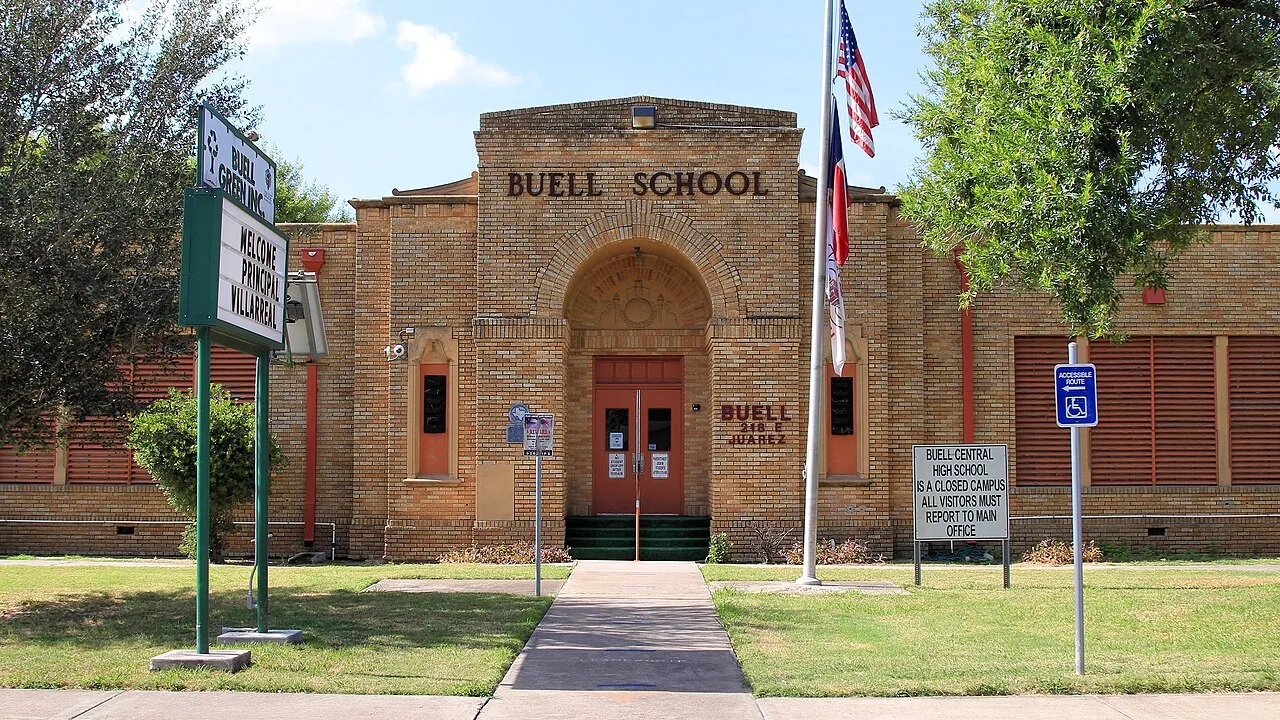
Buildings in Edinburg, the Hidalgo County seat, Pharr and Mission can share the format, and a school or a church that shares a lot with a public building is recorded the same way.
The recommendation also states what the owner should do between visits: keep drains clear, restrict rooftop access to those who need it, report new stains within a week and log them with a date. Those habits cost little and keep the file useful.
Questions and Answers
How should a city prepare roofs for bidding?
Start with a documented inspection and a moisture map, then write scope lines tied to findings. We recommend including alternates for coating and recover, with the condition that triggers each, so bidders price the same facts.
What belongs in a public building's roof file?
Tagged photographs, a rooftop sketch with readings, a drain and scupper log, the last condition summary and the warranty paperwork. Keep it current each spring and after a named storm.
What changes on the roof when the building stays open to the public?
Entrances are protected, noisy work is limited to hours the facility manager names, and a contact is posted for questions. Security screening and parking are written into the scope.
How does a baseline help after a hurricane?
It shows what changed. We recommend keeping the spring photographs and drain log, so post-storm findings can be compared and reported with dates to the council and the insurer.
Is a coating an option for a government roof?
On a dry, sound membrane it can extend service life. Run a moisture map before deciding and a film check after, and request a bid alternate that sets its cost beside replacement.
Who should keep the file?
The facilities manager and the records office should each hold a copy. We recommend keeping the warranty and bid documents with the condition summary.
Request a Documented Inspection
Ask for a documented inspection of your public buildings. The written condition summary will include tagged photographs, rooftop sketches with moisture readings, drain and scupper logs and scope lines your office can reuse for budgeting, bidding or an insurance conversation.