
Property Types We Roof
Church and House of Worship Roofing in Mission, TX
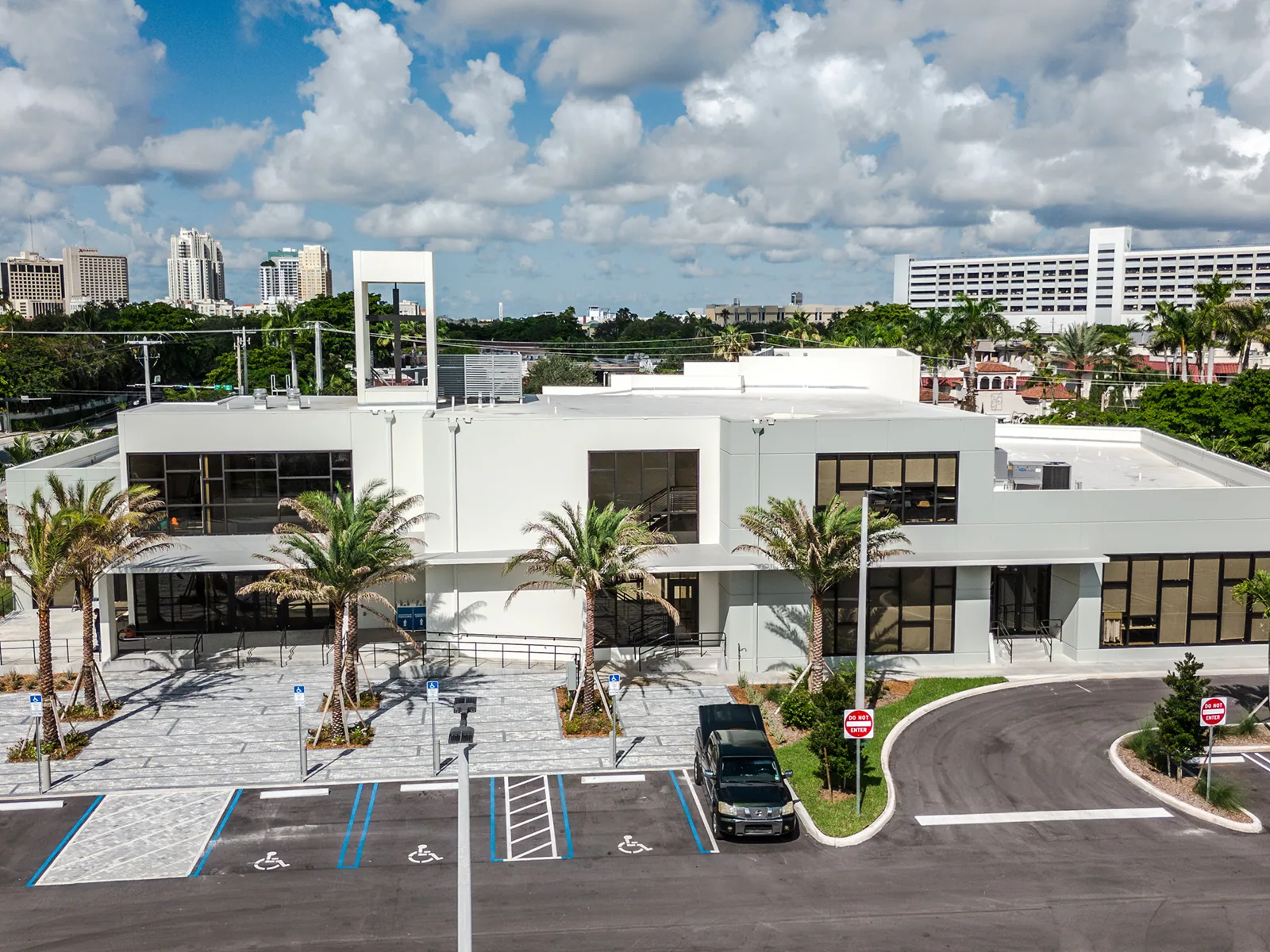
A church inspection begins with a measurement taken at the transition between the sanctuary roof and the lower fellowship hall roof. That joint is where tall walls shed water onto a lower membrane, and a dated photograph of the flashing there tells a congregation more about its roof than a general statement of age. The reading from the moisture meter goes on the sheet beside the photograph.
A house of worship in Mission, TX may combine a high, steep or domed roof with several low-slope sections over halls, classrooms and entries. We document each section finding by finding, so a board or a building committee can see which part of the campus needs money now and which part can wait.
Findings at Roof Transitions and Tall Walls
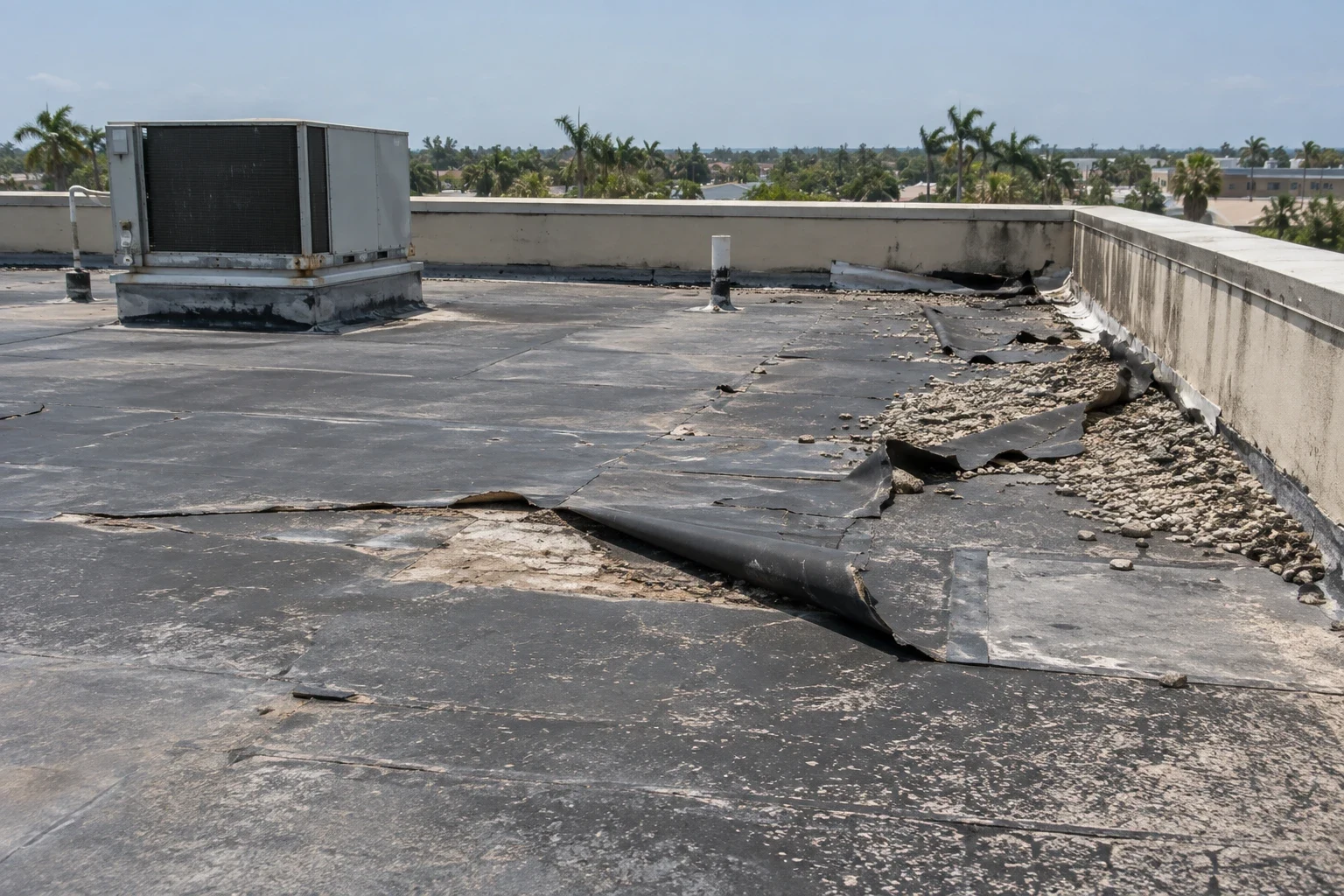
The details that fail first are the ones where one roof meets another. Step flashing along a tall wall, a curb for a bell or a cross, a skylight over a lobby and the edge of a covered walkway each get a photograph, a tag and a note on the sealant or metal condition.
Low-slope sections collect the water from higher ones, and their drains and scuppers are logged separately. A scupper that carries the run-off of a sanctuary roof can overflow in a single heavy rain, and the log records its size and whether it flows when tested.
Bell towers, steeples and cupolas get a close look at their base flashing, because they are small penetrations with large consequences. The inspector photographs the base from the roof edge, notes whether the sealant has pulled away and records whether a gap lets water reach the deck.
Skylights and clerestory windows over a sanctuary are treated the same way. The condition summary lists each by location and rates the seal around it, so a stained ceiling inside can be traced to a specific detail on the roof.
A Condition Record a Committee Can Read
The condition summary is written for volunteers and clergy as well as managers. It lists each roof section by number, gives a plain rating, cites the photographs that support it and states what happens if the finding is left alone for a year.
The record also helps with stewardship. A congregation that can show a dated sketch, a moisture map and a drain log has a stronger basis for a funding drive, a loan application or an insurance discussion than one that can only describe a leak. The file stays with the church after the work is done.
An older campus can have roofs of several ages. The record marks each section's approximate age where it is known and says plainly where it is not. A section of unknown age gets a core cut or a probe before the committee relies on it, and the result is recorded with the date.
Scope Lines for Sanctuary and Hall Roofs
Scope lines are written one section at a time. A sanctuary roof with sound insulation and an aging surface may call for cleaning and a reflective coating. A fellowship hall roof with wet insulation may call for a section replacement. A tall steep roof may call for panel or shingle repairs by a crew trained for height.
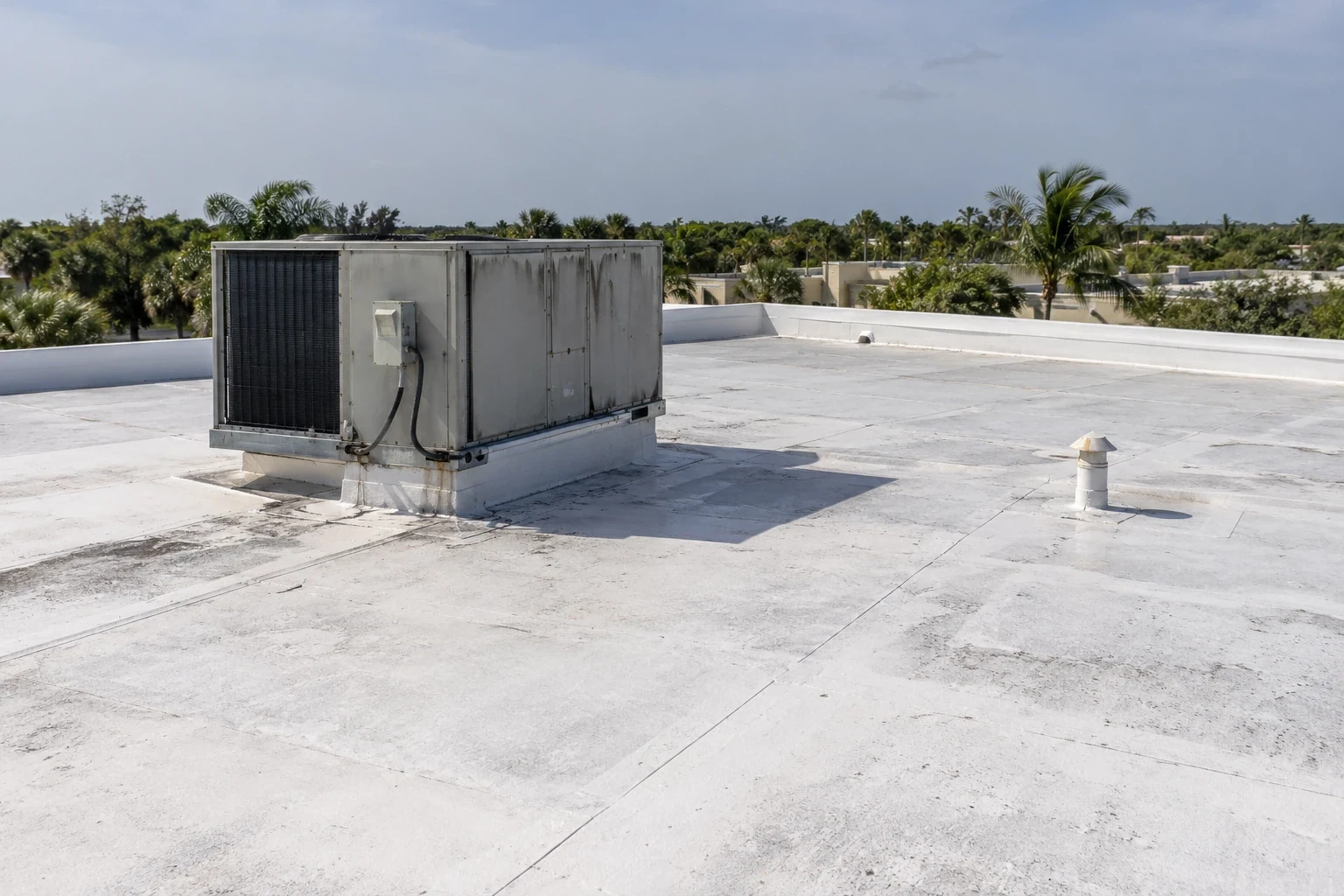
Every line records the finding that drives it, the wet area taken from the moisture map and the access method, whether lift, crane or scaffold. A roof coating restoration line adds the film thickness check that follows the work.
Access can cost more than the roofing. A lift needs firm ground and clearance from power lines, scaffold needs room around a tower, and a crane pick needs a street closure. The scope line lists the method for each section and the preparation the church needs to provide, such as moving parked cars on a weekday.
The Pre-Storm Baseline and the Heat Season
The Brownsville weather service frames the Valley's heat-safety season as May through October, with hurricanes a threat from June to October. A church roof gets sun on its large surfaces for months, and the baseline taken in spring shows how the coating, sealants and seams have aged since the last visit.
The baseline also lists loose items a storm could move: cross mounts, light fixtures, vent caps and satellite equipment. Securing or removing them before a named storm is a cheap step, and the list says who is responsible for each.
Gutters and downspouts on lower roofs are logged as well. A gutter pulled loose by wind or clogged with leaves is easy to fix in spring and expensive to fix after a flood, and the baseline shows which ones need attention first.
Post-Storm Comparison for Insurance and Repair
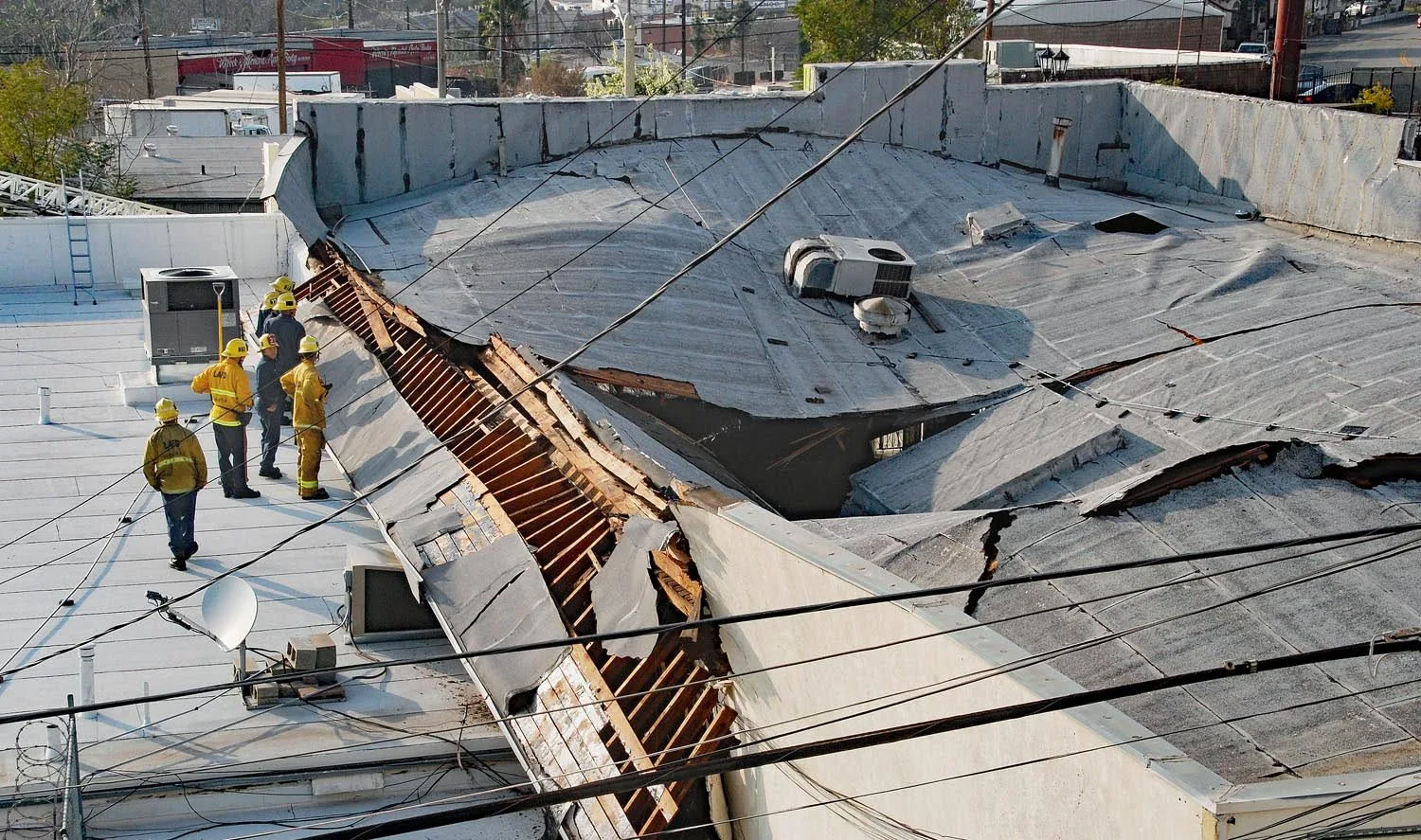
Once the weather clears, each section is walked again and photographed from the spots used in the baseline. Dolly's 2008 gusts of 50 to 70 mph across populated Hidalgo County lifted roofs on older structures near Weslaco, which tells a church with older sections where to look first.
The comparison lets a board tell an insurer exactly which findings are new and which were already recorded, with dates. That separation reduces disputes and speeds approval of the repair scope, including for wind damage and hurricane damage.
Water inside is the other half of the comparison. Ceiling stains, damp carpet and wet plaster are photographed and matched to the roof section above, which narrows the search for the opening before anyone cuts.
Options, Recommendation and Scheduling Around Services
For each section, the summary offers options with the finding that favors each. Work is scheduled around services, weddings and funerals, with loud tasks placed on weekdays and a plan for protection when rain interrupts. Sunday morning access is arranged in advance with the office.
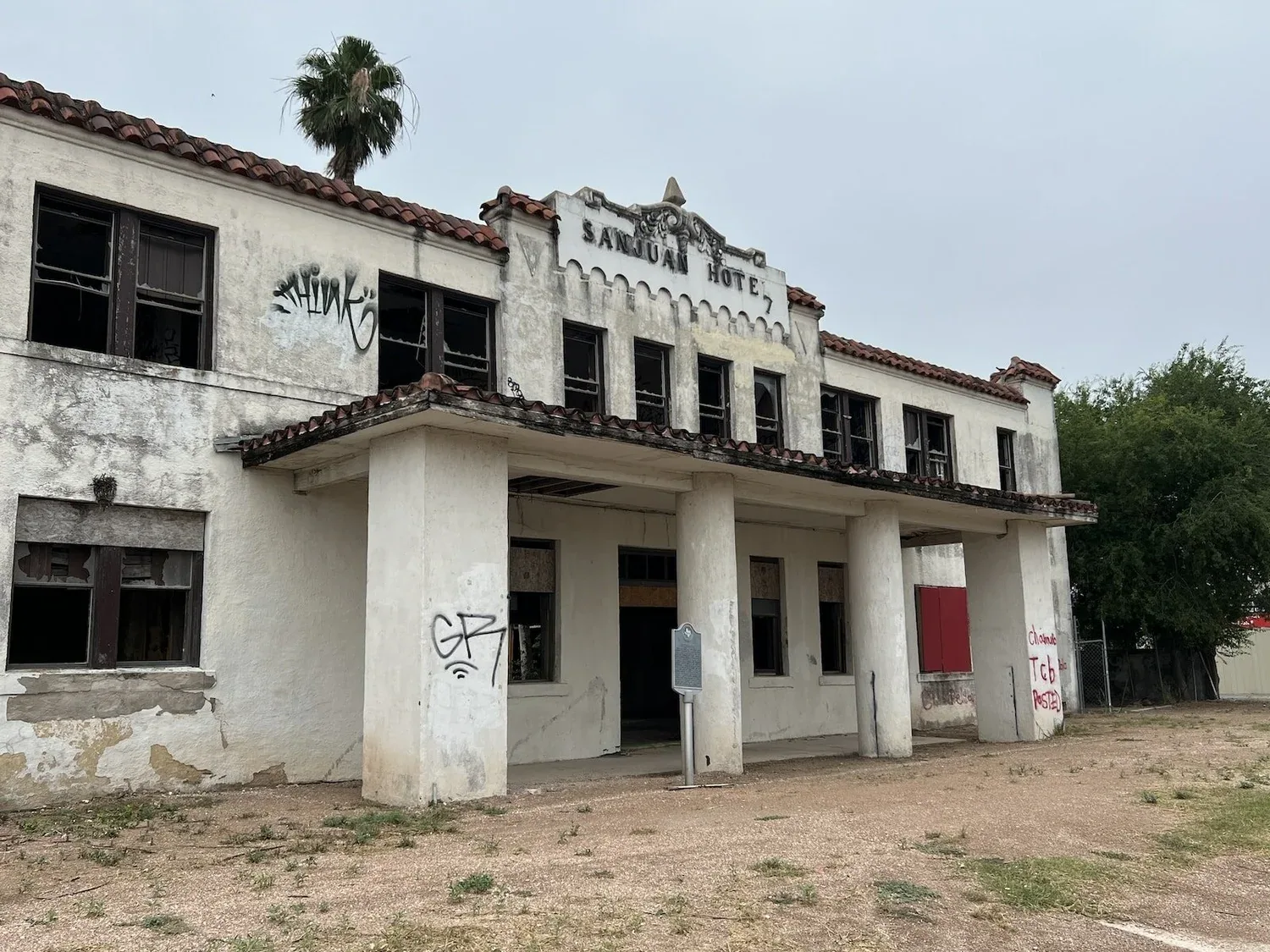
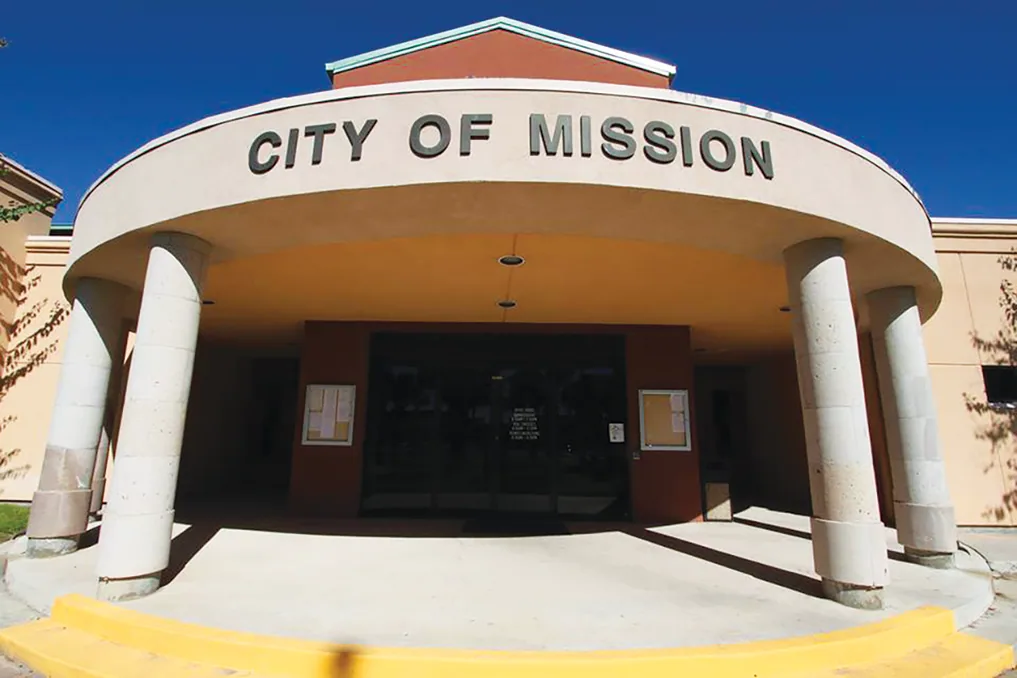
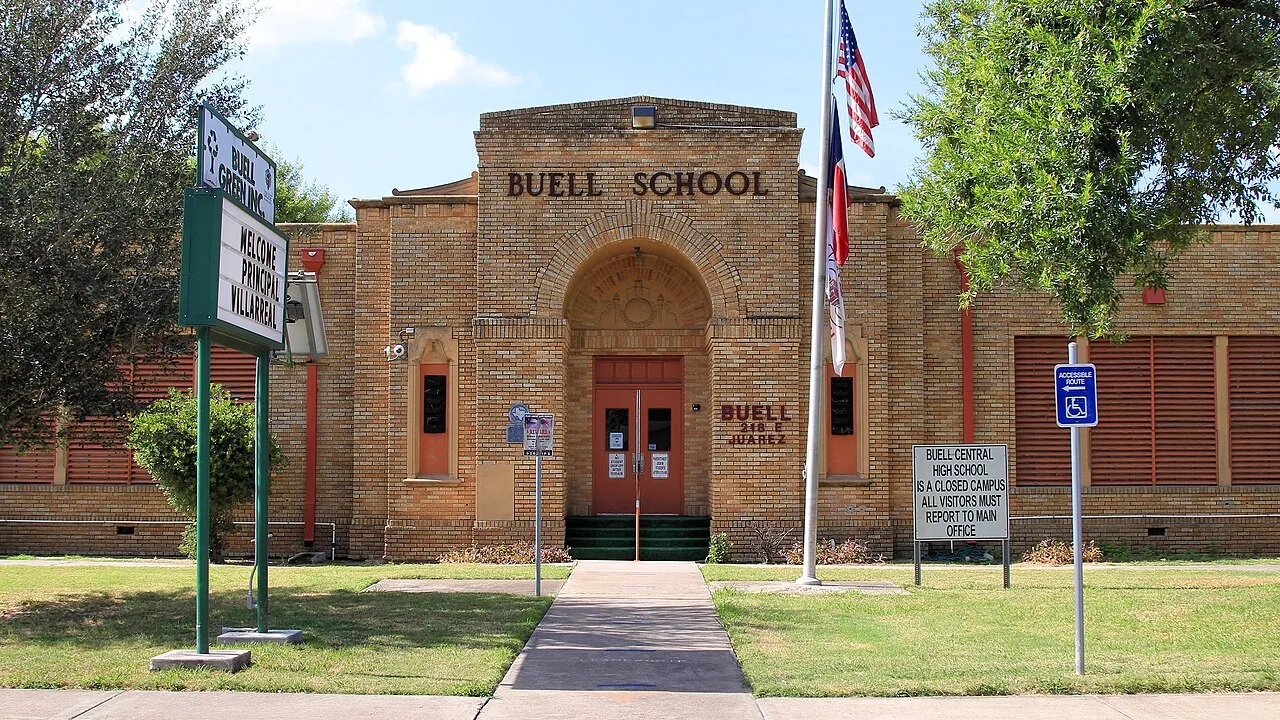
San Juan draws visitors to one of the largest churches in South Texas, and congregations in San Juan, Mission and Pharr share the same weather. Campuses with a school wing can use the same file format for the school roof, and the same format suits a government building.
Phasing suits a campus. The sanctuary roof may be done in one season and the hall roofs in another, with temporary protection on unfinished sections. The recommendation names the order, the reason for it and the point at which each section would be rechecked.
Questions and Answers
What should a church roof inspection report include?
A numbered list of roof sections, dated photographs tagged to each, moisture readings on a sketch, a drain and scupper log and a plain rating with the reason for it. We recommend adding a short note on what happens if each finding waits a year.
Can a steep or domed sanctuary roof be inspected safely?
Yes, with the right access. We recommend a lift or a drone for tall surfaces, with hands-on checks at the lower transitions. The report states which method captured each photograph.
When is a coating a sensible choice for a church roof?
When the membrane is dry and sound and the surface has aged under heat. We recommend a moisture map before the decision and a film check after. A coating does not repair wet insulation.
How do you schedule roof work around services and events?
Around the church calendar. We recommend placing loud work on weekdays, avoiding the days before major services and agreeing in writing who opens the building and who watches the weather.
Why does the record matter for insurance?
Dated photographs from before and after a storm show what changed. We recommend keeping the baseline, the post-storm set and the repair scope together in one file.
Who should keep the roof file?
The office and the building committee should each hold a copy. We recommend storing the warranty paperwork with the last condition summary.
Request a Documented Inspection
Ask for a documented inspection of your campus roofs. The written condition summary will include tagged photographs, a rooftop sketch with moisture readings, a drain and scupper log and scope lines your committee can reuse for budgeting or an insurance conversation.