
Property Types We Roof
Self-Storage Roofing in Mission, TX
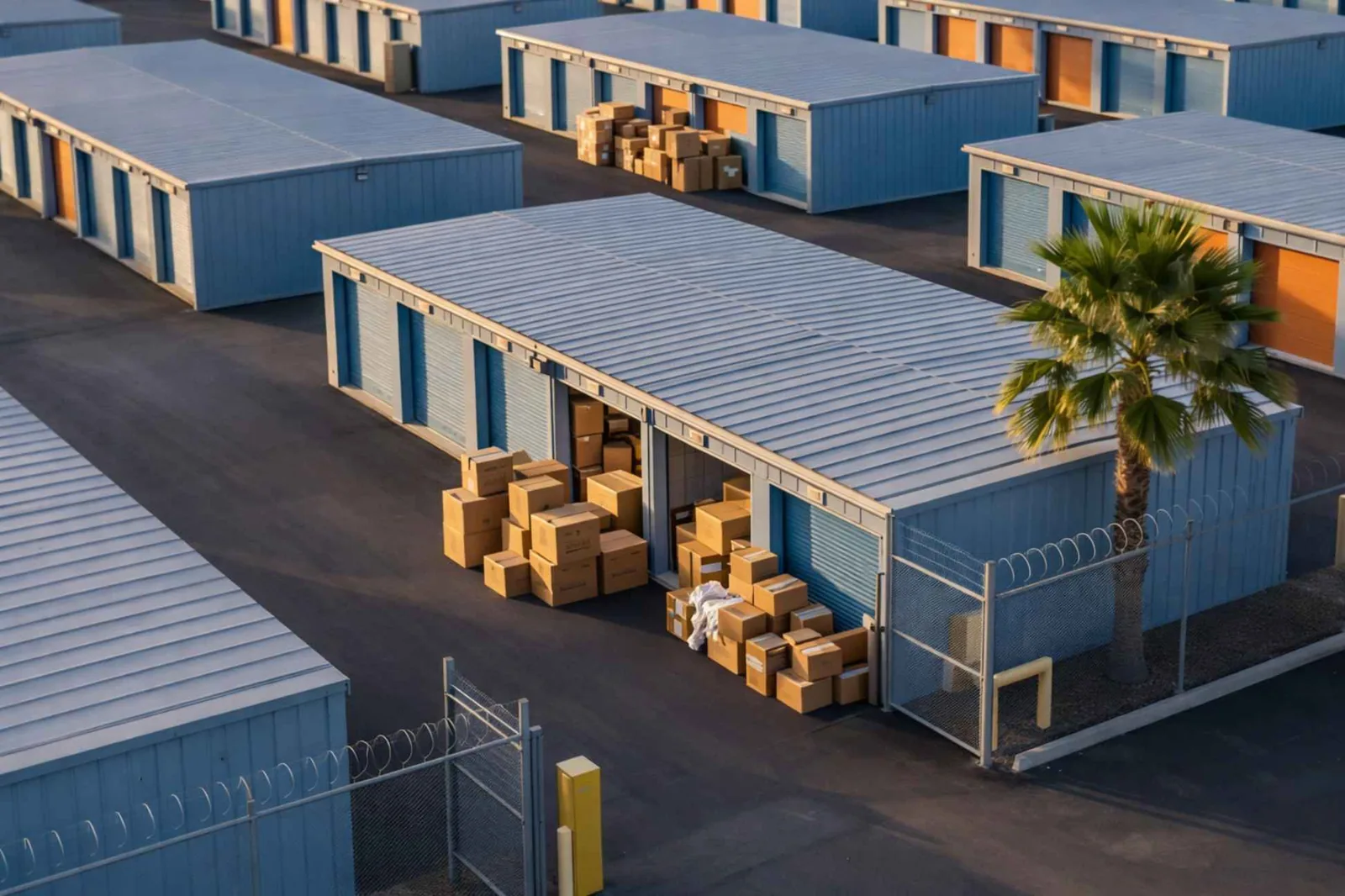
A self-storage inspection sheet opens with a count: how many buildings the site has, how many roof sections each has and how many of them are metal. A site with twelve long buildings is twelve roofs with the same details repeated, and a defect found on one is a question to ask of the other eleven. The count turns a sprawling property into a manageable list.
Facilities in Mission, TX store customers' property, and a leak damages that property and creates a claim against the operator. We document each roof finding by finding, with dated photographs tagged to a building and a section, so a manager can trace where water enters and an owner can set a budget.
Findings on Long Metal Roofs and Low-Slope Blocks
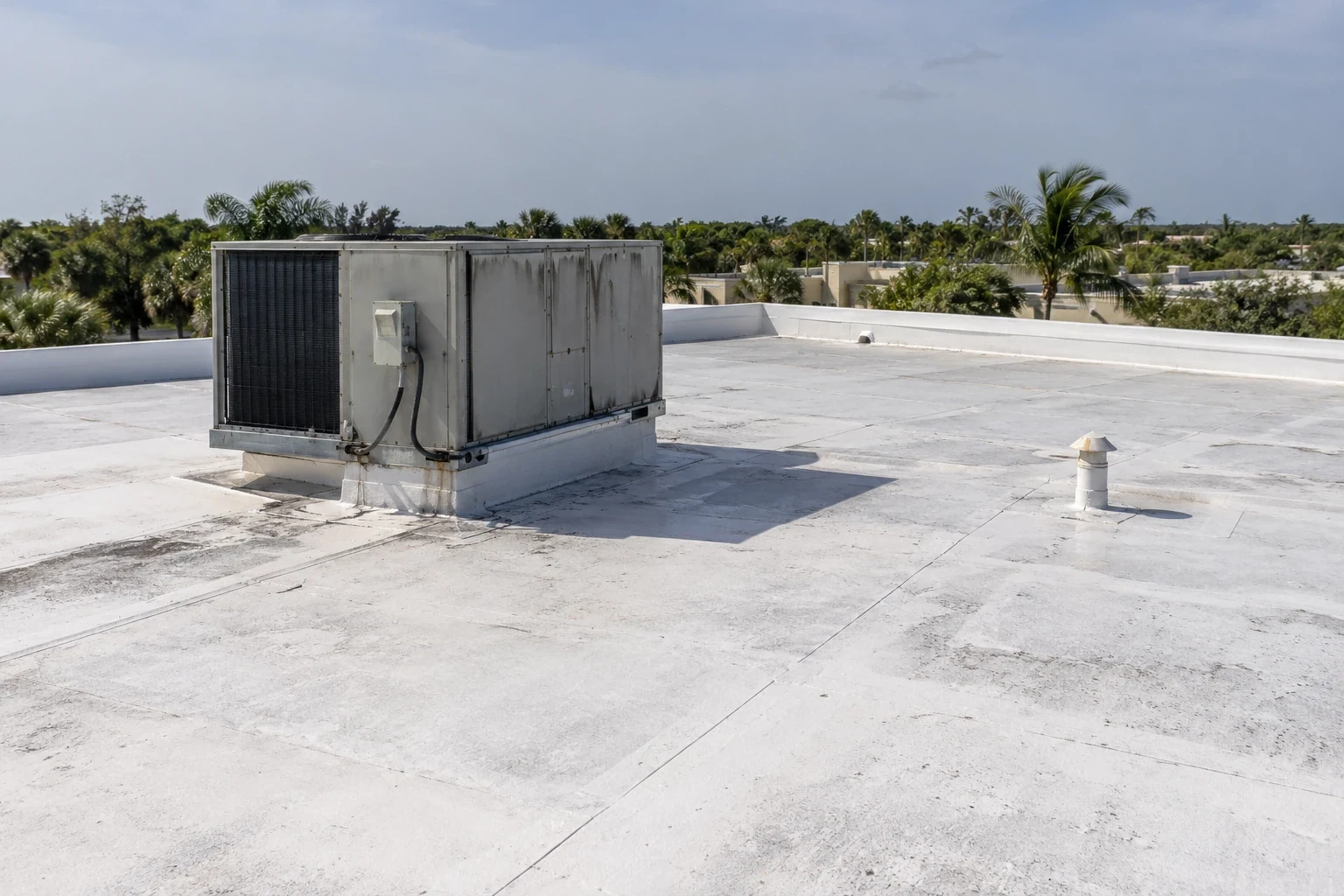
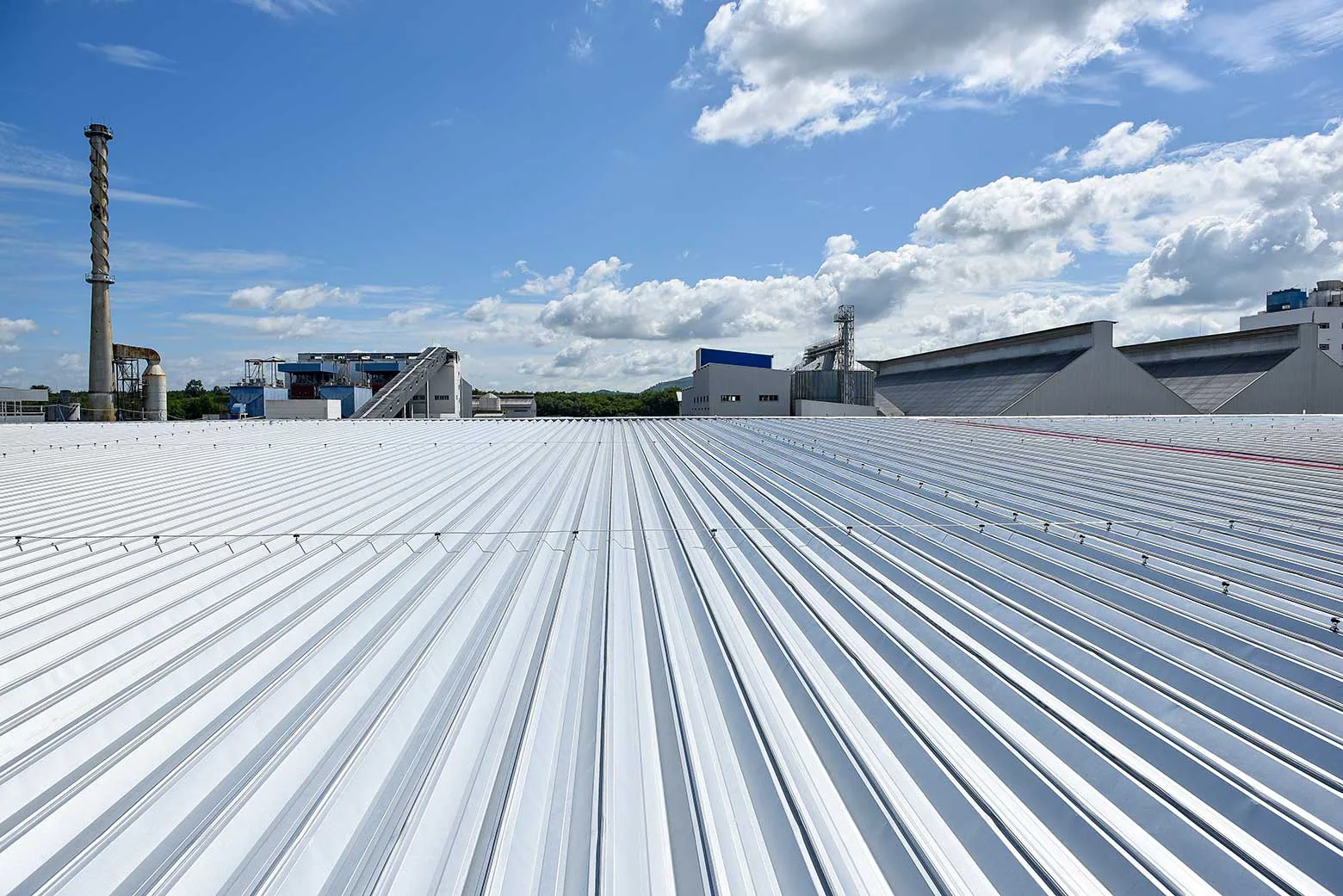
Self-storage roofs come in two broad types. Long metal buildings have panels, fasteners, ridge caps and end walls. Multi-story or climate-controlled blocks have low-slope membranes, parapets, drains and rooftop units. Each type has its own recurring defects.
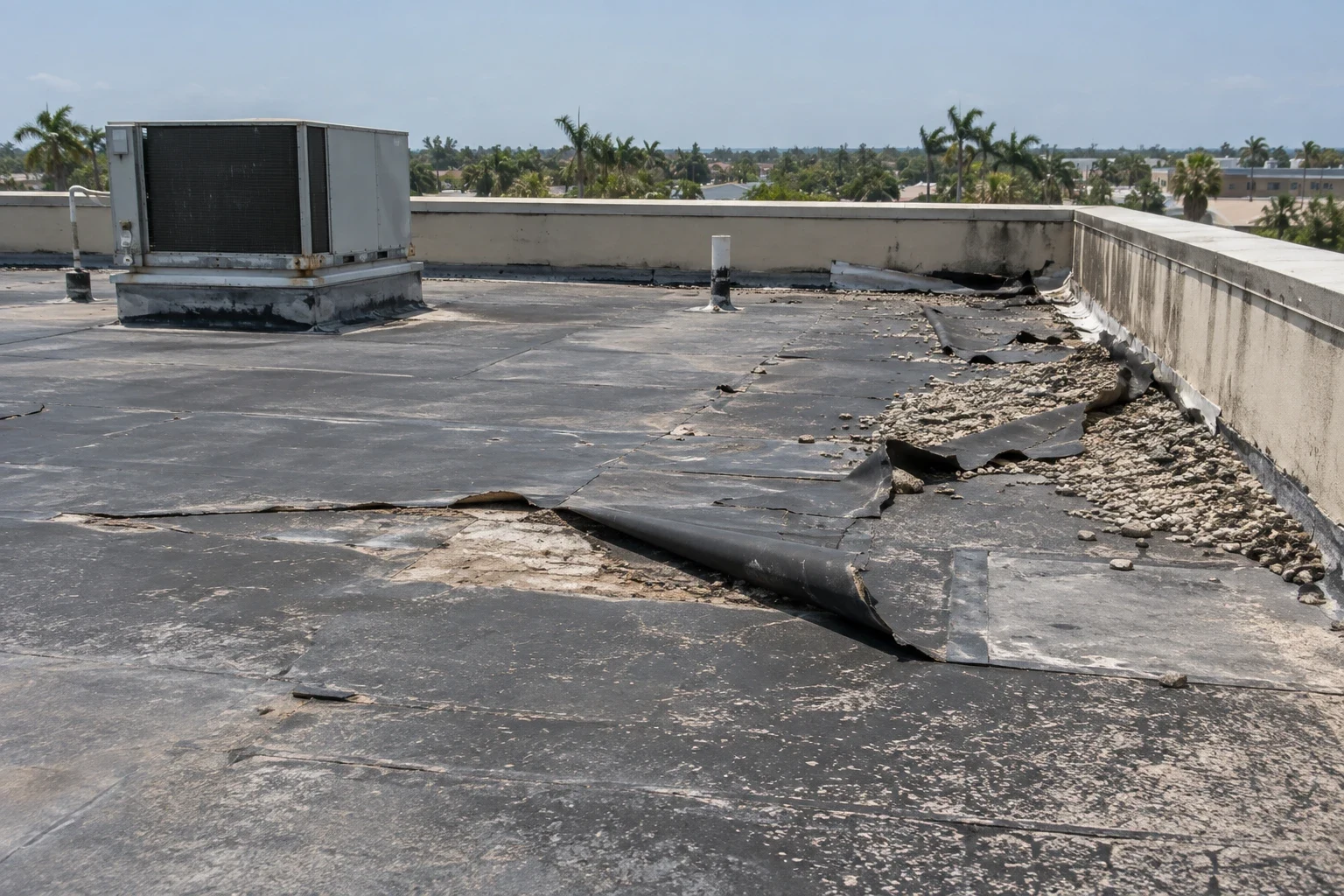
On metal roofs the walk turns up fasteners that have backed out, sealant split along laps, rust at cut edges and loose ridge or eave trim. We take a fastener pull sample at set intervals along each slope. On low-slope roofs we look at seams, flashing, drains and ponding. Every finding gets a photograph, a building tag and a rating.
End walls and roll-up door headers are checked from the roof edge. Water that runs down an end wall can reach the top of a door, and a stain on the header is often the first sign of a failed edge seal. Each is photographed and tagged to its building.
Skylight panels and translucent ridge sections, where they exist, are rated separately. A cracked panel is an obvious opening, but a loose one is quieter, and the summary records both.
A Condition Record for a Multi-Building Site
The record is built as a table. Rows are buildings and sections. Columns are roof type, approximate age, number of findings, highest rating and the finding that drives the rating. A manager can sort it by rating and see which buildings need money first.
Photographs are stored by building number and date. When a customer reports a wet unit, the manager can find the roof section above it, open the last inspection photograph and see whether the cause was already logged. That shortens the claim conversation and focuses the repair.
The record notes the age of each building where it is known, since a site often grows in phases. A building from the first phase may have a different panel gauge or fastener type from a later one, and the table shows the difference so the repair scope fits each.
Photographs of the roof are paired with photographs of the ceiling below where the manager can reach it. A stain, its location and the roof section above it appear side by side, which makes the claim file easy to read.
Scope Lines by Roof Type
For metal roofs, scope lines cover re-fastening, sealant renewal, panel replacement and, where the substrate is sound, a coating restoration. A metal roof retrofit over the old panels is an option where the structure allows it. For low-slope blocks, lines cover seams, flashing, drains and sections of membrane.
Each line cites the finding behind it and the area affected. The summary also states what can be done unit by unit, so that tenants are not all displaced at once, and what requires an entire building to be emptied or protected.
Rust is treated as a finding with a rating. Surface rust on a coated panel can be treated and sealed, while perforation means the panel is replaced. The scope separates the two and gives the quantity of each from the walk, so a bid does not guess.
A Pre-Storm Baseline for Metal Roofs
Wind finds loose metal first, and wind damage on a long panel roof often starts at the eave. Ahead of the hurricane season, the baseline logs pull values for fasteners, how ridge and eave trim is attached and the state of panel laps. If a storm comes, the comparison shows exactly what moved.
The baseline also records drains and downspouts at the ends of buildings. Heavy rain from a tropical system can overwhelm a small downspout, and a flooded site stresses everything. Valley flood preparedness runs year round, and the drain log is a record of that readiness.
The baseline sheet also lists what loose items on the site could become projectiles: signs, lighting, trash bins and equipment on the roof. Securing them is outside the roof scope, but listing them is part of readiness.
Post-Storm Comparison and Claims
Flooding and sheet-metal roof damage marked Hanna's July 2020 passage across Mission and McAllen, and I-2 winds ran near 60 to 65 mph; the hurricane damage record starts there. After a storm, a storage site with metal roofs is checked for peeled panels, lifted ridge caps and open laps, and the comparison identifies each one.
An owner can then tell an insurer which buildings were affected and how, with dated before and after photographs. A site with a baseline can answer the question an adjuster raises early: what was it like before?
Options, Phasing and Customer Access
Options for a metal roof range from re-fastening and sealing, through a coating, to a retrofit or panel replacement. Options for a low-slope roof range from patching to section replacement and recover. Each option is tied to the finding that favors it, and the order is chosen to spread cost across several years.
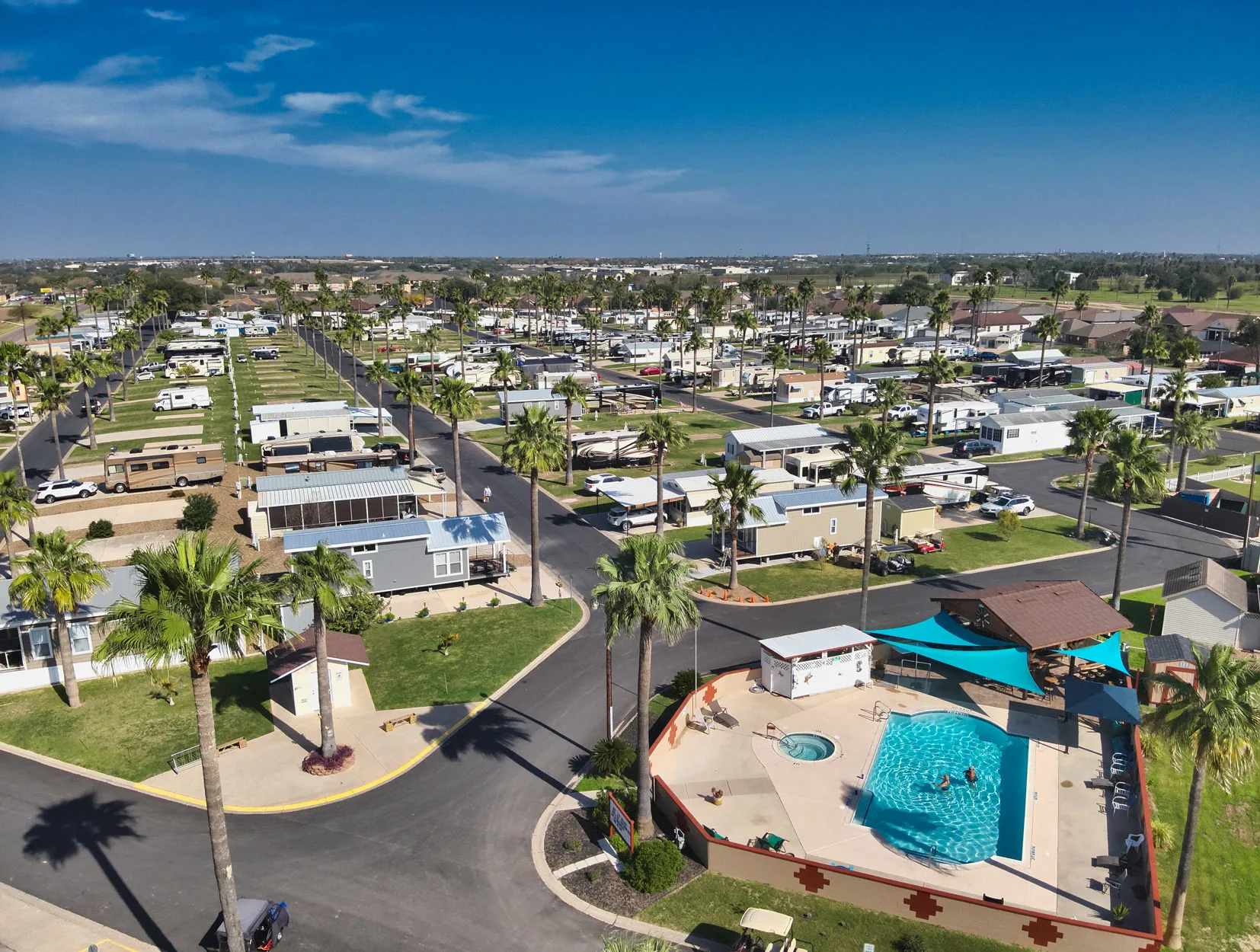
Phasing is by building. Customers keep access to units outside the work area, and the plan protects any open unit below a roof being repaired. A storage site in a fast-growing place such as Alton or Palmview, where new schools and commercial construction followed population growth, uses the same format as a warehouse or a flex industrial building nearby.
The recommendation closes with a maintenance note: clear gutters each season, retighten trim after wind, and log any new stain with a date. Those small steps keep the next inspection short and the file accurate.
Questions and Answers
When should self-storage roofs be walked each year?
In spring before the tropical season, and again after each named storm or heavy rain. We recommend adding a short walk each fall to log backed-out fasteners and drain debris.
How is a fastener pull sample taken?
A gauge measures how much force it takes to pull a sample fastener from the structure. We recommend taking samples at set intervals along each slope and recording them by building and date.
Can a metal roof be coated instead of replaced?
On a sound metal roof with intact panels and adequate fastening, a coating can extend service life. We recommend re-fastening first, a rust treatment where needed and a film check after the coating.
How do you protect stored property during roof work?
By working building by building and protecting open units below the work area. We recommend giving customers notice and keeping an inventory of units affected.
What should a manager do when a customer reports a wet unit?
Log the date and unit, find the roof section above it and open the last photograph. We recommend a short written note of the cause before any repair is made.
Does heat damage storage roofs?
Over months, yes. Heat-safety season in the Valley runs May to October, and sealants and coatings soften and age under it. We recommend logging coating film condition and sealant elasticity each spring.
Request a Documented Inspection
Ask for a documented inspection of your storage site. The written condition summary will include tagged photographs, a building-by-building table, fastener pull results, a drain and scupper log and scope lines you can reuse for budgeting or an insurance conversation.