
Roof Systems
Acrylic Roof Coatings in Mission, TX
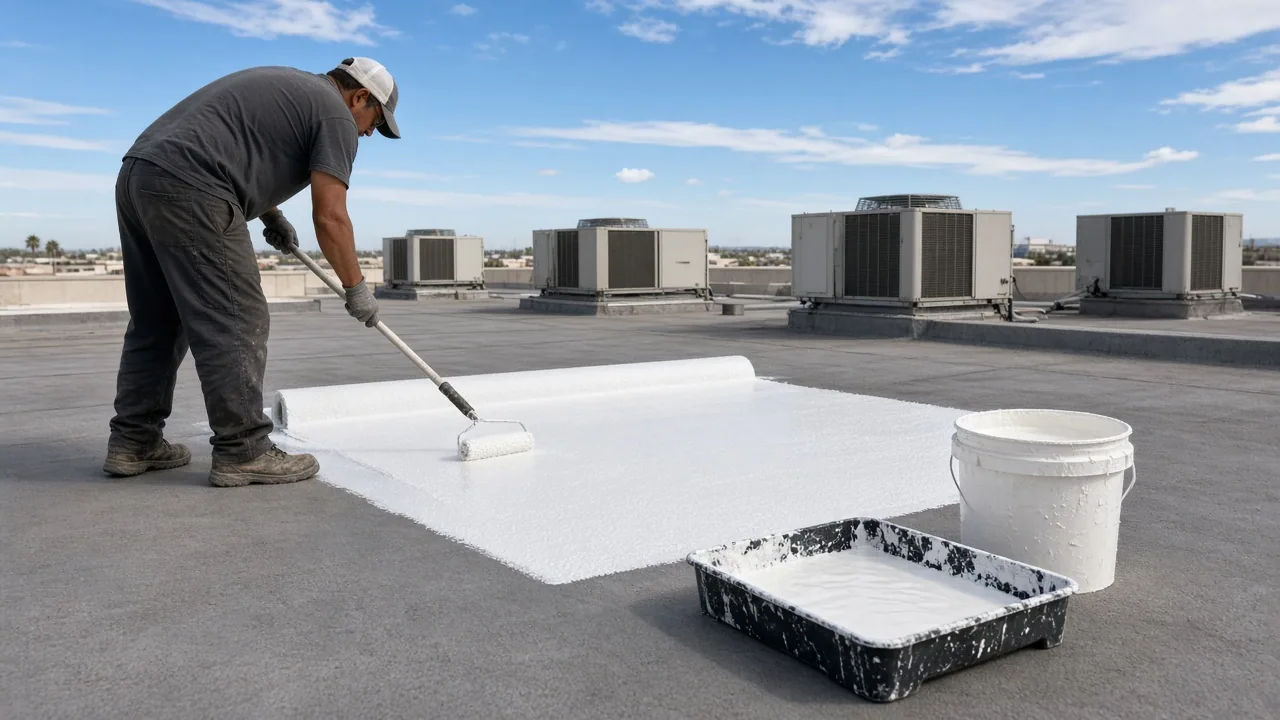
Dry insulation is the entry that has to appear on the sheet before an acrylic coating can be recommended in Mission, TX. The inspector marks moisture readings on a rooftop sketch, confirms them with core cuts, and photographs the surface for chalking and dirt. Acrylic coatings are water-based, reflective, and economical on roofs that drain reliably. They fail quickly on roofs that hold water, so the record of drainage is as important as the record of the surface.
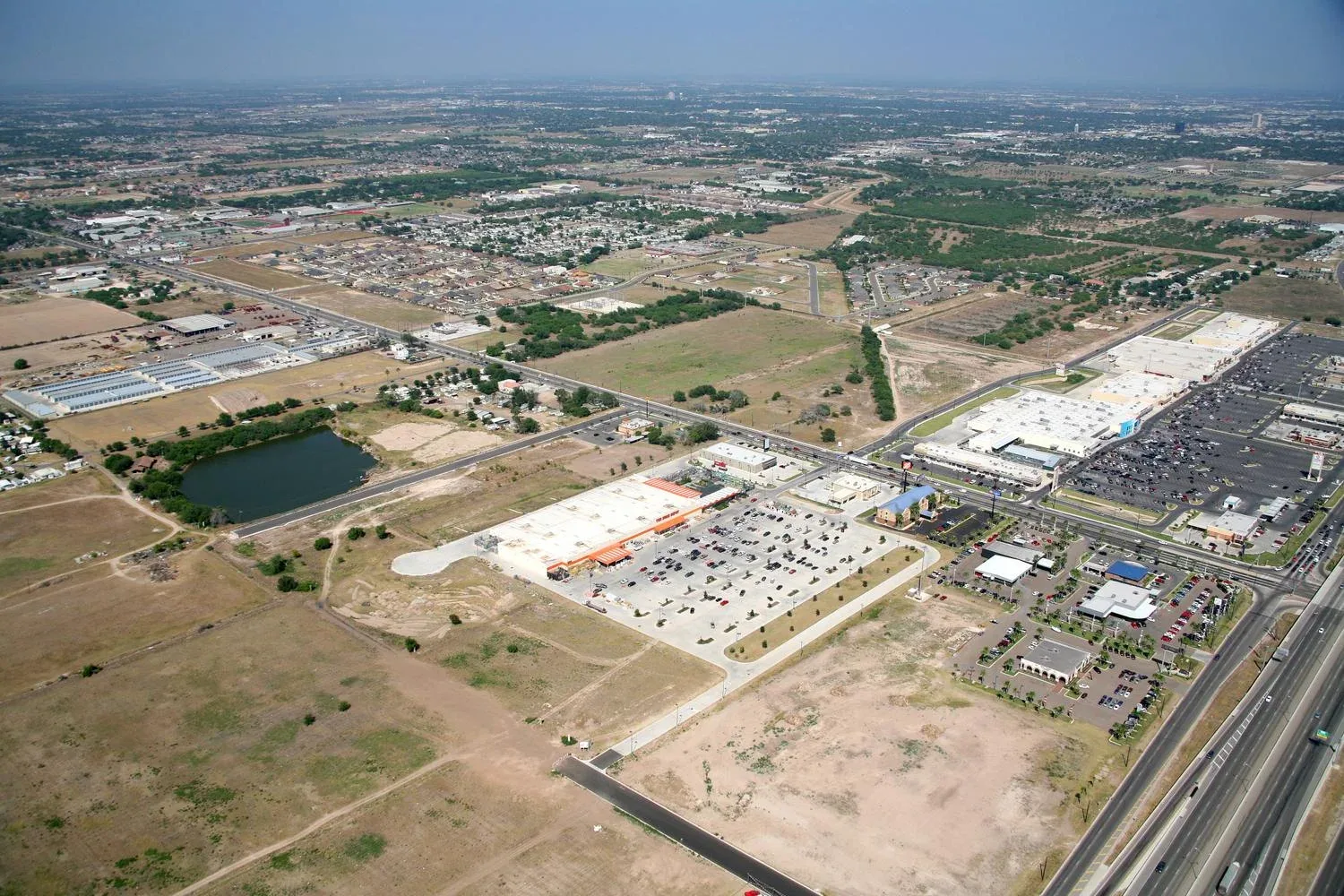
A Water-Based Film on Sound Roofs
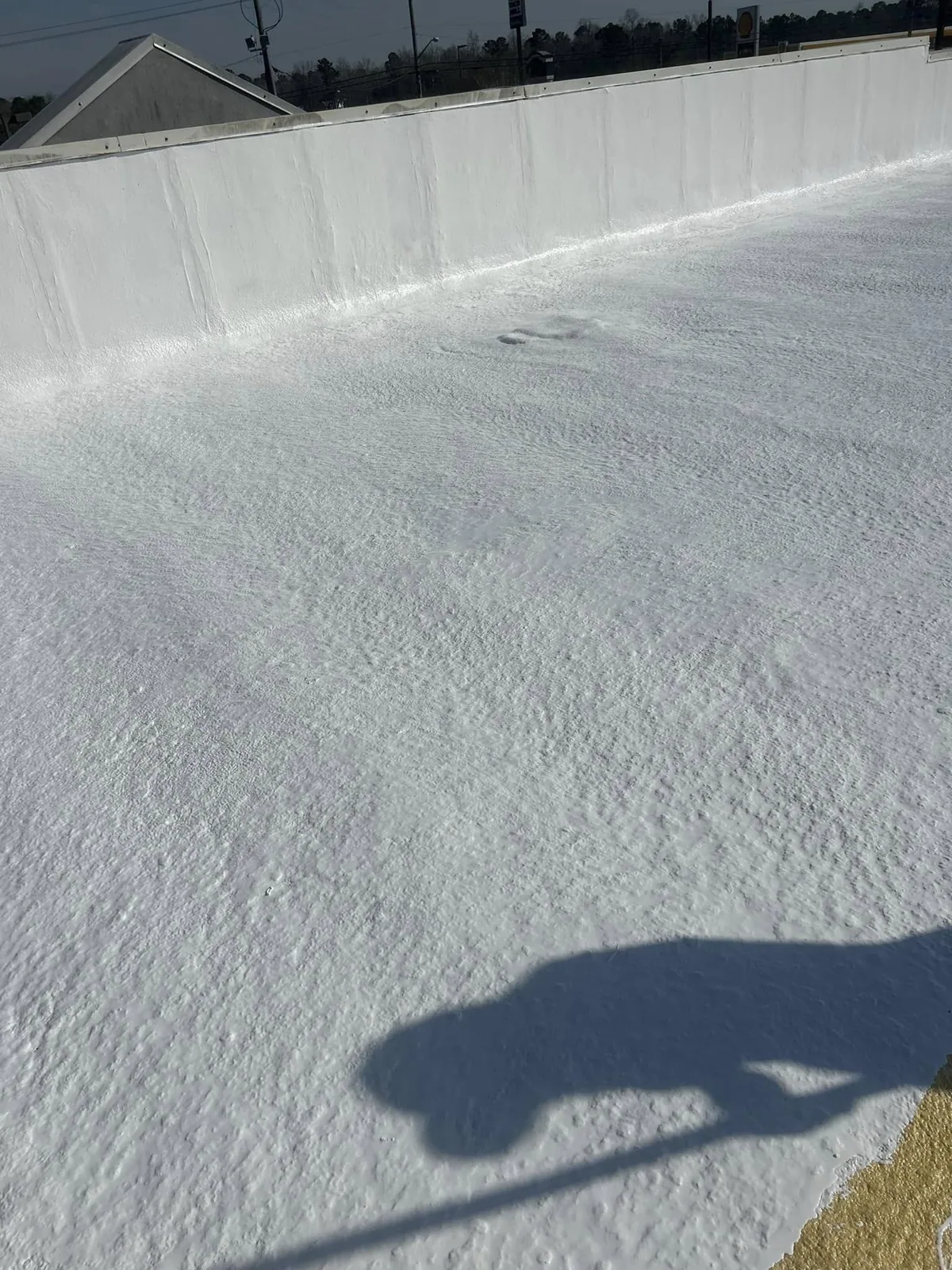
Acrylic roof coatings are polymer emulsions that cure as water evaporates, leaving a flexible, reflective film. They go on with spray or roller equipment, clean up with water, and typically carry lower material cost than silicone. White acrylic reflects most of the sun, so surface temperatures run lower than on a dark membrane.
The same chemistry creates limits. Until the film has cured, rain can wash it off. After cure, long exposure to standing water can soften it, and the coating may lift or blister in ponded areas. Acrylic also loses thickness over time as sun and weather wear it, so a maintenance coat is part of the plan. The film suits roofs that shed water within a day of rain.
Substrates matter as much as chemistry. Acrylic performs well on metal, on modified bitumen, on built-up surfaces with a fine mineral cap, and on many single-ply membranes once they are primed. It is a poor match for surfaces that stay damp, and for membranes that shed plasticizer and bleed through the film. The core cut and a small test area show which category the roof falls in.
Cooling the Surface in the Heat Season
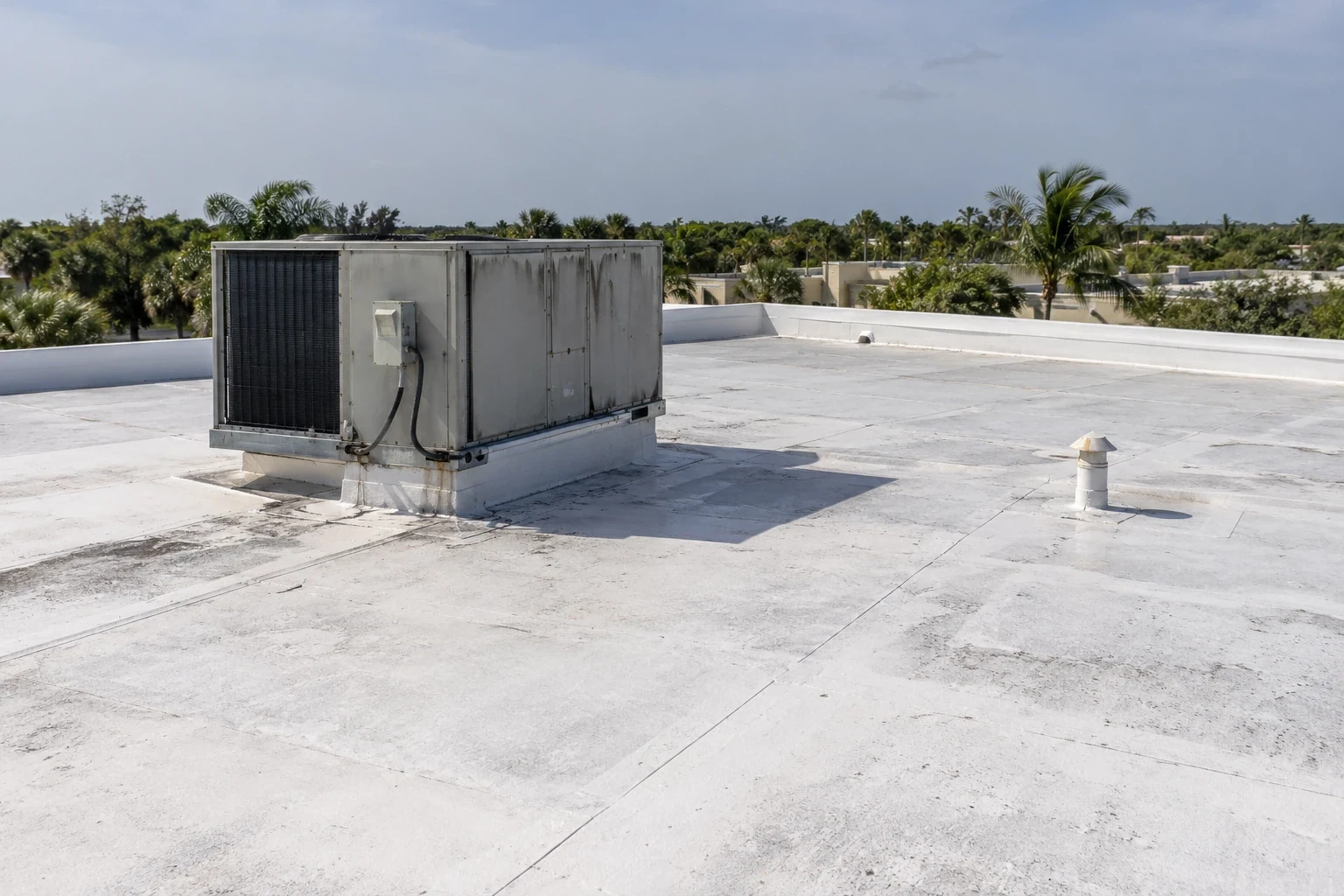
Between May and October the Valley sits in its heat-safety stretch, as the Brownsville weather service frames it. A dark, aged surface can run far hotter than the air. A reflective acrylic brings that temperature down, slows aging in the membrane beneath, and eases thermal movement at seams and flashings.
Inside, rooftop units may work under a lighter load, though the effect depends on insulation, ceiling height, and equipment age. Rather than quote a saving, we record the unit condition and the roof surface at the start so the owner can compare later. Our cool roof installation assessment sets those baselines beside the coating plan.
Reflectance does not last forever. Dirt, mildew, and pollen darken a white surface, and a roof that tested bright in its first season can lose a good share of that reflectivity after a few years of tropical humidity. A scheduled wash restores much of it, and the maintenance record notes the dates of cleaning so changes in surface temperature can be tied to real events.
Ponding Is the Deciding Finding
A gauge northwest of Mission logged 14.40 inches during Hanna in July 2020, and sluggish drainage put neighborhoods near La Joya and Sullivan City under water. Any roof that kept standing water for days after that storm should be examined before acrylic is considered. A level and a photograph of the water line show where the roof holds water and for how long.
If the ponds are small and can be eliminated by adding a drain or a sump, acrylic may still be viable. If they persist, silicone usually fits better. The written findings state which areas drain and which do not, and the owner can see why one coating is preferred, and a spray foam system is raised when added slope and insulation would solve the problem at its source. Low spots that remain are listed for later correction.
Drain and scupper condition belongs in the same discussion. A coating seals around the edge of a drain bowl, so a bowl with a cracked clamping ring or a loose strainer must be repaired first. We clean every outlet, record what was removed, and test flow with a hose before the first coat. Overflow scuppers are measured against the new surface height, so they still protect the building if a main drain clogs.
Cleaning, Seam Work, and Primers
Acrylic bonds to a clean, dry surface. The roof is washed to remove dirt, chalk, mildew, and oils, then allowed to dry. Seams on single-ply roofs are checked and, where open, reinforced with fabric and mastic. Penetrations and curbs receive sealant and a heavier coat. Loose metal is fastened and rusted spots are primed.
Certain substrates need primers. Some single-ply membranes, aged bitumen, and metal roofs have different requirements, and the wrong primer can cause delamination. A small test patch is coated, allowed to cure, and then pulled to prove adhesion. The result goes into the file with the date and weather, and the choice of primer is recorded alongside it.
Weather planning follows. Rain during cure and dew at the wrong hour are the two most common causes of a failed first coat. The crew starts when the roof surface is dry, stops early enough for the film to set, and keeps tarps nearby for pop-up showers during the tropical season. Each day's log lists conditions, product batch, and the area covered, so the file can answer a question years later.
What Acrylic Does Not Fix
A coating does not add attachment strength, structural support, or insulation. Dolly lifted roofs near Weslaco in 2008, mainly on older structures, and Hanna in 2020 did most of its damage to the roofs of poorly built Valley structures. A weakly attached edge remains weak under a fresh coat, so edge metal, fasteners, and flashings are repaired first.
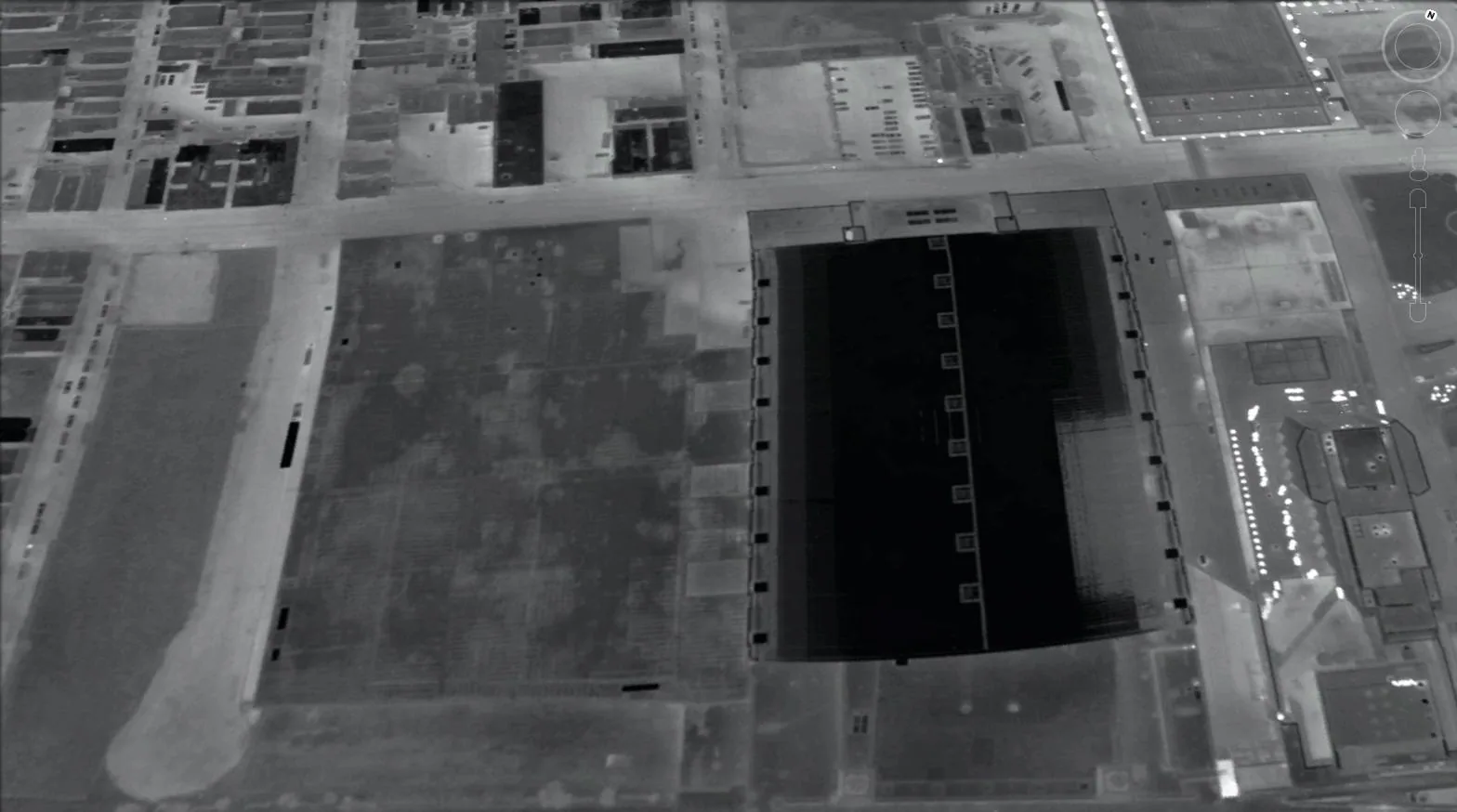
Wet insulation also stays wet. The infrared moisture survey finds saturated areas, and those areas are cut out and replaced before coating. A roof coating restoration proposal that ignored these items would only delay a larger bill, so the findings come first.
Film Checks and Recoat Planning
Dry film thickness is measured at marked test points after cure, and the readings are recorded. Wet film is checked during application so the crew applies the specified amount per coat. Corners, drains, and penetrations receive extra attention, since those spots wear first.
At each yearly visit, the inspector photographs the same test points and compares chalking, dirt, and thickness against the earlier record. A maintenance coat is scheduled when the film nears its minimum. Owners in Palmhurst, Mission, and neighboring towns receive the same record, and shopping center roofing owners with several tenants can budget a coating cycle across buildings.
Questions and Answers
How long must the weather stay dry after an acrylic coat goes on?
The film needs enough dry hours to cure before rain touches it, and humid tropical-season mornings can slow the process. We watch the forecast and dew point, and we stop if showers threaten. A partly cured coat is covered or left until conditions improve, and the daily log records what was applied.
Is acrylic enough for a roof that drains well but has an aging membrane?
Often yes, if the membrane is sound and the insulation is dry. The coating reflects heat and slows further aging. If the membrane cracks when flexed or seams are open across the roof, coating cannot hold it together, and a recover or replacement is the better route.
What does acrylic cost compared with silicone?
Material cost is generally lower for acrylic, but total cost follows preparation, the number of coats, and the amount of seam and flashing work. We price each roof area from the findings and show the drivers, so the owner can compare acrylic with silicone for that specific roof.
Can acrylic be recoated later?
Yes. Acrylic accepts another acrylic coat after cleaning, and the recoat renews thickness and reflectance. Our file shows the original product, the dates, and the film readings, so a later crew knows what is on the roof. Switching to another coating family requires its own adhesion test.
Do coatings change the warranty position on an existing roof?
They can. An existing manufacturer warranty may have conditions about coatings or modifications, and the owner should check the terms before work. We document the roof's condition before coating, with photographs and moisture readings, so the file is complete for any later review of the terms.
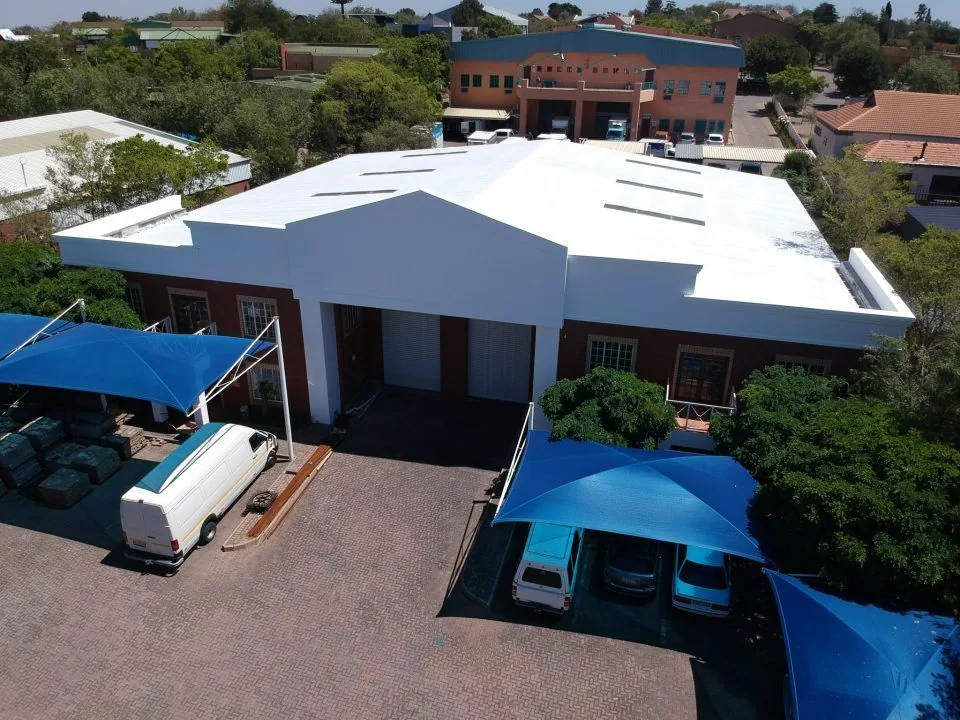
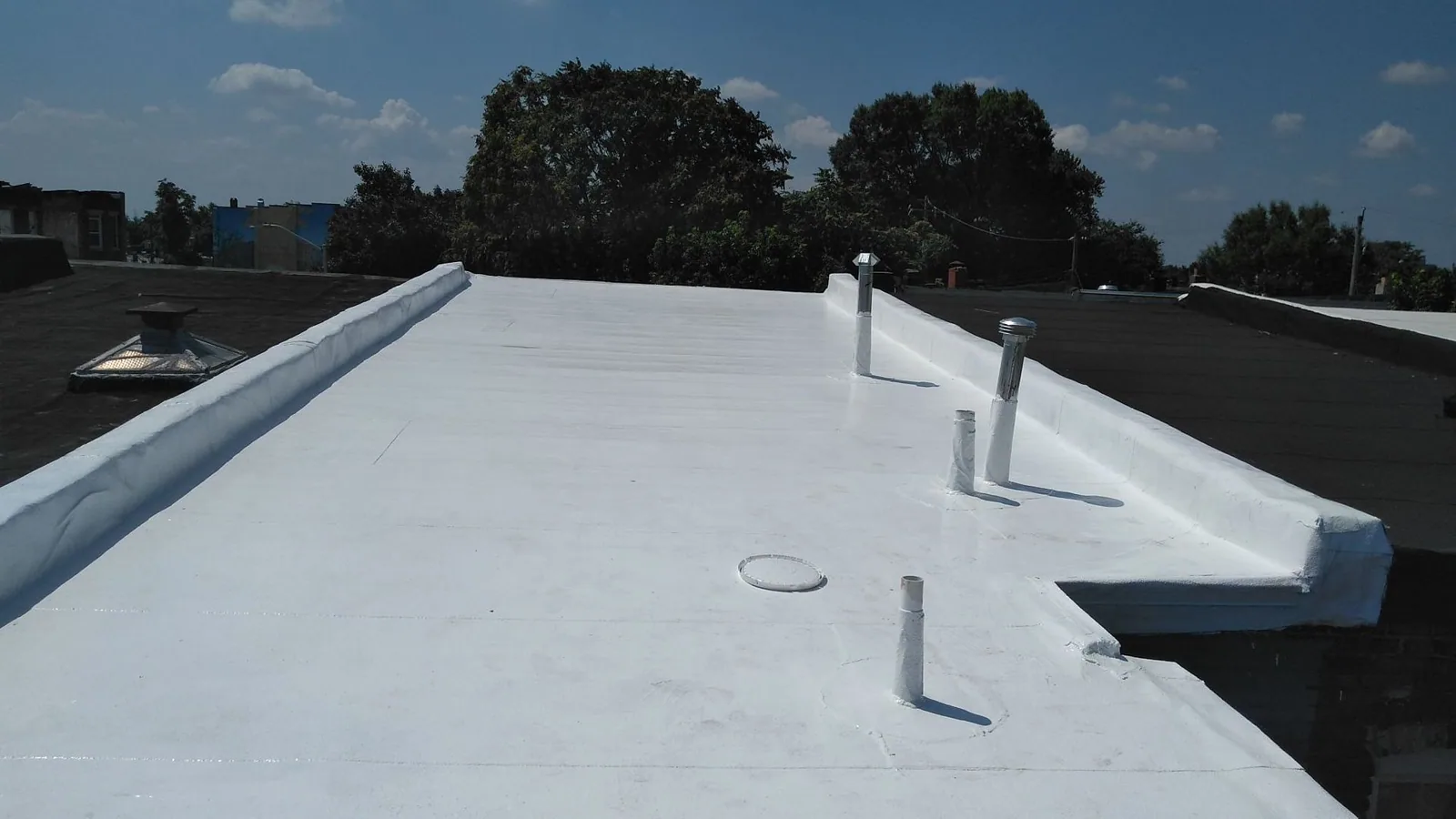
Ask for an Acrylic Coating Review
Request a visit to your Mission, TX roof and receive a written condition summary with moisture readings, drainage photographs, adhesion test results, and a recommendation that supports budgeting or an insurance conversation.