
Service Areas
Commercial Roofing in Doolittle, TX
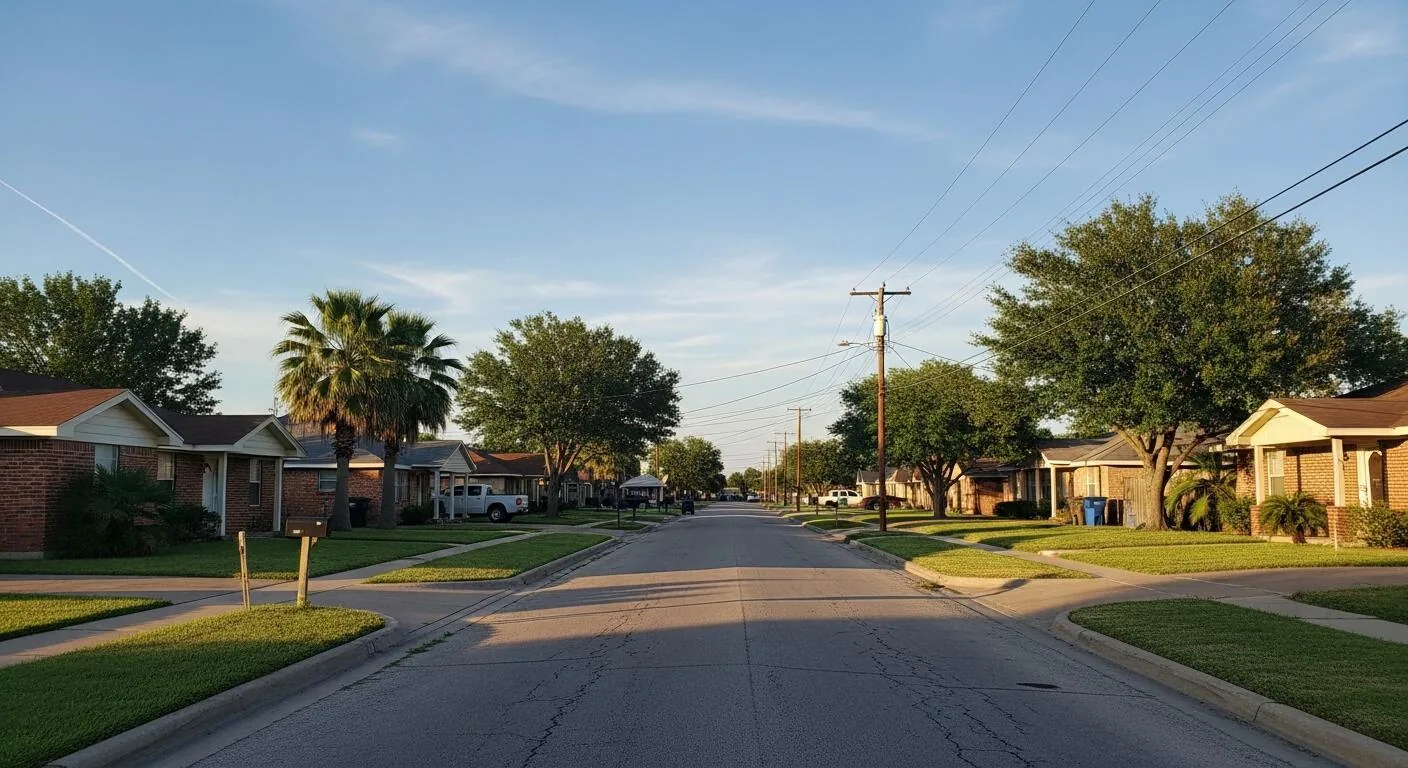
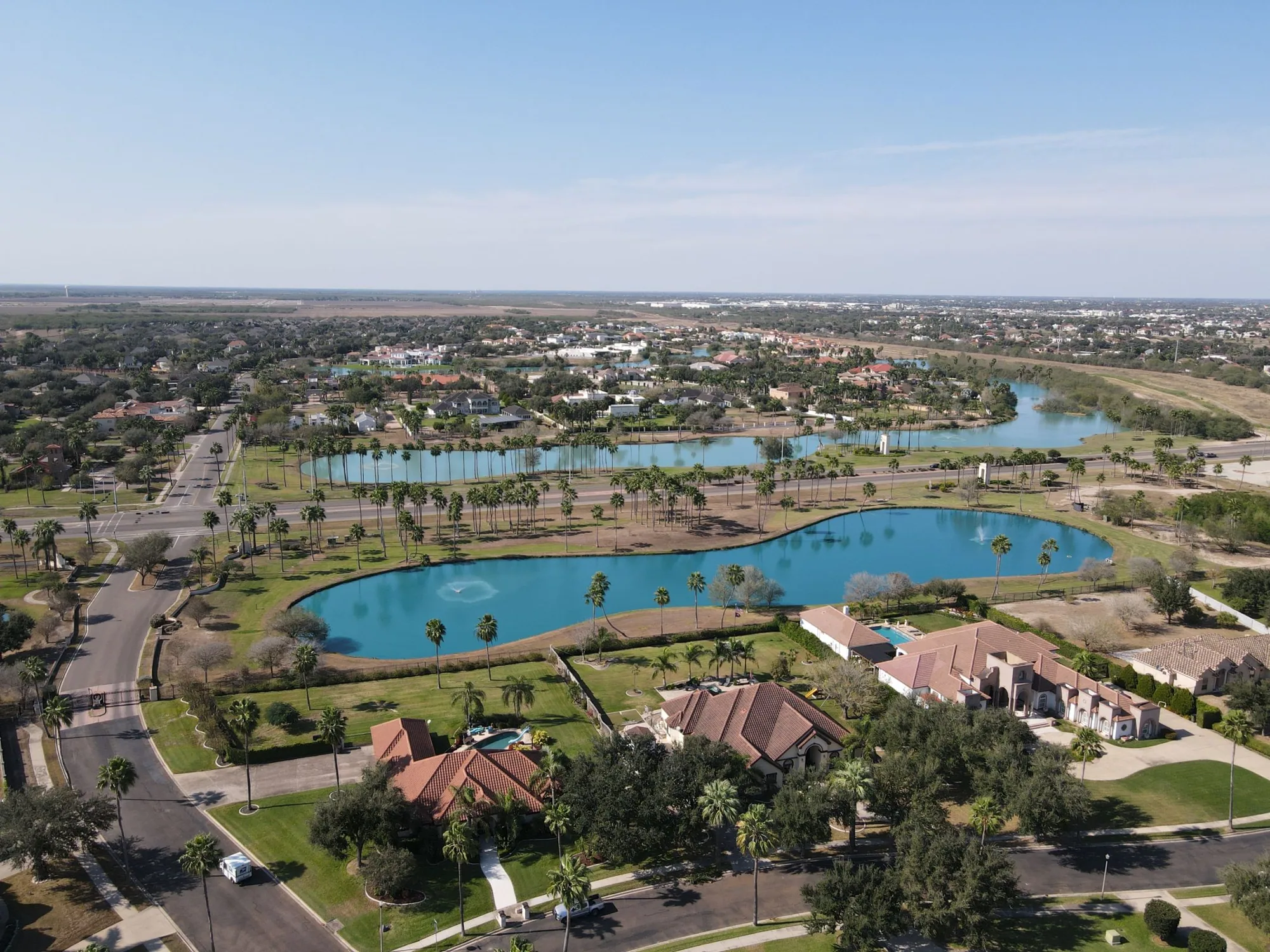
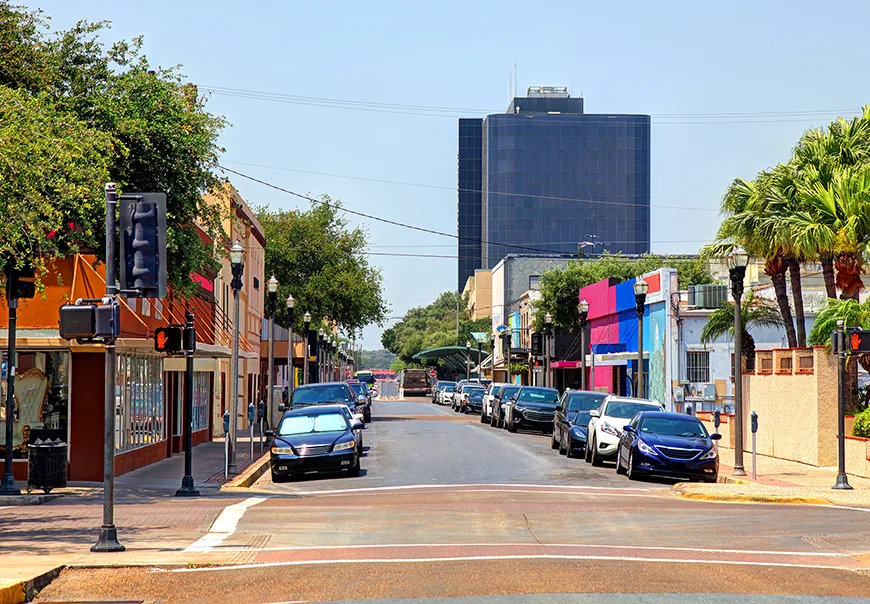
On a roof that is about to be replaced, the entry that decides the budget is often a core sample: a small cut through the membrane showing the insulation, the cover board if any and the deck, with a moisture reading at each layer. Doolittle, TX sits at the north end of the McAllen-Edinburg-Mission metro near Edinburg, and its population grew from 2,358 in 2000 to 4,061 in 2020. Edinburg CISD serves the area, and a school or business here often has to stay in use while its roof is worked on.
That expectation shapes how reroofing is planned. The core samples, the insulation choices and the sequence of work are written down before the first panel comes off, so that the building stays dry at the end of every working day and the owner knows what each decision adds to the price.
What a Core Sample Shows
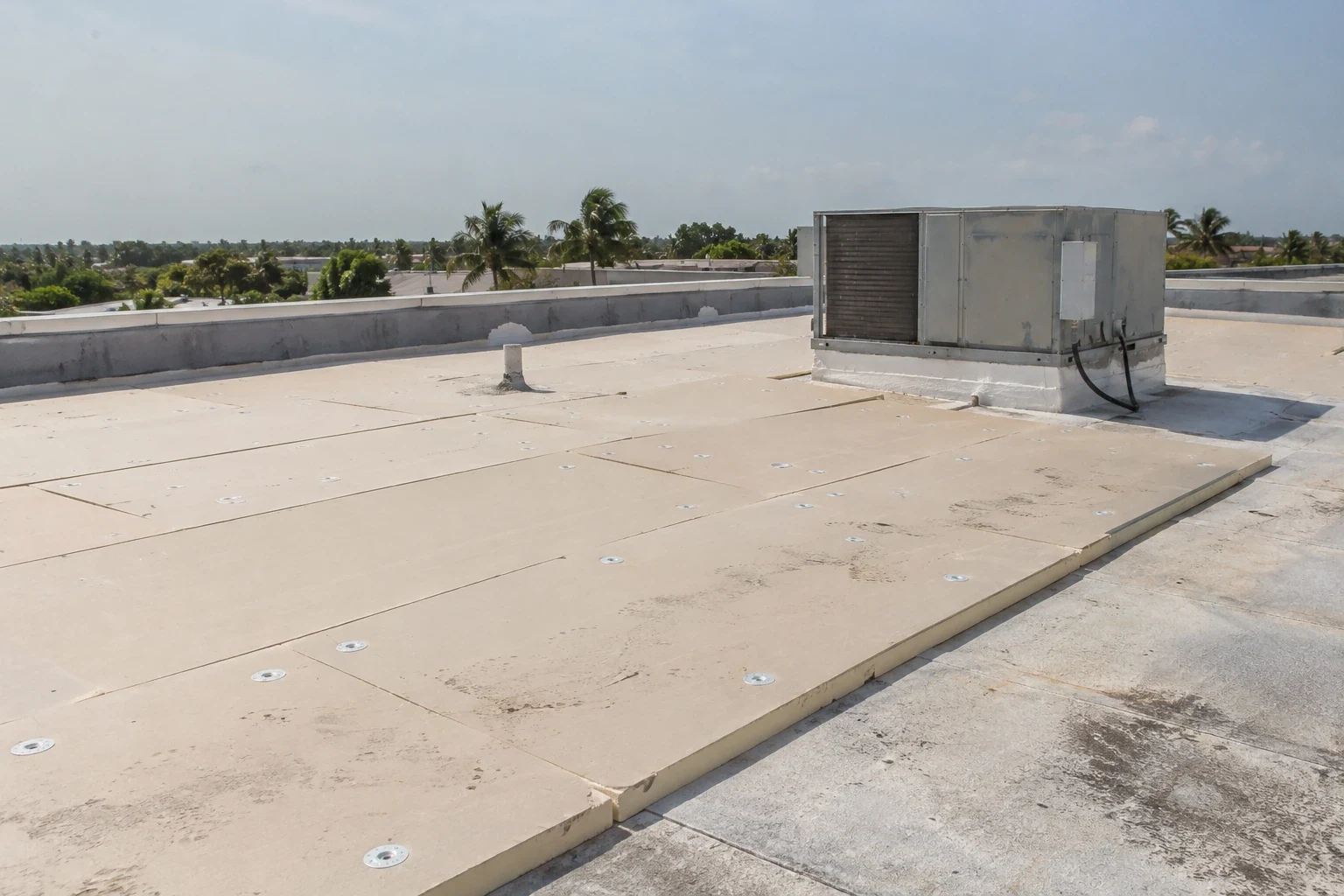
A core is a window into the roof. We cut a small sample at representative points, photograph it and record the layers: membrane, adhesive or fastening, insulation type and thickness, cover board, vapor retarder if any, and deck. Moisture readings at each layer tell us whether water has reached the insulation and how far it has spread.
The cuts are patched and logged, and their positions go on the sketch. Several cores across a roof give a picture of how uniform the system is. A roof with one assembly everywhere is simpler to plan than one with additions and repairs layered over time. The record states which applies, and the scope follows from it.
Insulation Choices at Replacement
When a roof is replaced, the insulation is an opportunity. Wet board is removed and replaced. Dry board may stay if it passes tests. New board can be thicker to improve thermal performance or tapered to create slope toward drains. The choice affects flashing heights, curb details and parapet capacity, so it is made with the whole roof in view.
Roof insulation and cover board decisions are written into the recommendation with the reason for each. Cover board protects the insulation from foot traffic and impact and gives the membrane a firmer base. In a climate with a long heat season, thermal performance matters for the building's cooling load and for the roof's own temperature swings.
Reroofing an Occupied Building
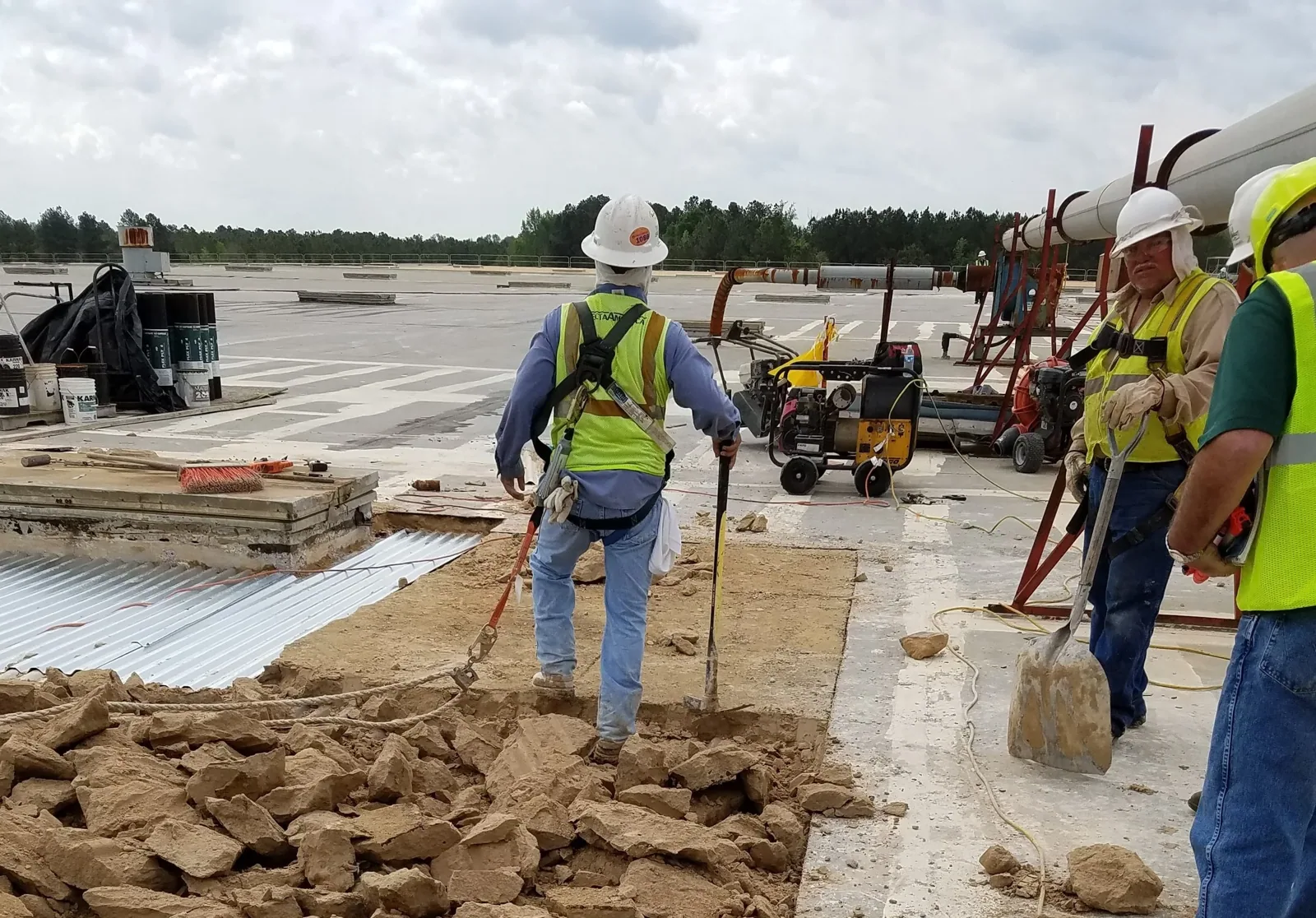
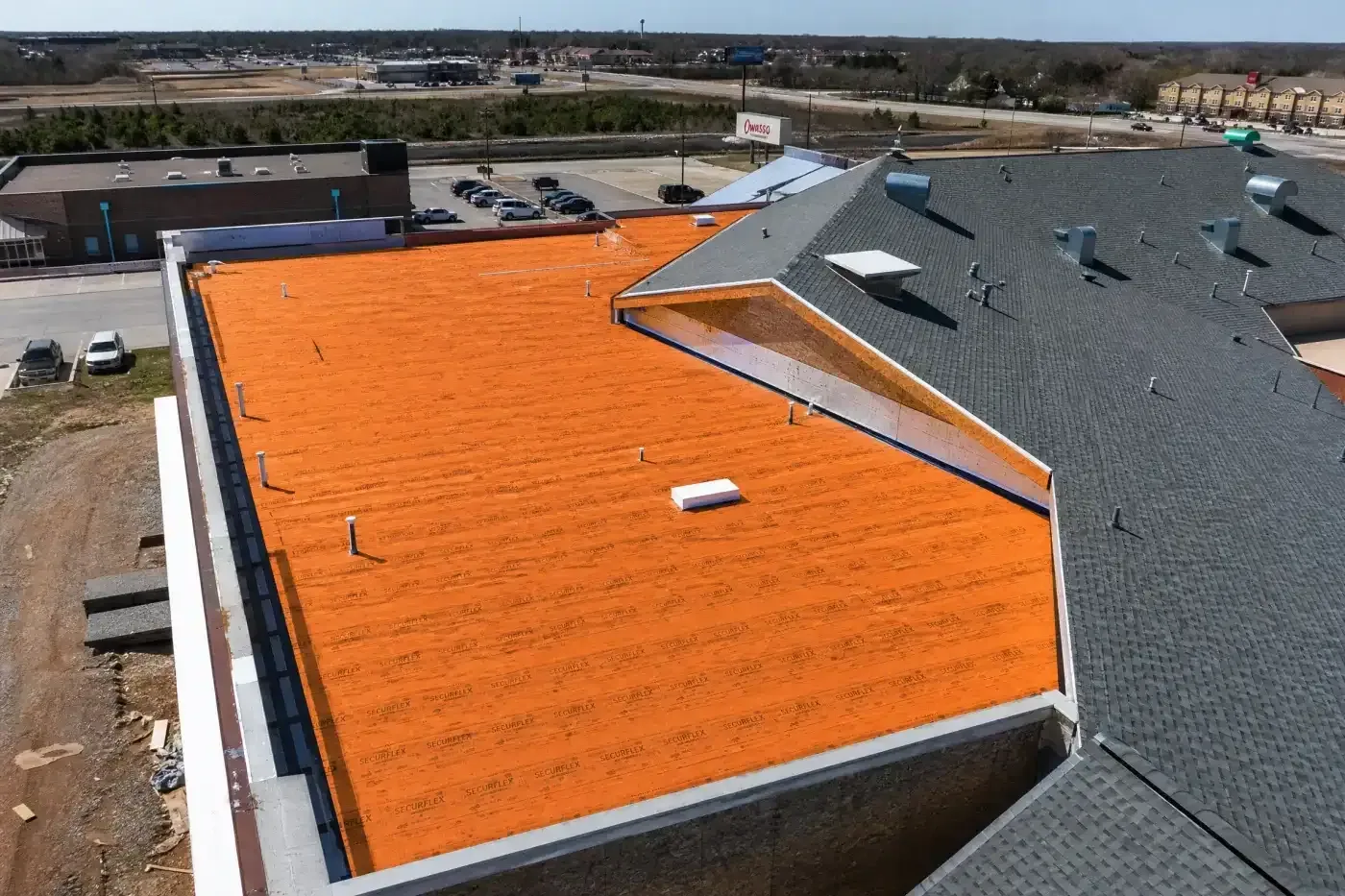
Many buildings cannot close for a roof job. The plan for an occupied building reroof works in sections: strip a section, dry it in with new insulation and membrane, then move on, so that the opening at the end of each day is minimal. Debris is lowered by chute or hoist, not thrown. Walkways and entrances are protected. Noisy stages are scheduled around the hours that matter to tenants.
Roof drains and rooftop equipment are handled in the sequence too. Drains are protected during tear-off so debris does not enter them, and equipment is disconnected, lifted and reset only when the mechanical contractor and the building manager agree on a time. Each of those steps is photographed so the file shows how the roof was left.
We discuss the sequence with the building manager before work starts, and we agree on notice for noisy or dusty stages. For buildings near schools, summer is the preferred window; for others, the quiet months of the tenant's calendar are used. A weather plan states what happens if rain is forecast: sections are covered, work stops and the roof is checked before the next day begins.
Heat and the Working Window
Heat-safety season in the Valley runs May through October, and the roof is in the sun for all of it. Crews work earlier in the day, adhesives and welds behave differently on hot surfaces, and membranes expand as they warm. These affect scheduling and installation methods. Materials are staged in shade where possible, and seams are made at times and temperatures that suit them.
The tropical season occupies June through October, and flood readiness is not seasonal. Hanna in July 2020 brought a foot or more of rain to Mission and McAllen, and a roof under construction in rain like that is at risk. Planning the project for late winter or early spring leaves the roof finished before the tropical season starts.
Flashings and Edges at Replacement
A new membrane is only as good as the details around it. At replacement, every flashing, termination, curb and edge is rebuilt or replaced, not simply covered. Wall bases are raised to the height the new insulation requires. Curbs are rebuilt if the old ones cannot take the new thickness. Edge metal is replaced with a profile and fastening that suit the roof system.
We record each detail before tear-off and again after installation, so the file shows both the old condition and the new one. A detail that was a repeated leak source gets particular attention in the recommendation, and the cause is stated. If the cause was geometry, the new detail changes the geometry. If it was material, the new material replaces it. The point is that the same leak does not return in the same place.
The photographs from this stage are the most useful in any later dispute, since they show what lies under the finished surface. They remain in the file for the life of the roof.
Baselines for the New Roof
When the new roof is complete, we photograph it from set positions: edges, corners, penetrations, drains and seams, with moisture readings from the final survey. That set is the baseline. A year later, the same positions are photographed again. After a named storm, they are photographed a third time.
The record is useful for claims, for warranty notices and for planning. A roof that is only a few years old with a clean record is a better asset in a sale or refinance, and the comparison shows owners where small defects started. Neighboring roofs in Edinburg and Lopezville follow the same format.
Replace, Recover or Repair
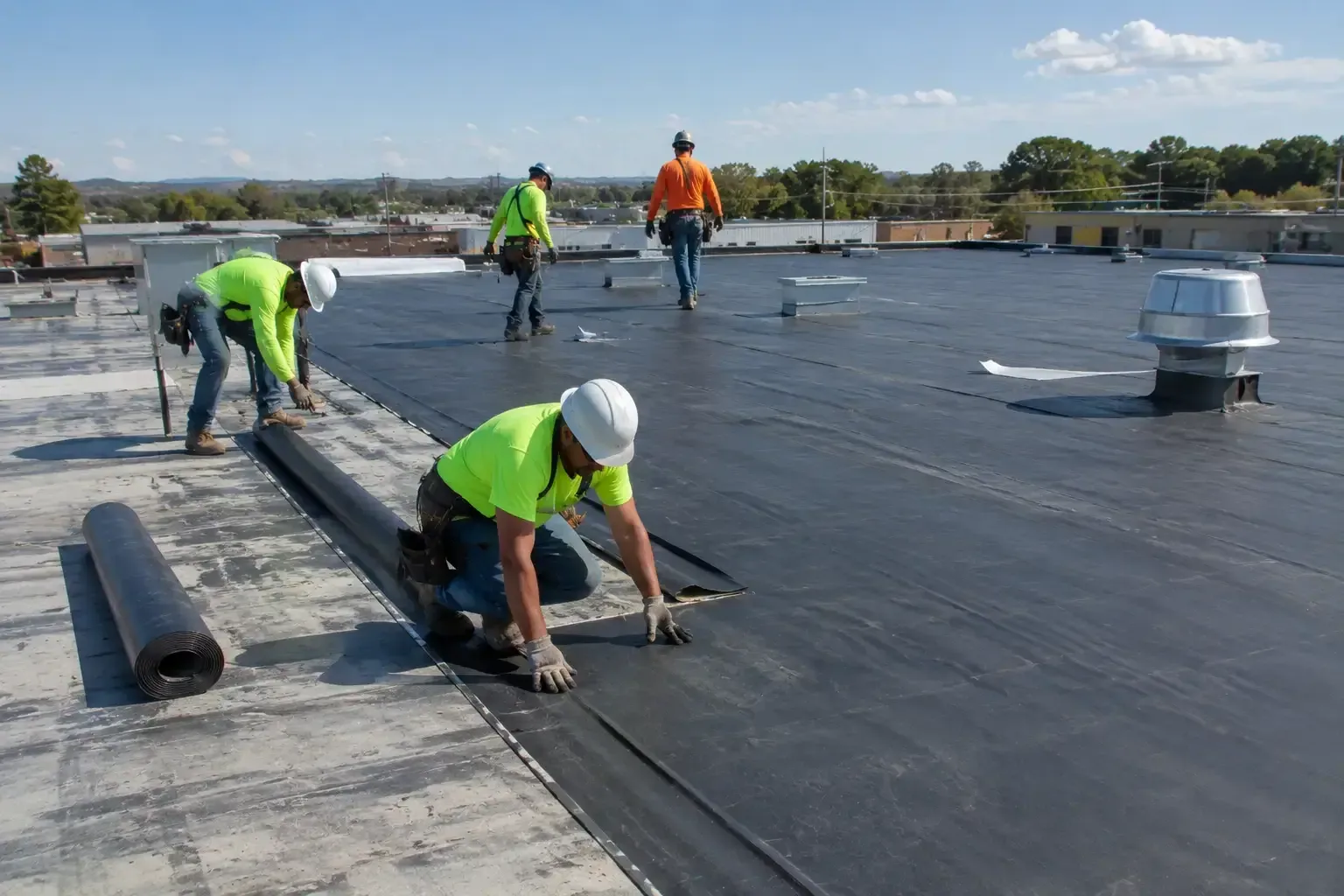
Not every roof that needs work needs replacement. A recover can add a new membrane over a dry, sound base, saving tear-off and disposal. A repair is enough where defects are local and the insulation is dry. Replacement fits roofs with wide wet areas or failed attachment, and the new membrane, whether TPO or another single-ply system, is chosen against the roof's slope, traffic and equipment. A school roof adds calendar limits to the same choice. The core samples and the moisture map decide, and the written recommendation compares costs.
Questions and Answers
Why take core samples before a replacement?
Cores show the actual layers and their moisture content. They tell us what must be removed, what can stay and what the scope should include, which prevents surprises once the roof is open.
Can a building stay open during reroofing?
Usually. Work is done in sections, each dried in before the next begins, with protection for entrances and notice for noisy stages. The plan is written with the building manager before work starts.
What does cover board do?
It protects the insulation from foot traffic and impact and gives the membrane a firmer base. Whether it is specified depends on the roof's use, the insulation type and the system.
When is the best time of year to reroof?
Late winter or early spring, before the tropical season and the peak heat. That leaves a finished roof going into June.
How is the finished roof documented?
With tagged photographs from set positions, moisture readings from a final survey and a list of materials used. The set is the baseline for later inspections.
What happens to rooftop units during a reroof?
Units are disconnected, lifted and reset by the mechanical contractor at a time agreed with the building manager. Curbs are rebuilt as needed, and each step is photographed so the file shows how the roof was left.
Request a Documented Inspection
Ask for a visit to your Doolittle, TX roof and receive a written condition summary with tagged photographs, a rooftop sketch, core results and moisture readings. The summary states which findings call for repair, recover or replacement, and it can be reused for budgeting or an insurance conversation. Start from the contact form.