
Service Areas
Commercial Roofing in Edcouch, TX
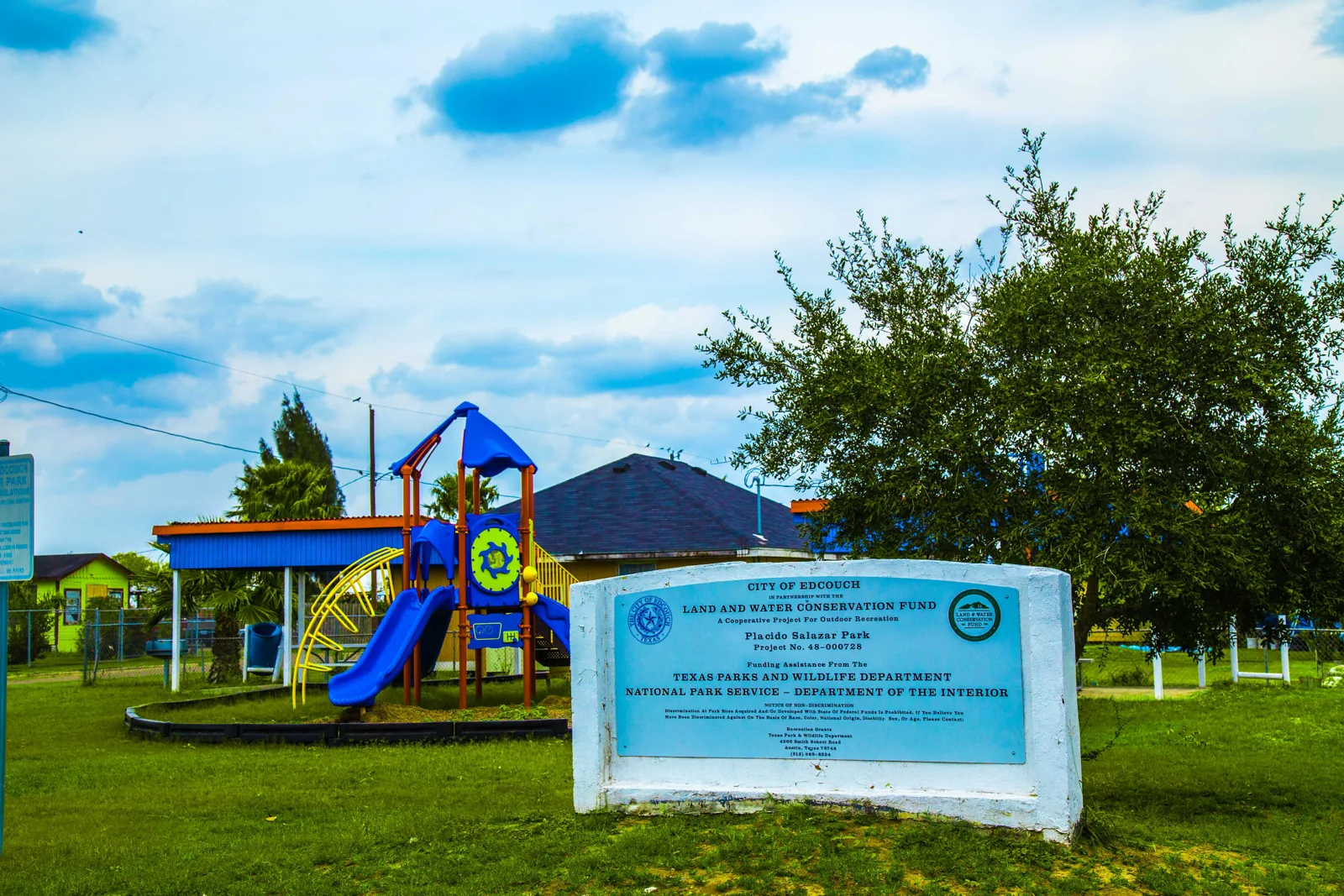
An inspector in Edcouch, TX carries a single line from the weather record onto the roof: Hurricane Dolly in 2008 produced near-hurricane-force winds in eastern Hidalgo County that lifted roofs, mainly on older structures. Edcouch sits at the intersection of State Highway 107 and FM 1015 and had 2,732 residents in 2020. The first entries on a roof sheet here are the building's age, the way the roof is attached, and the condition of its perimeter, because that is where an old roof is tested.
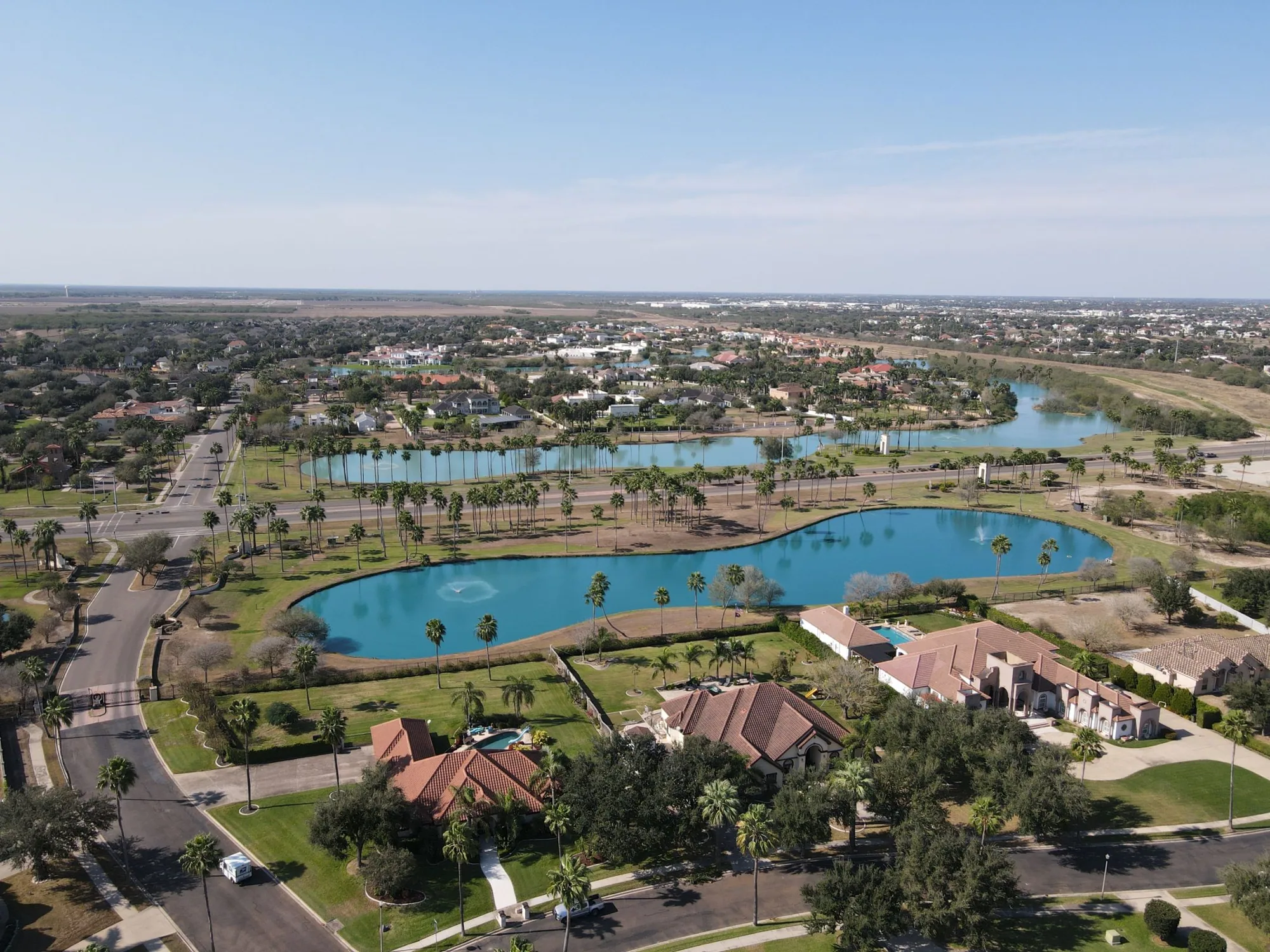
A Crossroads Between Elsa and La Villa
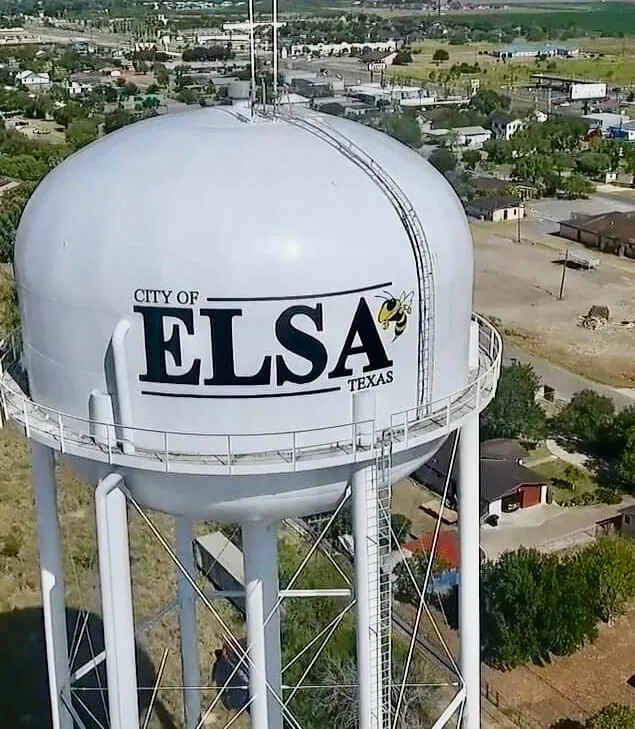
Edcouch is 13 miles east of Edinburg and 22 miles northeast of McAllen, with Elsa to the west and La Villa to the east. The FM 1015 corridor also reaches Progreso, so a roof owner on that road may have properties in more than one of these towns.
Scheduling a visit means planning for distance. We confirm access, building hours, and any hazards with the owner beforehand, and a single trip can cover more than one address. The written summary uses the same sections every time, which makes comparison between buildings straightforward.
What Dolly Tells an Inspector About Older Roofs
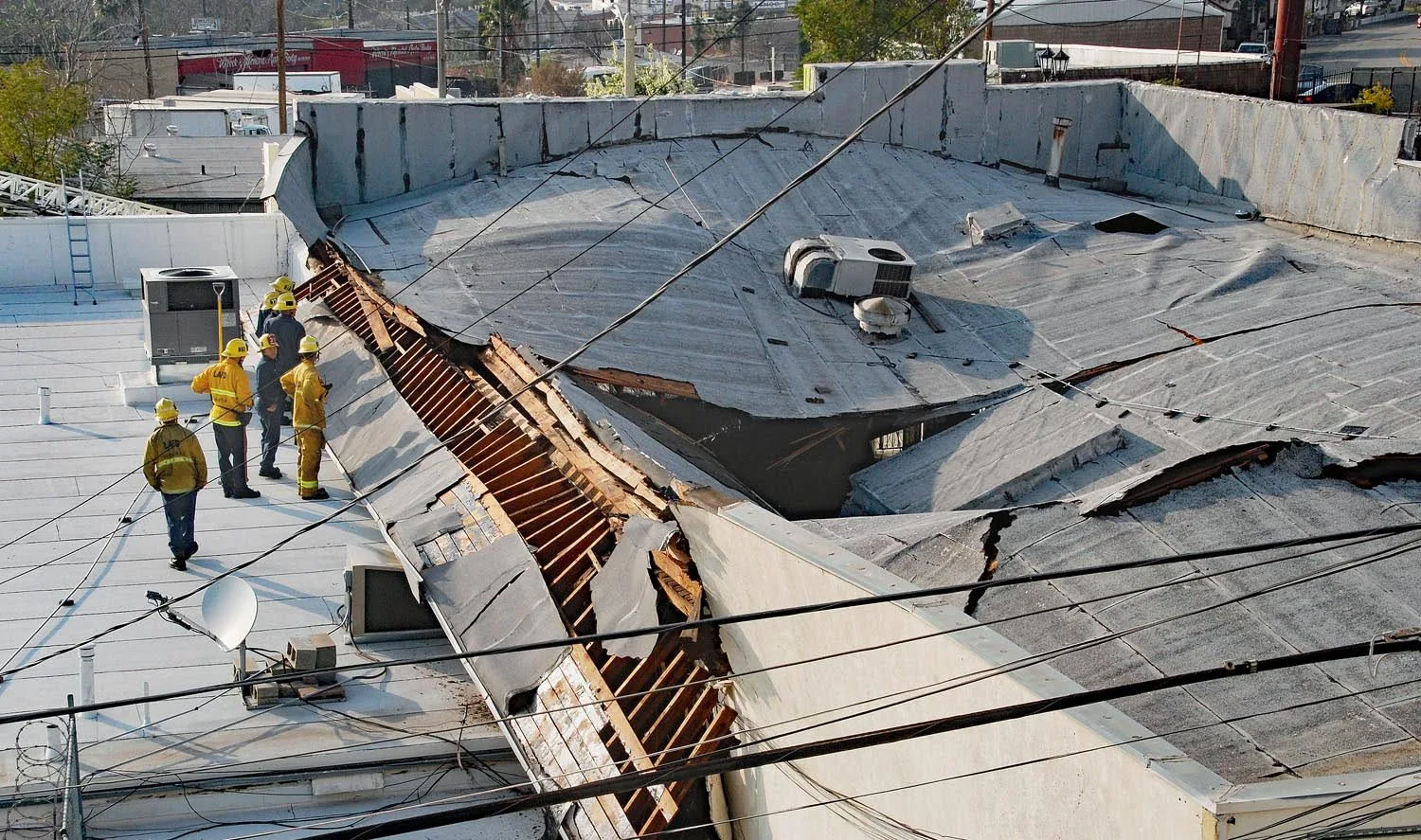
Dolly produced near-hurricane-force winds in eastern Hidalgo County, lifting roofs mainly on older structures. That pattern is useful. Older roofs are more likely to have corroded fasteners, rotted nailers, brittle sealants, and edge metal that no longer grips. The building does not have to be dramatic to be vulnerable; it only has to have a perimeter that has been loosening for years.
On a first walk we test the edge. Pull samples on fasteners show whether they still hold. A probe along a masonry parapet finds loose coping. The metal itself is checked for lifted corners and open joints. Findings are tagged to locations on the sketch with photographs. For deeper damage, the process of wind damage repair begins with securing the edge before addressing the field.
Rooftop equipment gets the same scrutiny. Panel covers, condensate lines, and conduit supports can loosen in wind, and a cover that comes off becomes a projectile. We confirm that latches work, that straps and bolts are in place, and that nothing is held by a single rusted fastener. Items that belong to the mechanical trade are photographed and passed along, with the roofing scope recording that the detail remains open until the other trade closes it.
Edge Metal and Parapets
The edge of a flat roof is a small assembly doing hard work: it holds the membrane down, sheds water away from the wall, and resists uplift. When any piece loosens, the membrane edge is exposed. Replacement of worn coping and fascia is usually less costly than a membrane repair that follows a failure.
New edge metal is fastened to the spacing the roofing system calls for, with sealed joints and continuous cleats where the detail needs them. Masonry parapets get mortar repair first so fasteners have something solid to hold. We photograph the work in progress and the finished edge so the record shows what was done and where.
Judging the Age of an Old Roof
Age matters less than condition, but age is the place to start. Core cuts show how many layers sit on the deck, what each layer is made of, and whether the insulation is dry. A roof that has been covered more than once may not accept another layer, and the structure may limit added weight. The cores answer that question quickly, and each core hole is patched the same day with material matched to the roof so the test does not become a new leak.
A dated core log goes into the file along with the sketch. If the owner later sells or refinances, a buyer or lender can read exactly what lies on the deck, how thick it is, and whether it was dry on the day of the test. That one page can answer questions that would otherwise take a second site visit.
If the roof is dry and sound, a roof recover can add a new membrane over the old one at lower cost than a full tear-off. If it is wet or heavily layered, tear-off is the path. We state which readings drove the call. The Valley's heat-safety season, May through October by Brownsville's count, adds to the wear on older surfaces.
Churches, Storage, and Small Commercial Buildings
Small towns carry a mix of building types, and a roofer should ask rather than assume. A church has tall interiors, complex rooflines, and limited work windows. A self-storage or warehouse-style building has long metal panels with many fasteners. A small commercial building may have one roof with a few rooftop units.
For each, the first walk is tailored. A church gets a check of valleys, tower bases, and gutters, and work is scheduled around services. A storage building gets a fastener count and a seam check along each panel line. A small retail or office building gets a drain log and a flashing review at its rooftop units. Each ends with a ranked list of repairs.
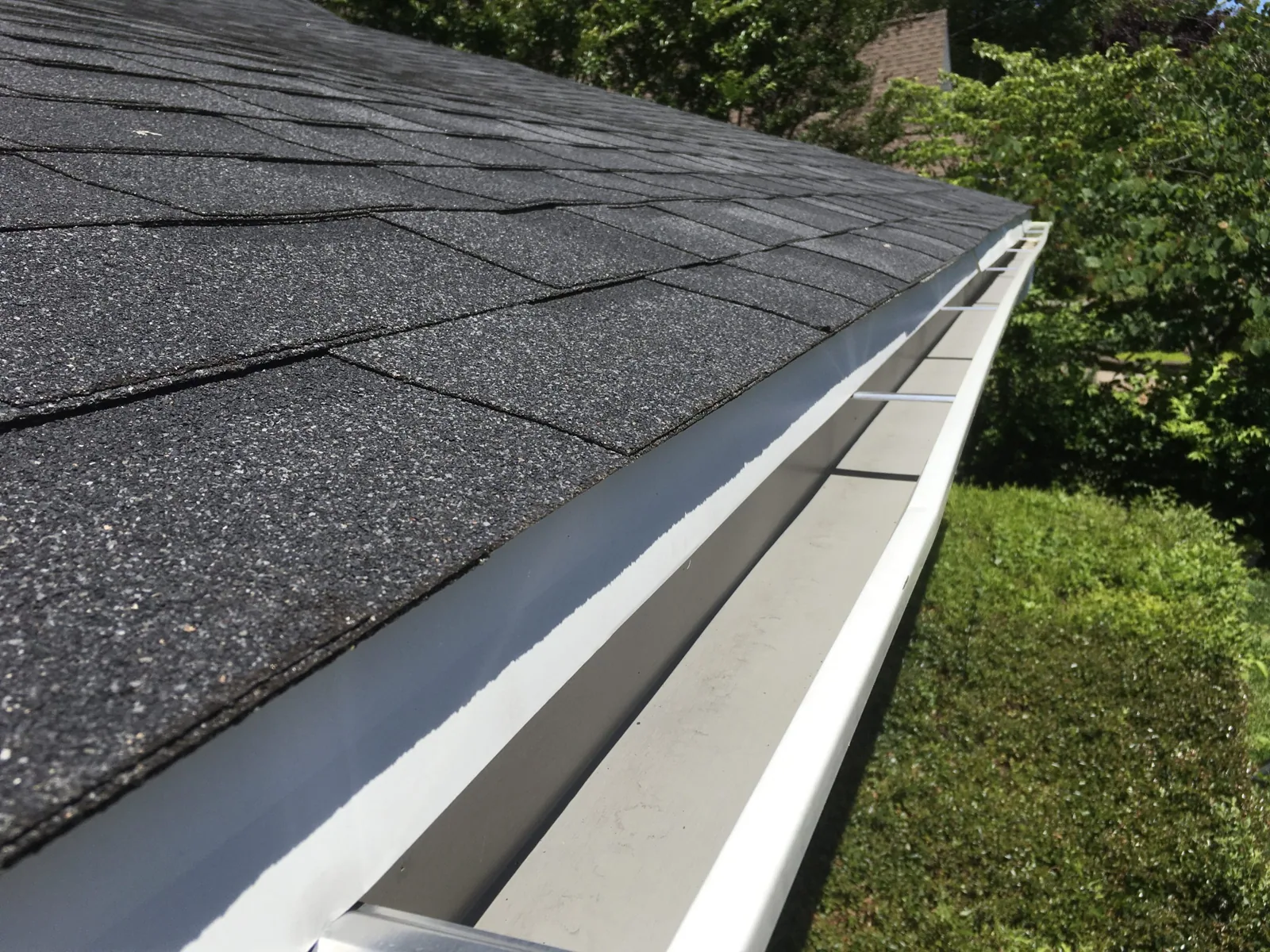
Gutters and downspouts are part of that list on any building that has them. A gutter full of debris overflows against the wall, and a downspout discharging at the foundation sends water where it should not go. We clear what can be cleared, refasten loose runs, and note the discharge point of each downspout, so a later storm leaves a record of whether the water path worked.
Before and After the Next Storm
Tropical weather threatens from June through October, and flooding can come in any month. The routine is plain: clear drains, tighten edge metal, secure equipment covers, and photograph the roof from fixed positions. After weather, we repeat the walk and compare. Anything that moved is marked.
Calls at any hour, holidays included, bring a first visit that dries the building in and records it with photographs. Commercial roof inspection findings then shape the permanent scope. The cost drivers are consistent: area, penetrations, wet insulation, access, and hours available, and each appears in the written scope.
For a small building, the scope is short. It lists the repair boundary, the materials, the quantities, and the timing. For a larger or older one, it adds a phasing plan and a protection plan for the interior. In both cases the owner sees the reasoning behind each line.
Questions and Answers
Why does an older building in eastern Hidalgo County need its edge checked first?
Dolly lifted roofs mainly on older structures in this part of the county, which points to attachment and perimeter condition. Old fasteners corrode, nailers rot, and sealants harden. A pull test and a visual pass over the edge show whether the building is ready for the next tropical season.
Can an old roof take another layer?
Only if cores show it dry and the structure can carry the weight and code allows it. Some roofs have been covered before. We cut cores to count layers and test moisture, then report whether a recover is permitted or tear-off is needed.
What does an owner get after a first visit?
Dated photographs of every roof section, a sketch marking findings, moisture readings where needed, and a ranked list of repairs with timing. The list separates quick fixes from larger corrections so the owner can spend in the right order.
How do you plan work on a church?
Around services and events. We map what is under each roof section, schedule noisy tasks for quiet hours, and protect the interior. Tall sanctuary roofs usually need specialty access, which is included in the scope.
How far is Edcouch for an emergency response?
Emergency calls are taken at any hour, and crews are sent by exposure. Edcouch is 22 miles northeast of McAllen, so the first visit is a dry-in with photographs, and a scope for permanent repair follows once the roof is dry enough to bond.
Schedule an Edcouch Roof Walk
Send us the building address and its approximate age. We will inspect the roof and edges, photograph each finding, and give you a written condition summary suited to repair planning or an insurance conversation.