
Commercial Roofing Services
Solar-Ready Roofing in Mission, TX
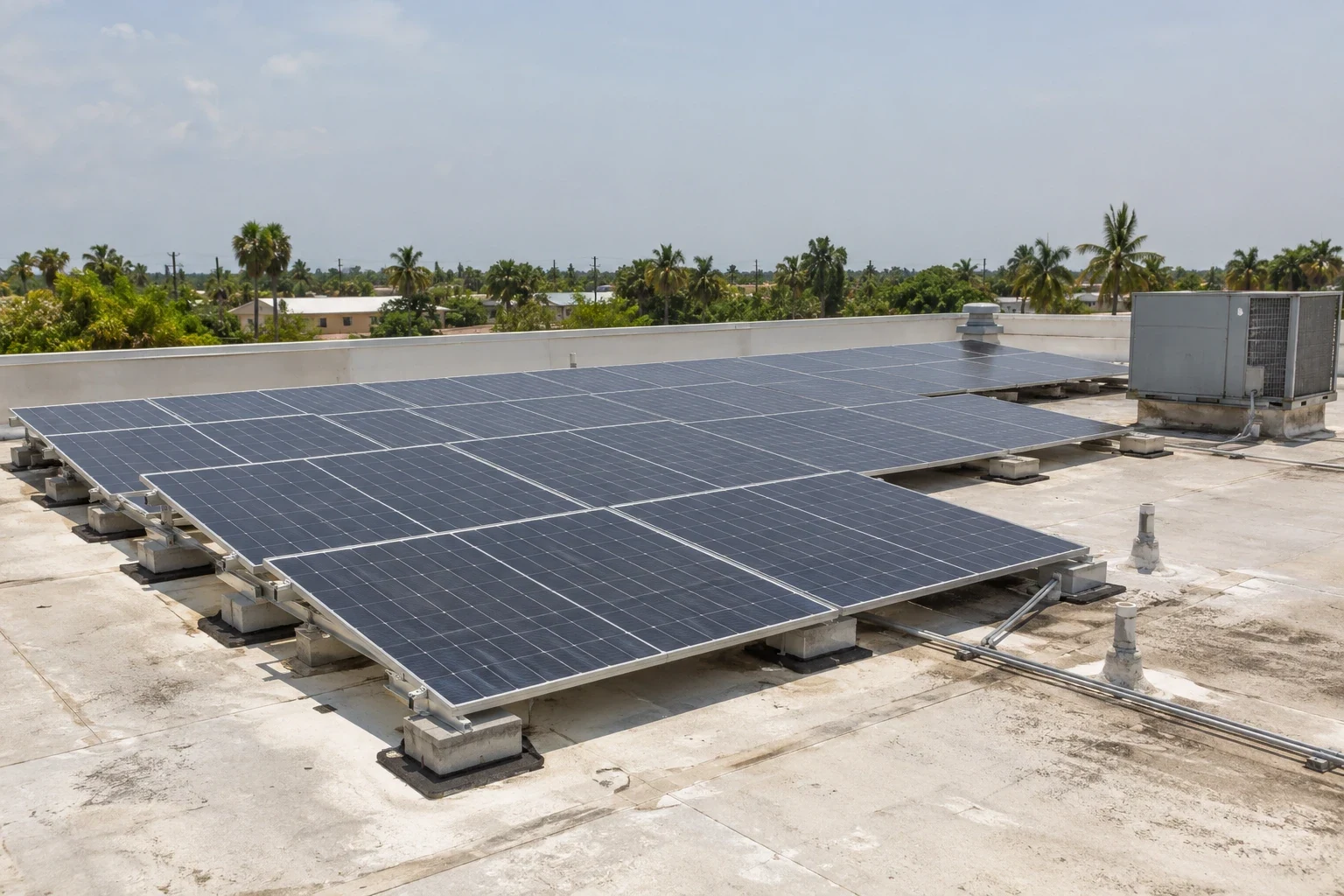
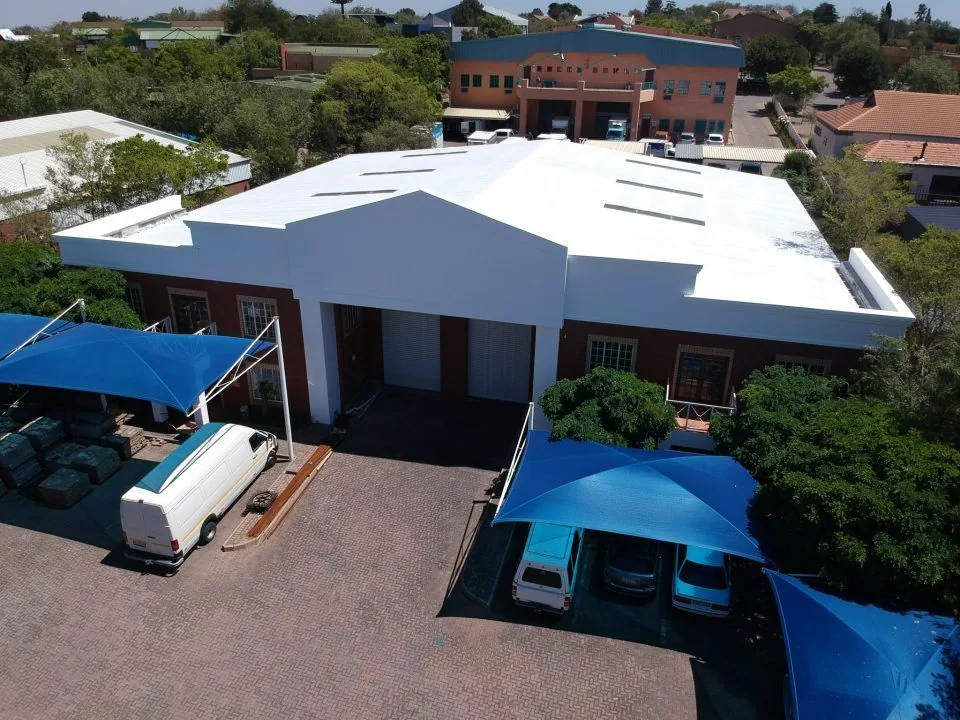
An array is designed to run for decades, often longer than a membrane lasts, and that single fact shapes every entry in a solar-readiness record. On a Mission, TX building, the inspector asks how many years of service the membrane has left, how it was attached, and whether it will bear new load. If the roof has less life than the array, replacing the array later means lifting every panel to replace the roof below. A solar-ready scope puts the roof work first, so the array can stay put.
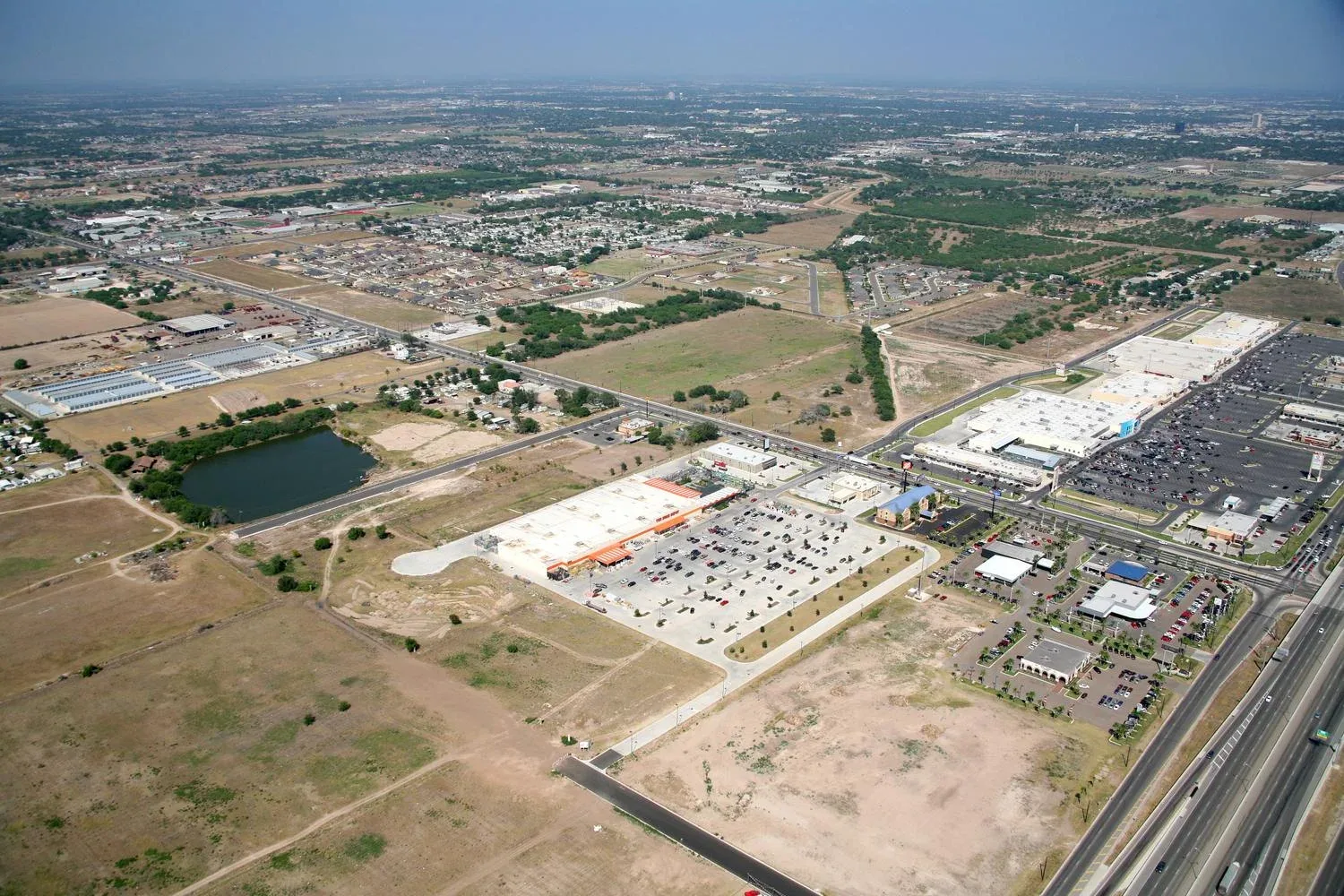
Roof Condition Before Racking
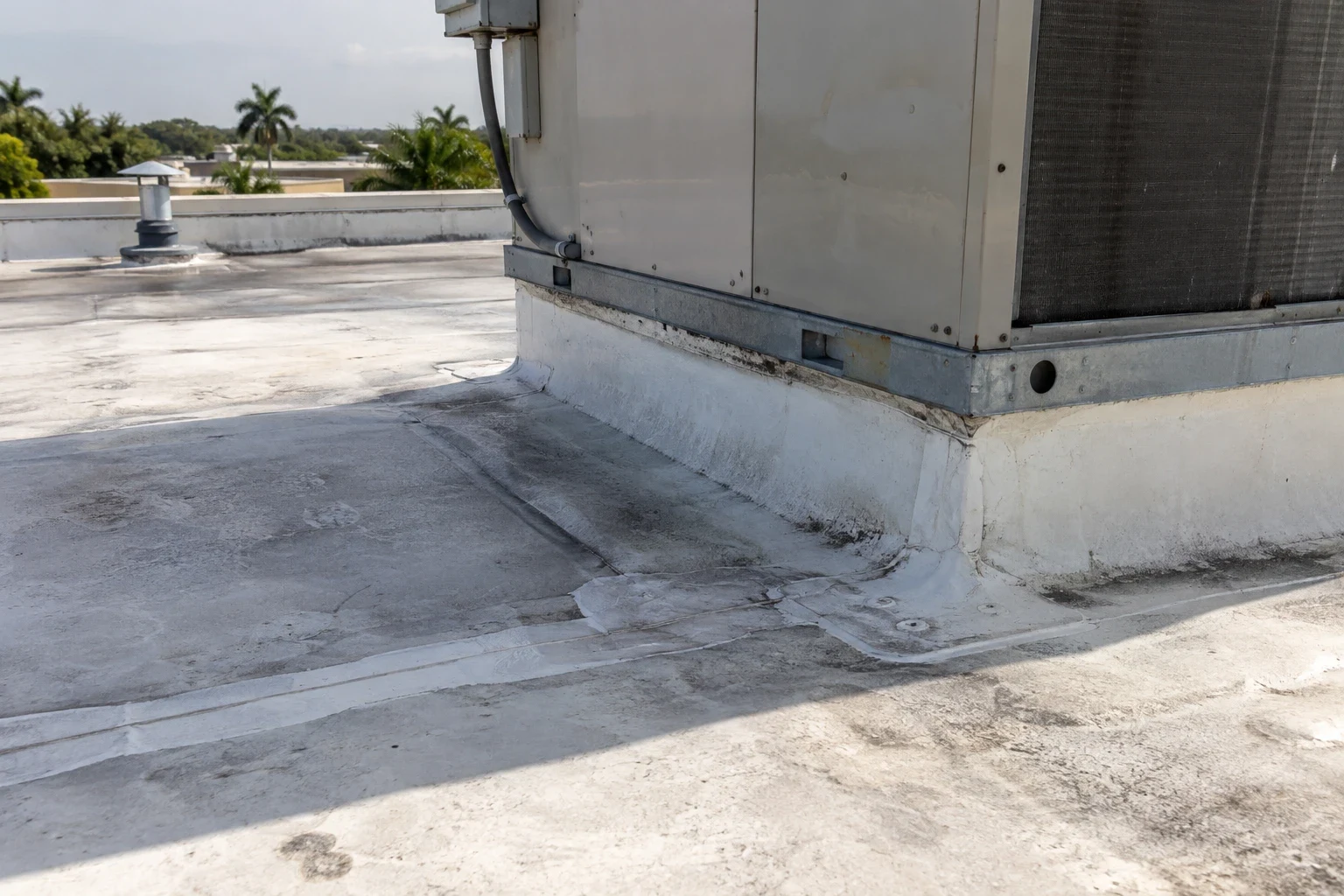
The readiness evaluation looks at the same things as any thorough condition survey: membrane age, seam and flashing condition, moisture in the insulation, and drainage. Wet insulation under a future array location is a particular concern. It cannot be seen or reached after panels are installed, and trapped water under racking keeps spreading.
A moisture map and core cuts show where the roof is sound and where it needs correction. Areas that fail the test are repaired or replaced before the array goes on. If the whole roof is near the end of its life, the finding is a replacement ahead of the array. The scope states which findings lead there, so the owner sees the reasoning instead of a bare recommendation.
The same survey sets the date for the next roof decision. A roof that passes today but shows seam creep and thinning surface may be sound for a few more seasons, and an array installed now would have to be lifted for that work. We write the expected window as a range tied to the readings, and flag it for review at each maintenance visit.
Structure, Attachment, and Added Weight
Panels, racking, and ballast add weight and wind load. A ballasted system relies on mass to hold the array in place, which puts steady load on the deck and insulation. An attached system uses mounts through the roof, which creates penetrations that need flashing. Each approach has consequences for the membrane and warranty, and a structural engineer sets the load limits before design is final.
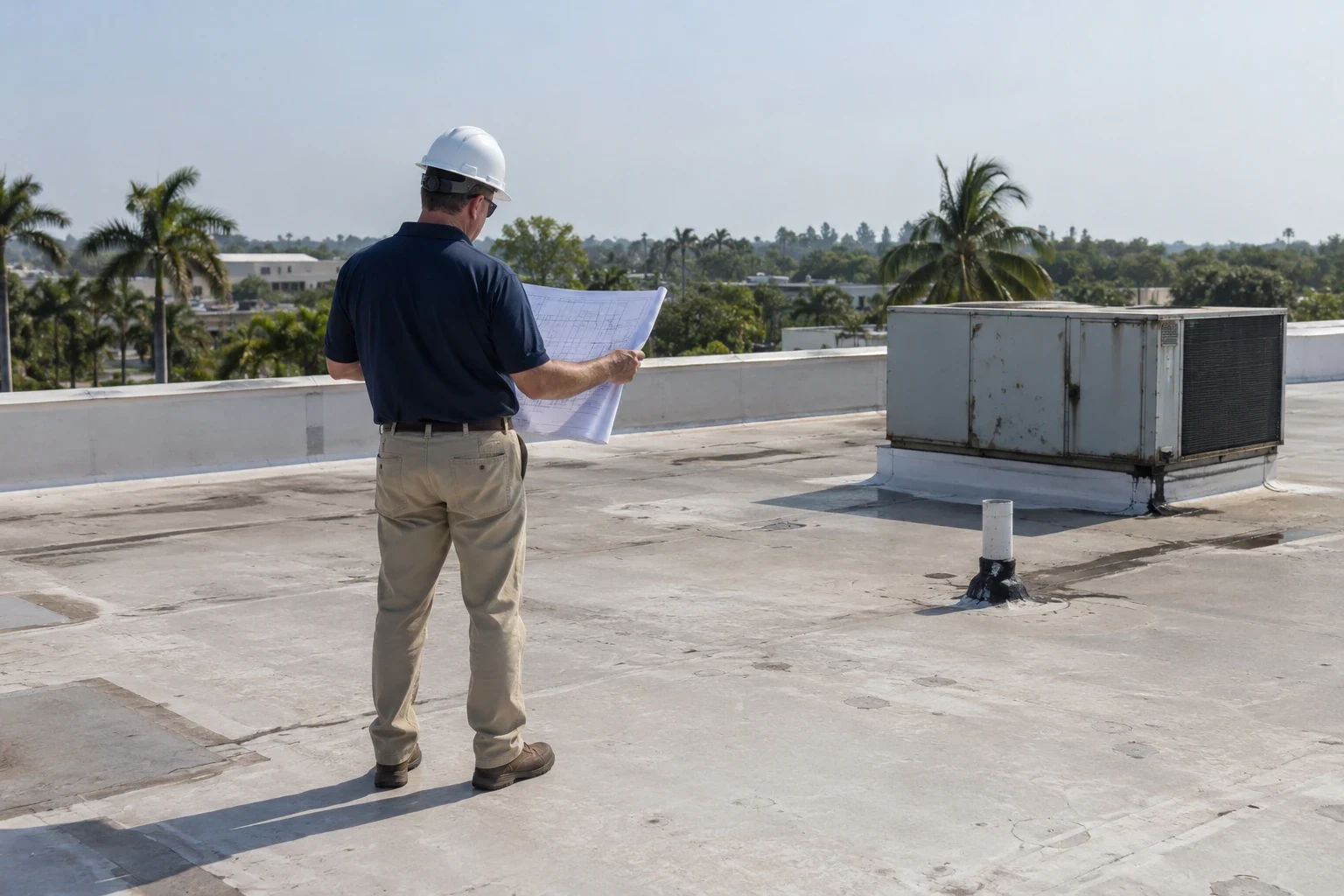
We do not perform structural engineering. What we provide is roof-side information: deck type, insulation compressive strength, membrane attachment method, and the locations of existing penetrations and equipment. That information goes to the solar designer and the engineer, so the layout respects the roof rather than being drawn on top of it.
Hurricane-Season Wind and Array Layout
Hurricane season in the Valley runs June through October. In July 2020 Hanna's estimated 60 to 65 mph winds crossed Mission and McAllen, and most of the harm to hundreds of poorly built structures landed on roofs. An array adds a large wind-catching surface to a roof, and the roof's perimeter, attachment, and edge metal become more important.
Before an array is designed, we review the edges and corners, where wind uplift is highest. Weak edge metal or aged fasteners are corrected first through edge metal and coping work. Racking layouts commonly leave setbacks from edges and corners, and the sketch marks the zones where panels should not sit because of attachment or drainage concerns.
Working Around Equipment, Drains, and Walkways
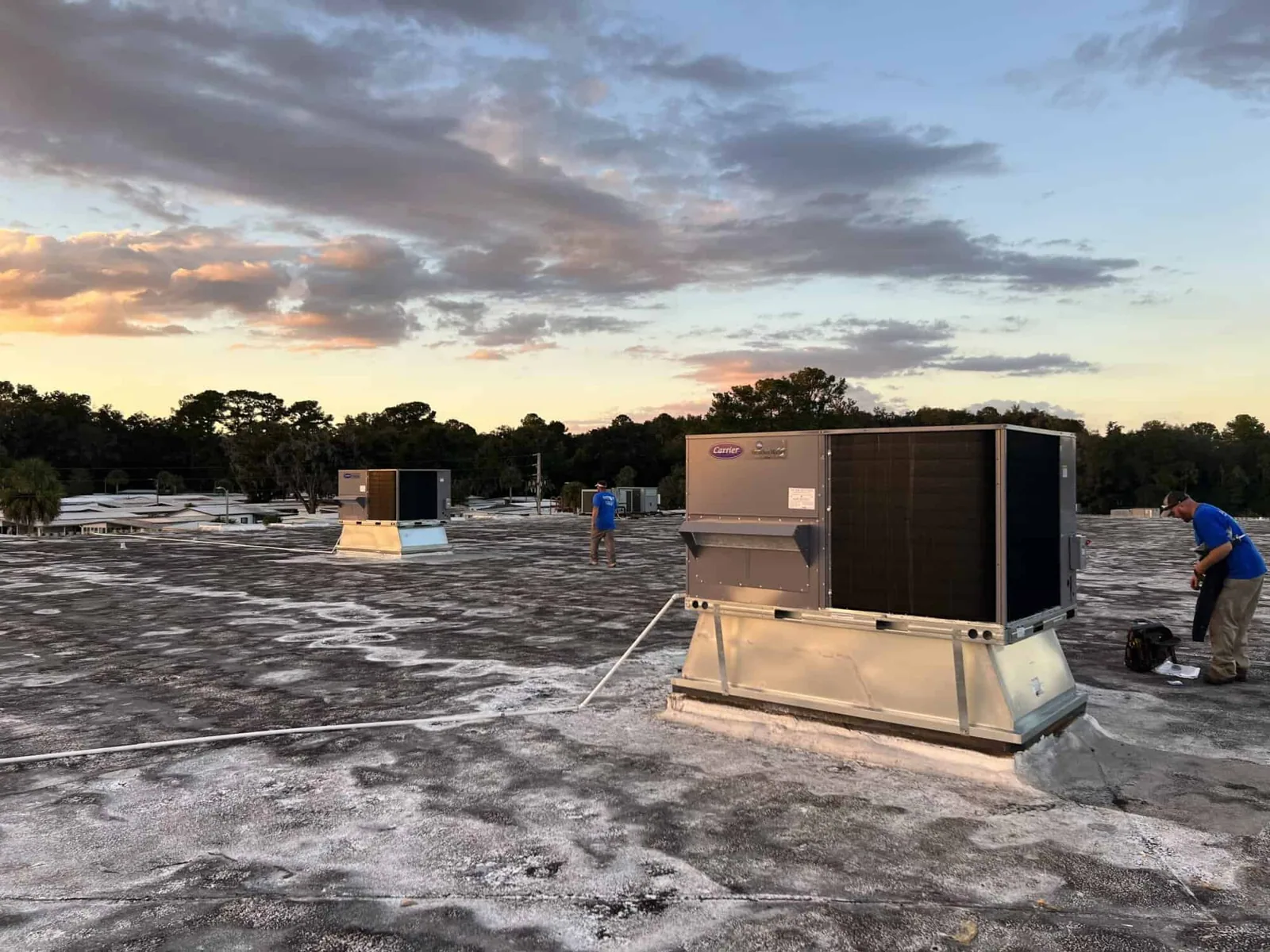
A rooftop is not an empty field. Mechanical units, skylights, vents, drains, and walkways all compete for the same area. A solar-ready scope places the array away from drains and scuppers, leaves service paths around rooftop equipment, and avoids shading and obstructing existing penetrations.
Drainage deserves special care. Racking can trap debris and leaves, and ponded water under an array speeds membrane wear. Where drainage is already marginal, a tapered insulation correction or an added outlet makes sense before the array is installed. We note drain locations on the sketch so the designer can leave clearances, and we record the existing condition of each outlet so later comparisons are possible.
Conduit routing gets the same scrutiny. Conduit laid directly on a membrane rubs through it over seasons of heat movement, so we specify raised supports with pads beneath, and we flag any run that crosses a seam, a drain sump, or a flashing edge. Where conduit has to pass through the roof, the penetration is detailed and flashed like any other opening, and it is added to the numbered penetration log so it is inspected on every visit.
Heat Under and Around the Panels
The National Weather Service lists May through October as the Valley heat-safety season, and panels create a covered zone with different heating patterns than open roof. The shaded membrane stays cooler, while the exposed strip at array edges sees the full range. A reflective membrane, the kind installed in cool roof installation, reflects light up under the panels, so the surface choice is made together with the array layout.
We document membrane condition at array edges and along conduit runs, since these zones weather differently. Walk pads and protected routes are placed for the technicians who will clean and maintain the array. A roof with solar needs more foot traffic than one without, and the walking paths are part of the plan.
Warranty, Roof Work, and Contractor Coordination
When a roof carries an array, roof repair, panel service, and warranty obligations all intersect. Panel removal for a roof repair requires a solar contractor, and roofing work near conduit requires coordination with the electrical trade. Those steps are scheduled in a defined order and recorded, through roof warranty management records, so the owner can show which party did what, and when.
Owners planning capital work can place roof and solar decisions in the same budget conversation. The cost of roof work before an array looks different from the cost of lifting the array later, and a written comparison inside a roof capital plan shows the difference. Buildings in Mission and Alton are handled with the same record format, so each roof's file reads the same way.
Questions and Answers
Should the roof be replaced before solar panels are installed?
When the roof has fewer years of service left than the array is expected to run, replacement first usually costs less than removing panels later. We show the remaining-life evidence: membrane condition, moisture readings, and seam findings. If the roof is sound with many years left, the array can proceed after repairs.
Do solar mounts void a roof warranty?
They can, depending on the manufacturer's terms and who performs the work. Some programs require approved installers or specific flashing details at each mount. We cannot answer for a manufacturer, so the owner should check the warranty document and ask for written approval before racking is designed.
Is ballasted or attached racking better for a flat roof?
Each has trade-offs. Ballast avoids penetrations but adds weight, which the deck and insulation must handle. Attached systems reduce weight but add flashings that need long-term care. The structural engineer and the solar designer decide, with our roof-side data on deck type, insulation strength, and existing penetrations.
Can an existing roof leak be fixed after panels are installed?
It can, but it is harder and more costly. Panels must be lifted and set aside, which needs the solar contractor and sometimes an electrician. For that reason we recommend finding and fixing leak sources before installation, and mapping moisture so no wet area is left beneath the racking.
What does a solar-readiness report from you include?
The report has the condition summary, moisture map, core results, drain log, a sketch of penetrations and equipment, wind-edge observations, and a scope line stating what roof work should precede the array. Solar designers and structural engineers can use it directly as a starting reference for their own work.
Request a Solar-Readiness Review
Send us the address and, if you have it, the proposed array location. We will survey the roof, map moisture, and give you a written condition summary stating what roof work should come before the array.