
Service Areas
Commercial Roofing in Los Ebanos, TX
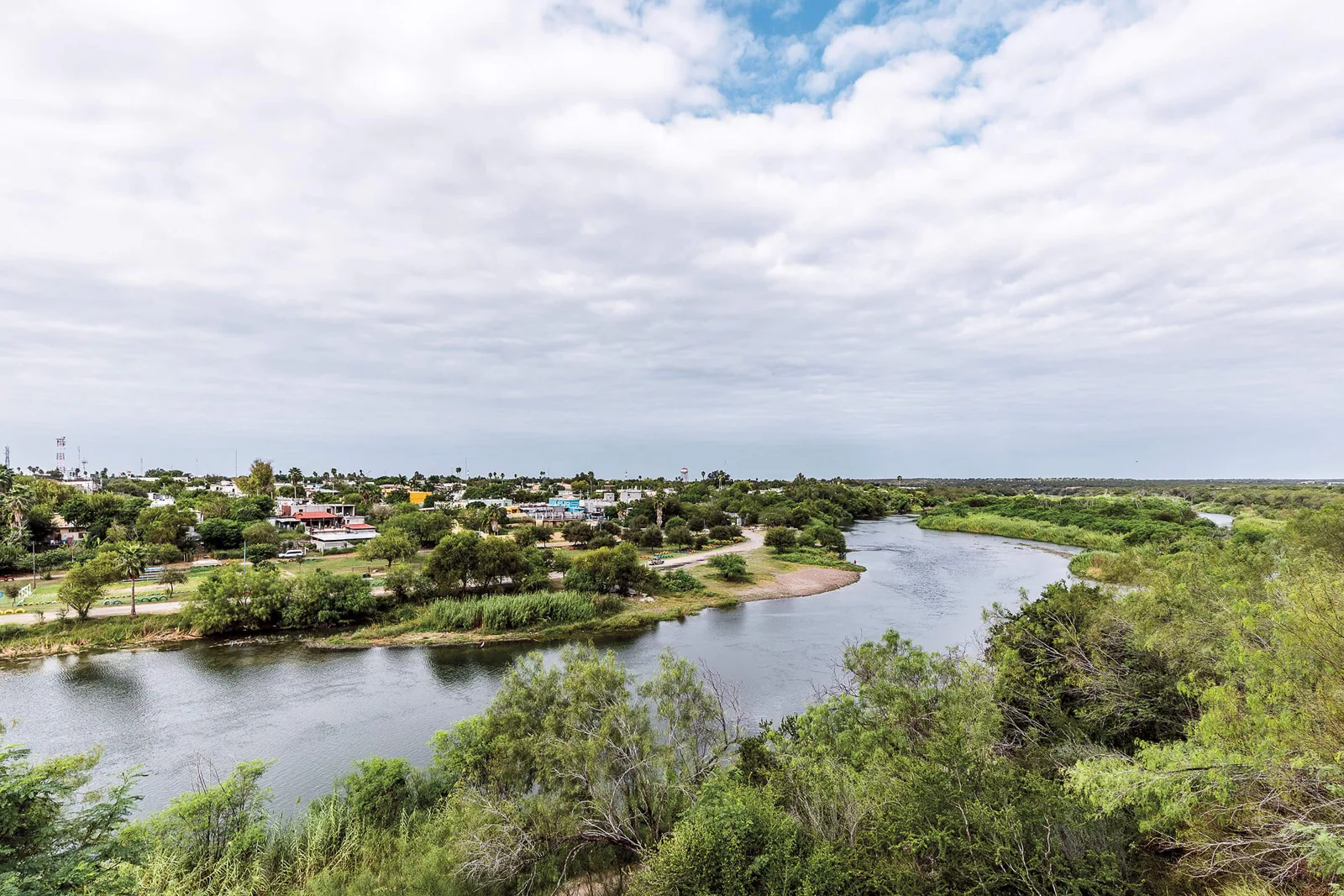
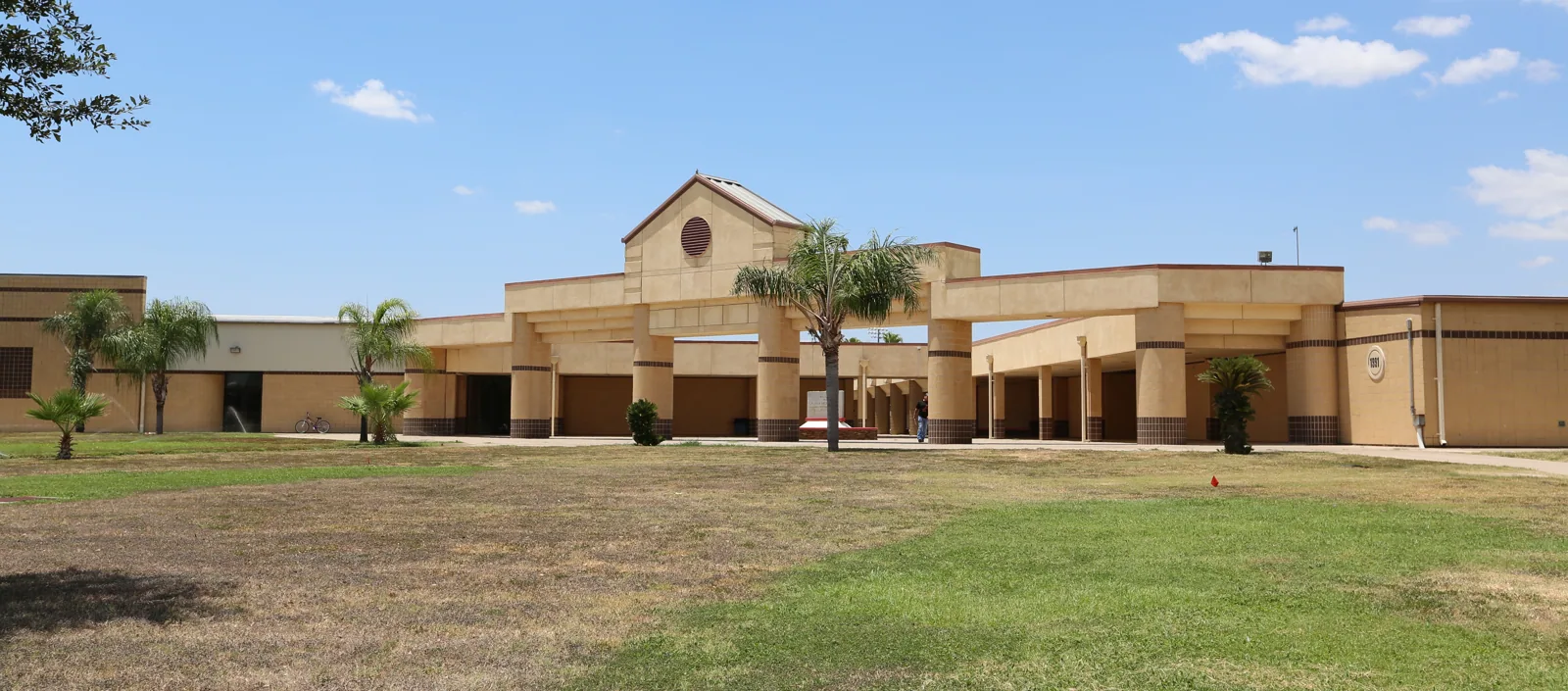
For a roof in a small, distant community, the first line of the work order is a plan for the trip: what will be done on one visit, what materials must arrive with the crew and what the weather window allows. Los Ebanos, TX is a census-designated place on the Rio Grande with 239 residents in 2020, and the hand-operated cable Los Ebanos Ferry is an official US-Mexico border crossing there. La Joya ISD serves it.
In a place of this size, commercial roof work is likely to mean small buildings and occasional visits, so each visit has to count. We plan the inspection and any repair so that the crew arrives with what it needs, completes what can be completed and leaves a written record that lets the owner decide the rest from a distance.
Planning One Trip That Does the Job
Before we travel, we gather the facts. The address, the access point, the roof type, the approximate area and the reason for the call all go into a short pre-visit sheet. Photographs from the owner help. We then decide what the crew should carry: ladders, sealants, patch materials, fasteners and moisture meters. If a repair is likely, materials are matched to the roof system in advance, so a second trip is not needed for want of a part.
On the day, the crew inspects first and repairs second. The inspection is documented in the usual order, with tagged photographs and a sketch. Items that can be fixed on the spot are fixed and photographed. Items that need ordering or a drier window are written up with a price and a date, and the owner can approve them by message.
Materials, Staging and Storage
Materials for a remote job have to survive the trip and the day. Sealants and adhesives are kept out of the sun until used, since heat shortens their working time. Membrane patches are cut to size and kept flat. Fasteners and trim are counted against the sketch so the crew does not run short. Anything that is sensitive to moisture travels sealed.
On site, the staging area is chosen with the owner: out of walkways, out of drainage paths and away from doors. Debris is bagged and removed the same day. Because there may be no supplier next door, the crew carries spares for the items most likely to be needed, such as extra sealant, a roll of tape and a few feet of flashing.
Reports Built for Distance
Some owners are not on site. A report that works from a distance has to be complete: every photograph tagged with the roof section and date, the sketch showing positions, the moisture readings in a table and a recommendation page stating what was found and what it costs. The owner should be able to read it on a phone, forward it to a lender and decide.
We keep reports short. The first page holds the summary and the decision items. The next pages hold the evidence. A reader who wants only the decision gets it in a minute, and a reader who wants to verify it can look at the photographs. The same file serves a later insurance conversation, since every image has a date.
Rain, Drainage and River-Area Conditions
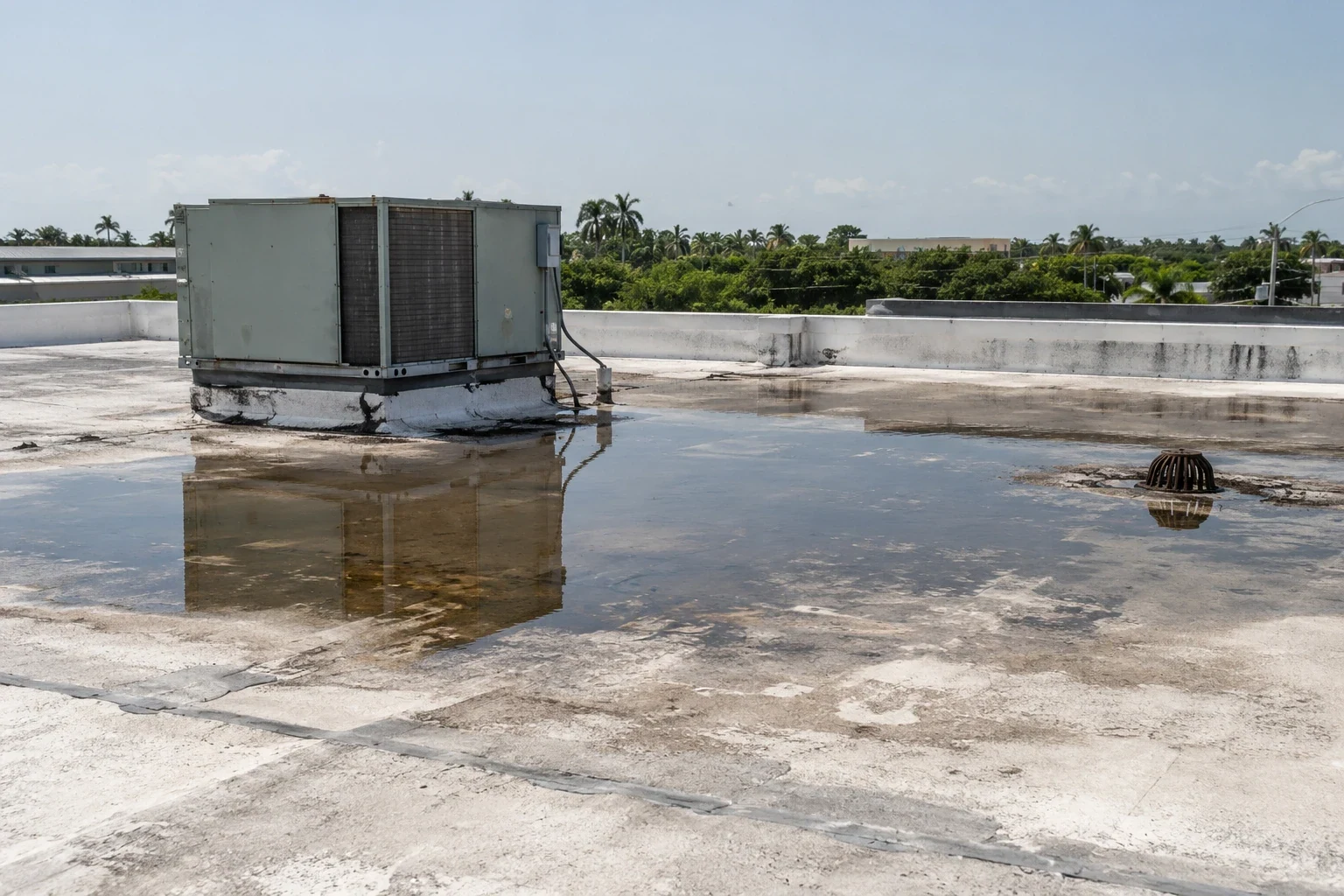
In the Valley, hurricane season runs June to October and flooding is a concern in every month. Hanna's flooding in the Mission, La Joya and Sullivan City area ranged from 18 inches to 4 feet where drainage failed. The lesson about drainage applies on any roof: water that cannot leave finds the weakest detail.
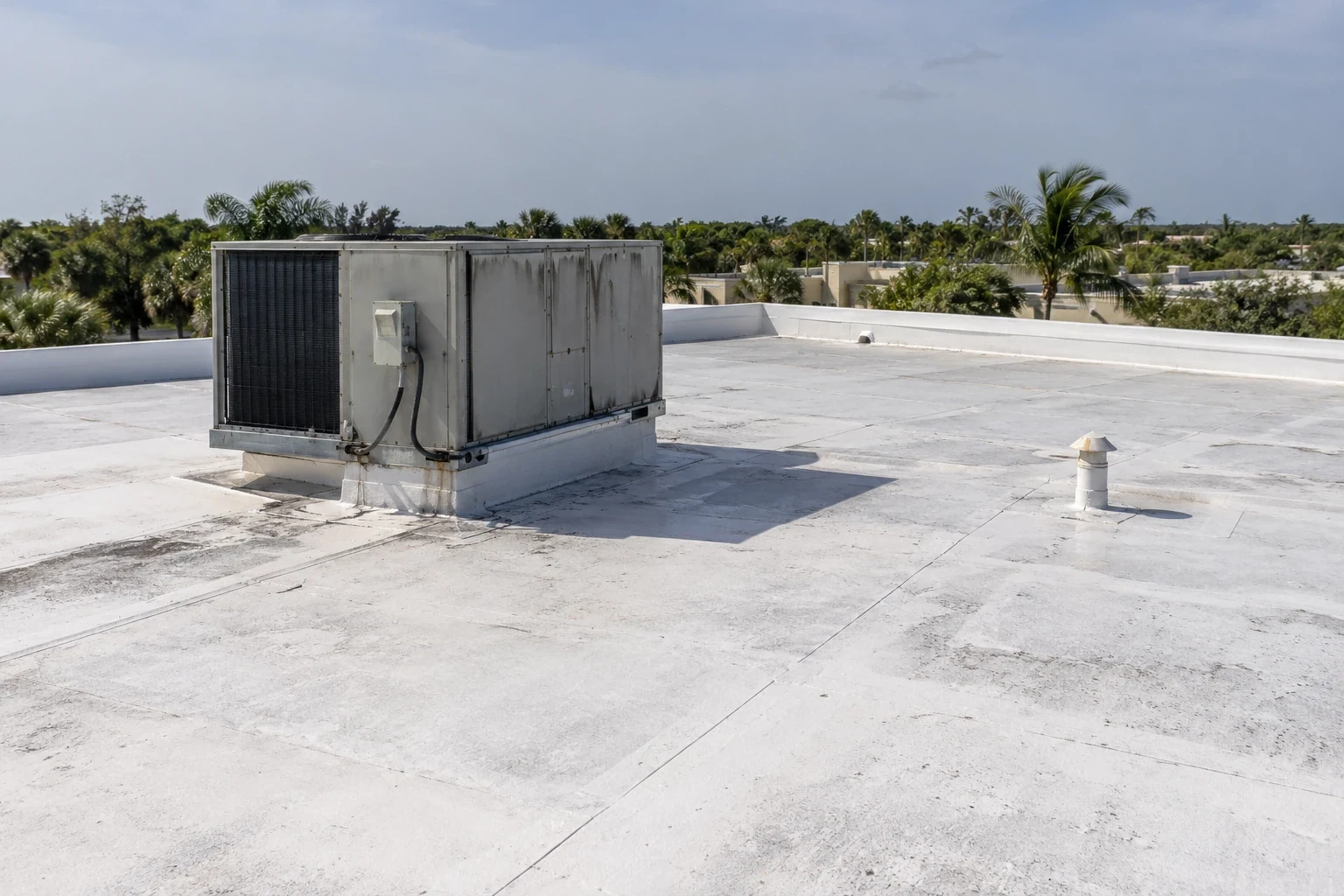
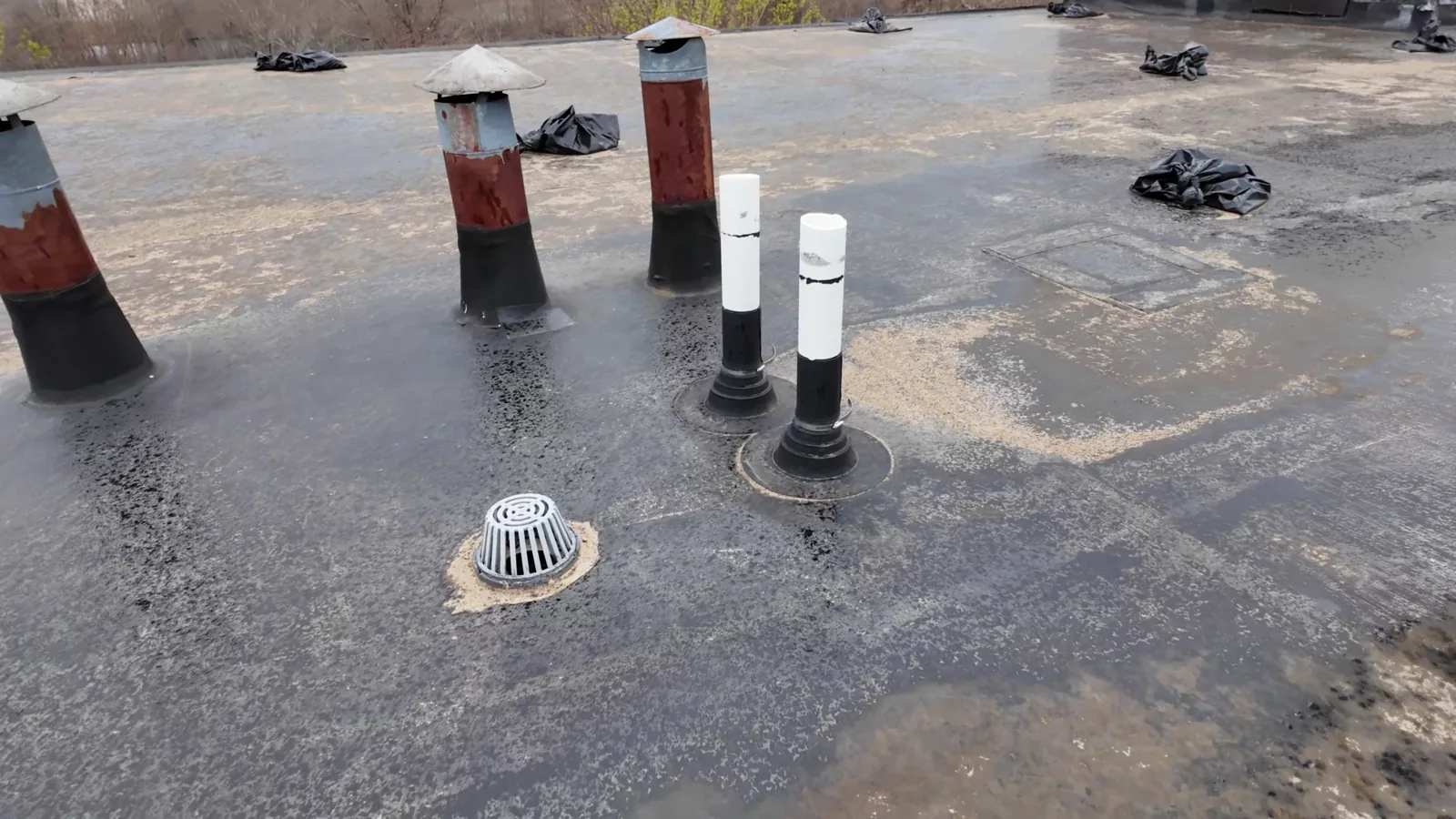
We log every drain, scupper and gutter with the checks used for roof drains and scuppers, measure ponding and note staining. A small building with one outlet should have it clear before June. If the outlet is undersized or set too high, the report says so and prices a correction. Where the roof is metal, the focus moves to fasteners, laps and trim, which loosen in wind and rain.
Access, Safety and Notice
Safe access is arranged before anyone climbs. We confirm where the ladder will stand, whether the ground is firm, and whether any overhead lines are near the work. Fall protection is set up as the roof requires. Where the roof cannot be walked safely, the report records the areas inspected from the edge and the limits of the record.
Notice goes to the owner and any tenant before work starts, with the date, the expected duration and the areas affected. If the weather turns, work stops and the roof is secured. The crew leaves the roof dry and the site clean, and the report notes any open items. A reader who was not present can see exactly what state the building was left in.
Sun and Heat on Small Roofs
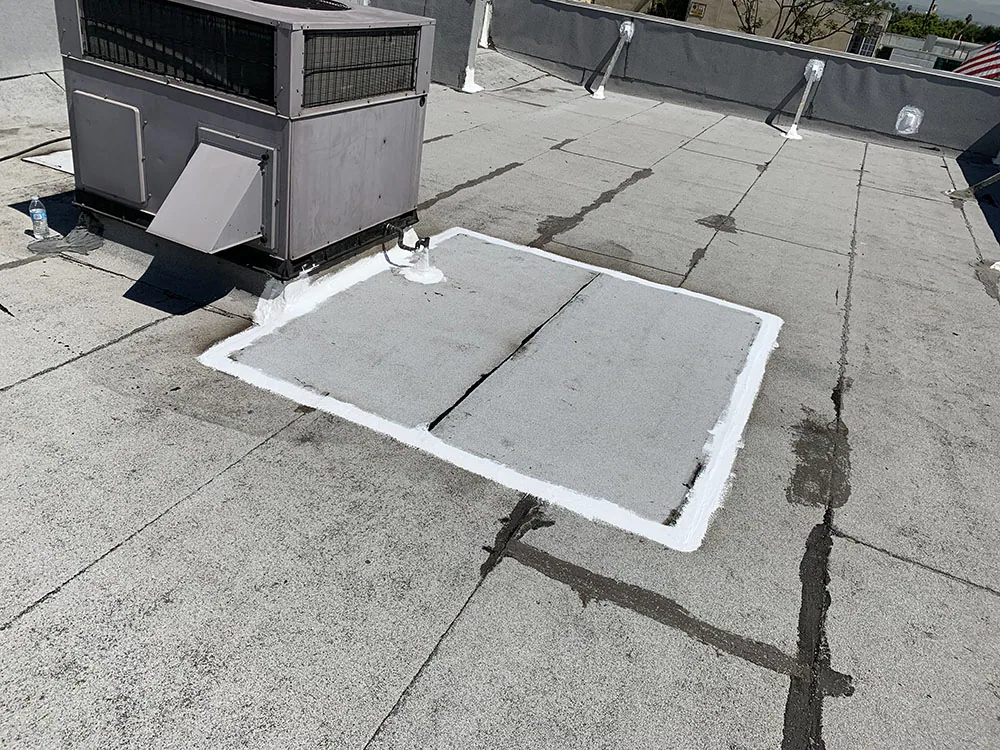
May through October is the Valley's heat-safety season, and a small roof takes the same sun as a large one. A small roof has fewer details but each one matters. Sealants harden, fasteners loosen and surfaces chalk. A single annual walk, in spring, catches the heat season's damage before the tropical season begins. Sealants are probed for cracking, and each penetration is checked for gaps between the boot and the pipe.
We photograph the same positions each year, so the comparison shows the rate of change. If a roof is aging evenly, the owner can plan a project. If it is failing in one corner, a local repair may suffice. A preventive maintenance visit once a year costs less than a leak repair and gives the owner a dated record.
Repair, Coating or Replacement at a Distance
Decisions are easier when the options are clear. A repair fixes local defects. A coating restoration extends the life of a sound roof. A replacement ends the cycle on a failing one. The recommendation lists the cost of each, the findings behind it and what would change the choice, so the owner can approve work without a second site visit.
Timing is part of the plan. Materials may need to be ordered, and dry weather is needed for most work. We state the likely window and a fallback. When buildings in La Joya or Sullivan City need work at the same time, visits can be combined into one trip.
Questions and Answers
Can a roof inspection be done in one trip?
Yes. The crew arrives prepared with tools and likely materials, inspects first and repairs what it can. Remaining items are written up with prices and approved remotely.
What if I cannot be on site during the visit?
That works. We confirm access beforehand, document everything with tagged photographs and send a short report that can be read on a phone.
How do you decide what to bring?
We ask about the roof type, size and symptoms, review owner photographs and pack materials that match the system. The aim is to avoid a second trip for a missing part.
How often should a small roof be inspected?
Once a year, in spring, and after any named storm. The same positions are photographed each time so the comparison is quick.
Can nearby buildings be inspected on the same trip?
Yes, when they are close and the schedule fits. Combining visits saves time and cost, and each building still gets its own record.
What if the repair needs a part that is not on the truck?
The part is listed in the report with a price and an order date, and the roof is made watertight with a temporary measure in the meantime. The return visit is then scheduled for the first dry window.
Request a Documented Inspection
Ask for a visit to your Los Ebanos, TX roof and receive a written condition summary with tagged photographs, a rooftop sketch and moisture readings. The summary states which findings call for repair, coating or replacement, and it can be reused for budgeting or an insurance conversation. Start from the contact form.