
Service Areas
Commercial Roofing in Citrus City, TX
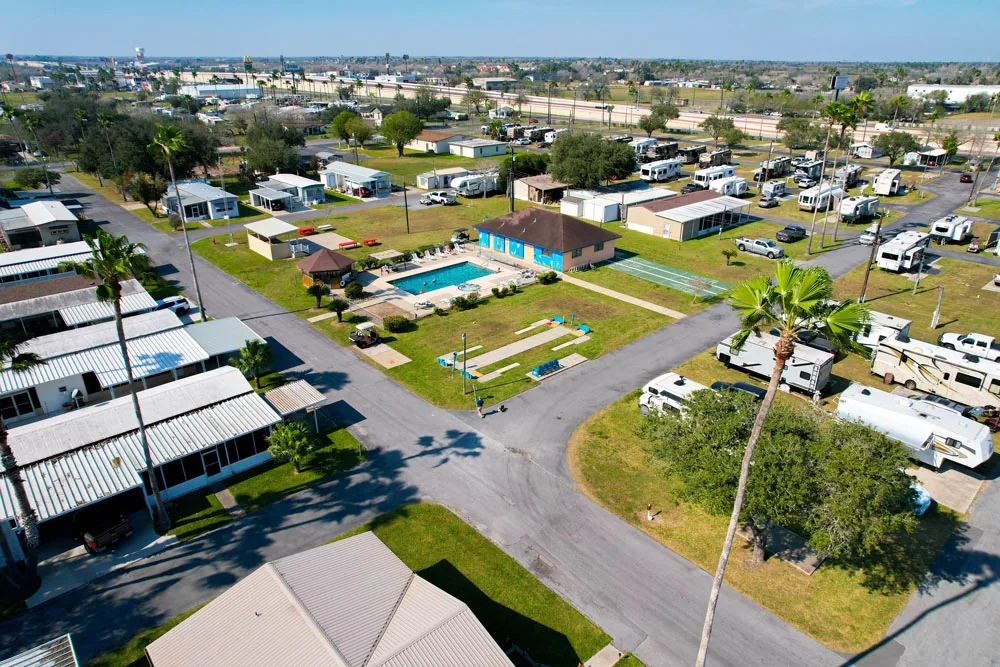
Roofing questions change from repair to specification in a place that has grown as fast as Citrus City, TX. It is a census-designated place of 2.0 square miles whose population grew from 941 in 2000 to 3,291 in 2020, and it lies north of Mission within the McAllen-Edinburg-Mission metro. Whatever the building, each new or replaced roof raises a decision the owner makes once: what surface, what insulation and what details to put through many seasons of Valley sun.
Our work here has two parts. On existing roofs we inspect, document and repair. On roofs being specified or replaced we help the owner choose a system that handles heat, rain and any rooftop equipment or solar plans, and we record the choice in the same file we use for repairs.
The Heat Load on a New Roof
The Valley's heat-safety season, May through October, puts roofs under months of sustained sun. A dark surface in that season runs far hotter than the air, and every degree is a stress on seams, sealants and adhesives. A reflective surface runs cooler, which slows aging and reduces the heat the building must remove.
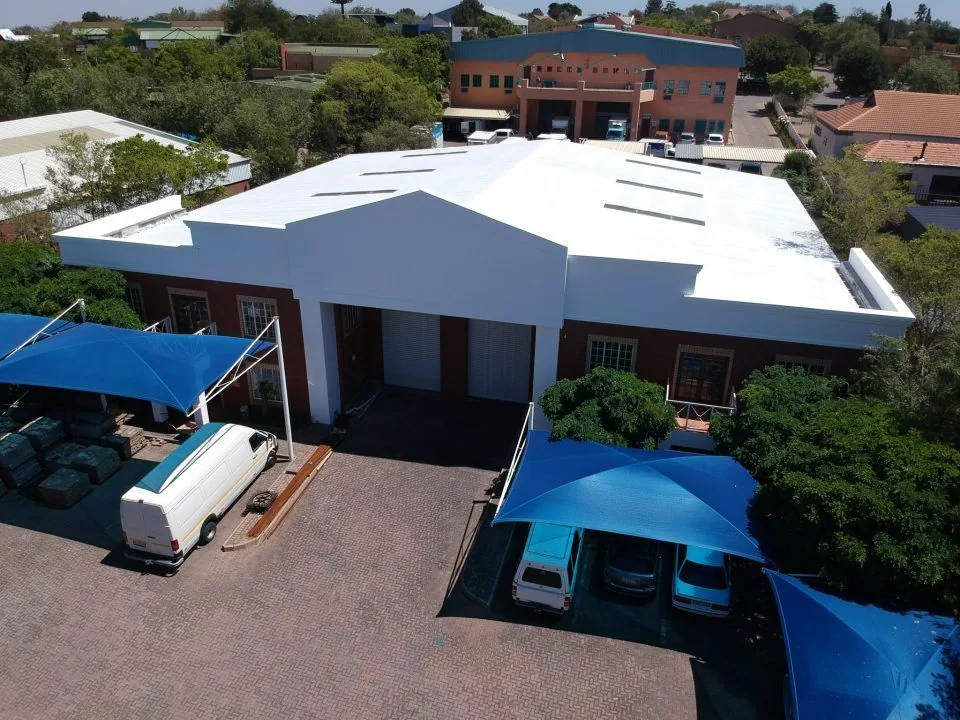
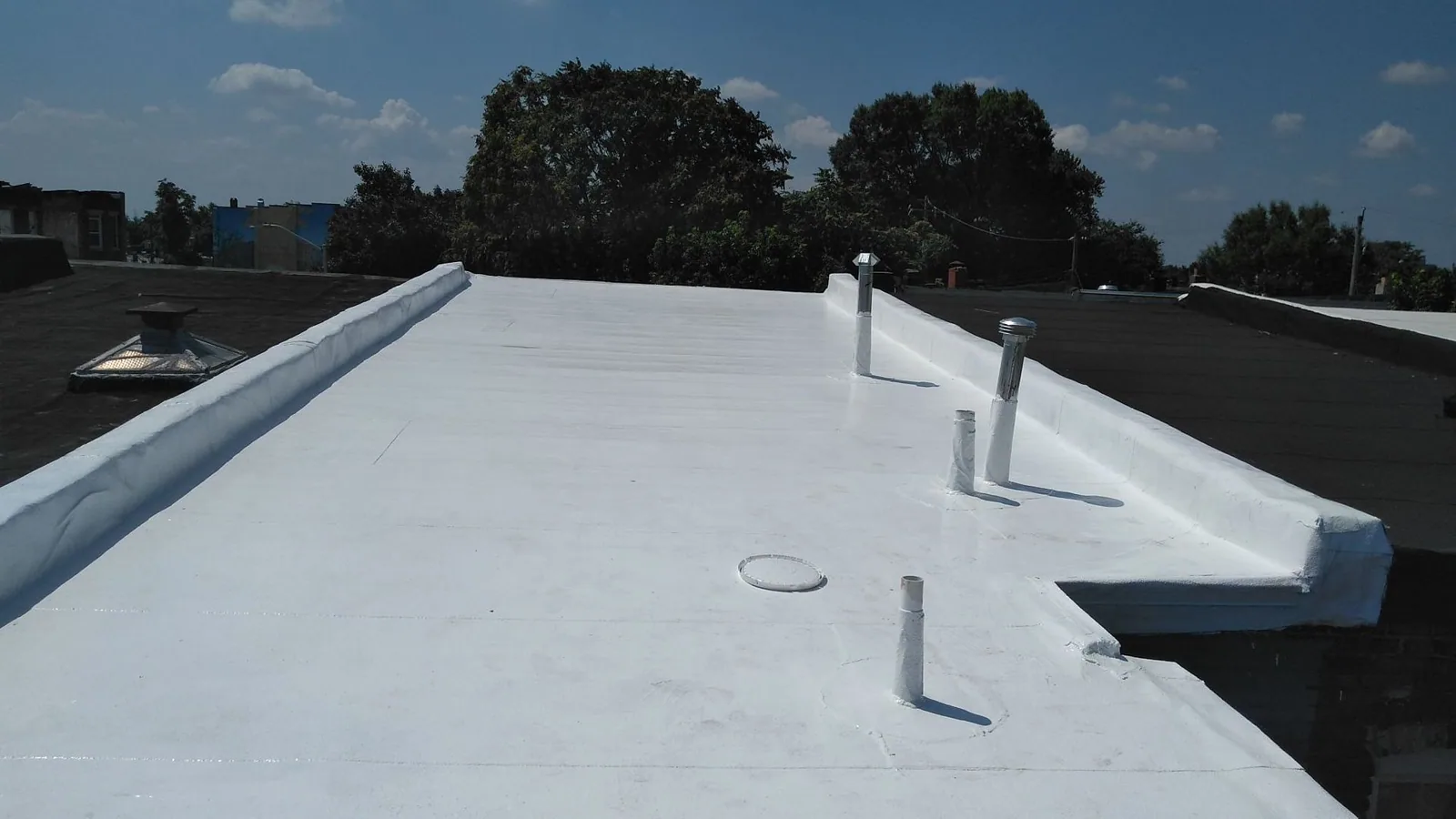
That is why the surface is the first specification decision. White single-ply membranes, reflective coatings and light-colored metal all lower surface temperature. The right choice depends on the roof type, the slope, the structure and the budget. A cool roof installation is a planned decision with a written comparison, not a default.
Reflective Coatings and Their Limits
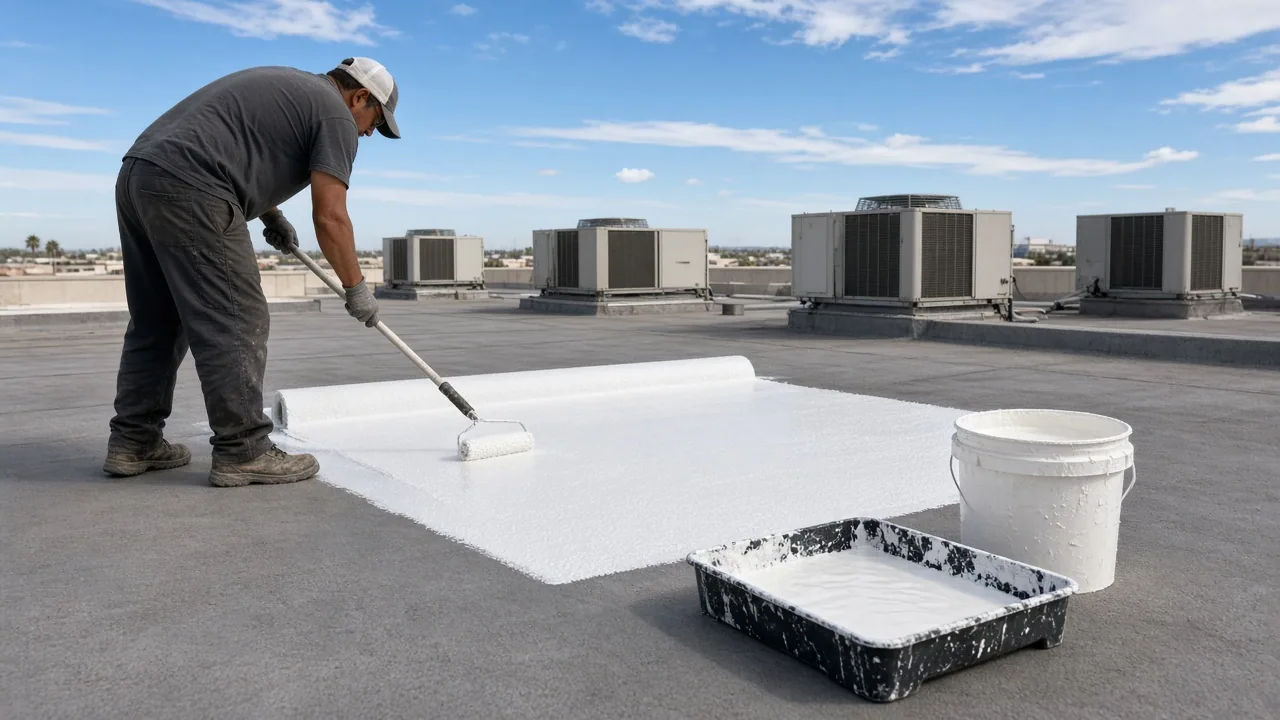
Where an existing roof is sound and dry, a reflective coating can lower surface temperature and extend service life. The inspection decides whether the roof qualifies: the membrane must be sound, the seams tight and the insulation dry. We take moisture readings before any coating is quoted, because a coating over wet insulation traps the water.
Coatings need maintenance. Dirt lowers reflectivity, thin areas appear along walkways and around drains, and the film wears over time. We check thickness at several points, mark thin areas on the sketch and recommend recoating when readings fall below the manufacturer's range. Options such as silicone and acrylic coatings differ in how they handle ponding and dirt, and the recommendation says which fits the roof.
Planning for Equipment and Solar
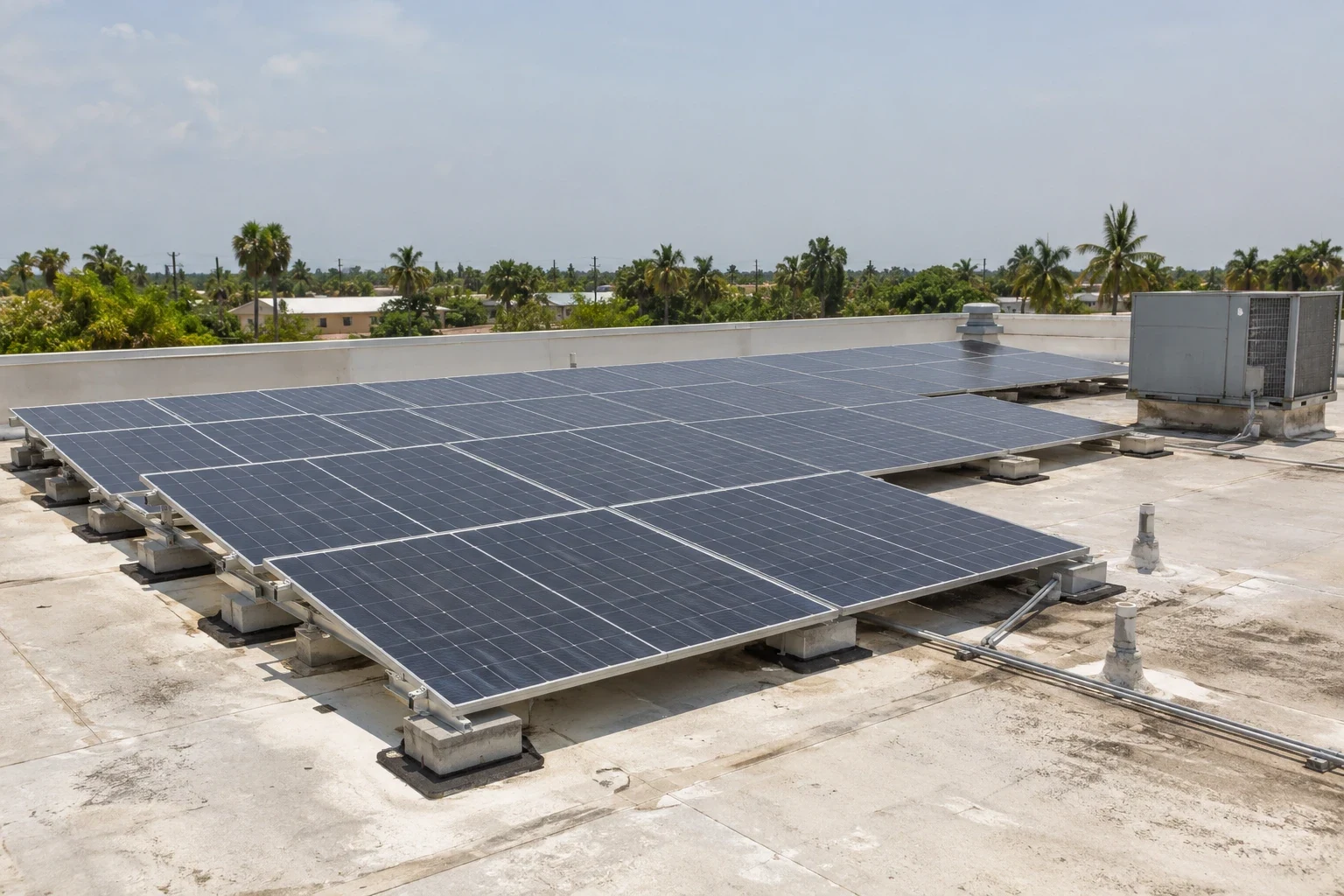
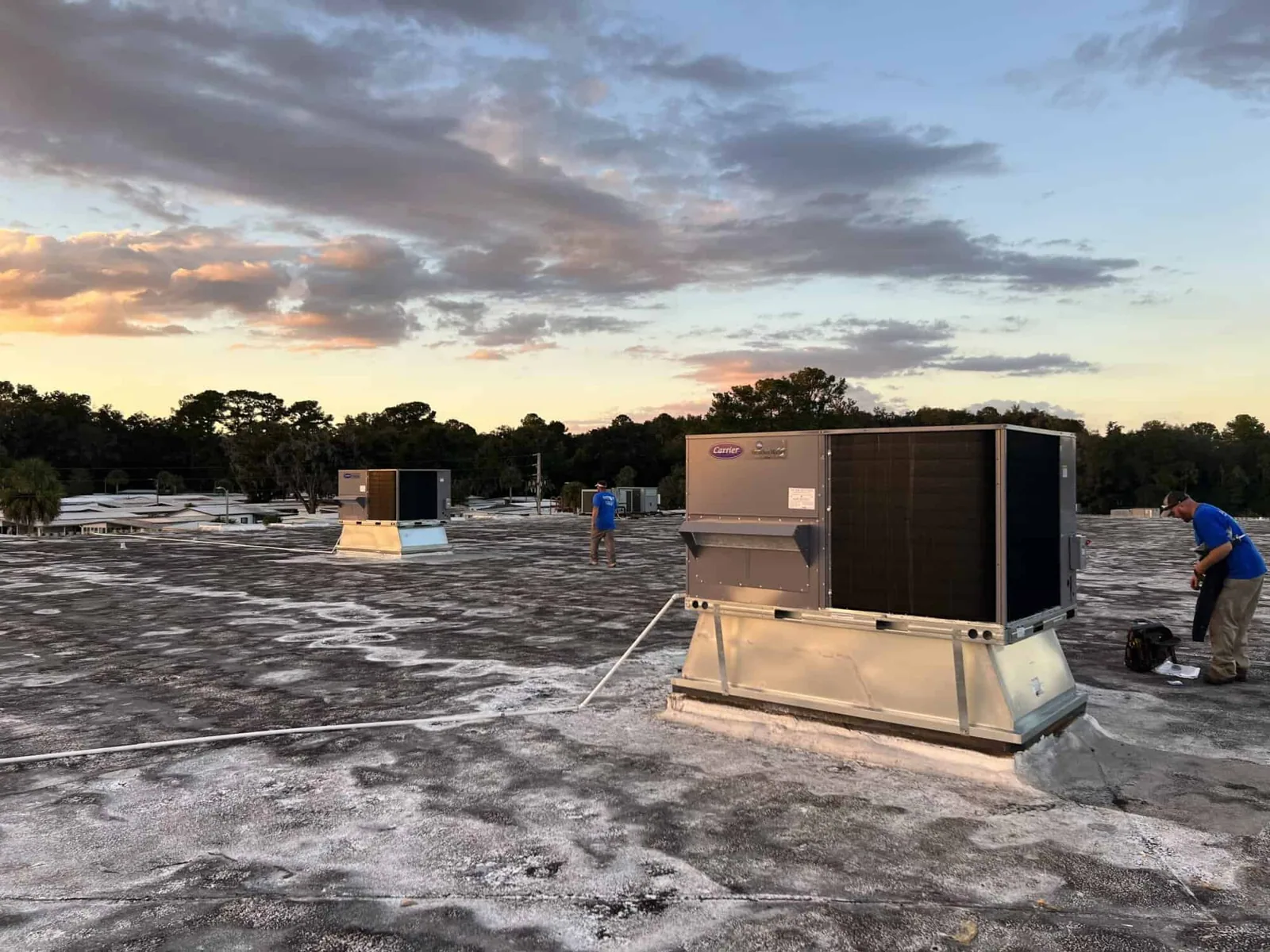
When rooftop equipment or solar arrays are added after the roof is installed, every new support, conduit and penetration is a new opening in a roof that may be under warranty, and that is where leaks start.
Solar-ready roofing deals with that by planning the layout at the time of the roof: reserving areas, setting walkways, specifying flashing details for future supports and recording where the structure can carry additional load. The record goes in the file, so the contractor who adds equipment later can follow it. Where the equipment is mechanical, curbs and supports are specified the same way.
Storm Season Records
Hurricane season in the Valley runs June to October, and flood readiness is never off the calendar. Hanna in July 2020 dropped a foot or more of rain on Mission and McAllen, and any new roof in the metro will see its own named storms. The baseline for a new roof is easy to build, since it starts clean, and it is worth building on day one, before foot traffic and equipment work leave their marks: edges, seams, flashings and drains photographed at handover, with moisture readings on the sketch.
After the first named storm, the comparison shows whether details held. A new roof that passed its first test gets a note to that effect. One that did not gets a repair scope tied to dated photographs, and a notice to the installer or warranty issuer where that applies. Neighboring roofs in Mission and Edinburg use the same sequence.
Specification Notes: Insulation, Slope and Drainage
On a flat roof, the layers under the membrane decide as much as the membrane itself. Insulation thickness sets thermal performance and the height of every flashing. Cover board protects the insulation from traffic and hail. Tapered insulation creates slope toward drains, and a roof designed without it relies on the deck for drainage.
We note these choices in the recommendation with the reason for each. A roof that drains well needs less repair over time, and one that ponds will test every seam. Where an existing roof ponds, the ponding water findings are carried into the replacement design, so that the new roof corrects the problem instead of repeating it.
Drain count and size are checked against the roof area, and secondary drainage or overflow scuppers are added where a blocked primary drain would put water on the roof with nowhere to go. Hurricane season runs through October, and a roof built for the rain it will actually receive holds up through storms that an average-day design would not.
Options and Cost Drivers
Cost on a roof like this follows area, system, insulation thickness, access and the schedule. Reflective surfaces and solar-ready details add cost at installation and save later, and the written recommendation shows both sides. For an existing roof, the choice between repair, coating and replacement follows the moisture map and the condition of the membrane.
Timing depends on the weather. Coating and membrane work need dry days, and planning the project for late winter leaves room to finish before the heat peaks. The summary states the working window, the cost of each path and the findings that would change the recommendation.
A short list of questions helps the owner decide. How long will the building be held? What is under the roof, and what would a leak cost? Is equipment likely to be added? Does a warranty apply, and what does it require? The answers set the specification, and they go into the file beside the inspection results so that the next decision starts from them, whether it is made by the same owner or by whoever holds the building later. Each answer is dated in the file, which lets a later manager see why the roof was specified the way it was.
Questions and Answers
Is a reflective roof worth the extra cost in the Valley?
It can be, since the heat season runs months and a cooler surface slows aging. The comparison depends on the roof type and the building, so the recommendation shows the added cost beside the expected benefit.
Can a coating be applied to any roof?
No. The membrane must be sound, the seams tight and the insulation dry. Moisture readings and a seam probe decide, and a roof that fails them needs repair or replacement first.
What does solar-ready mean on a commercial roof?
It means the roof is laid out and detailed for future equipment: reserved areas, walkways, flashing details for supports and a record of structural capacity. It prevents new penetrations from becoming new leaks.
How should a new roof be inspected?
At handover, to set a baseline, and again after the first named storm. Later inspections follow each spring, before the heat season builds.
Who should be told about a defect on a new roof?
The installer or warranty issuer, within the notice period. We record the defect with dated photographs so the owner has what is needed to report it.
How do secondary drains help a flat roof?
A secondary drain or overflow scupper gives water a second exit if the primary drain blocks. It limits how deep water can get on the roof, which protects the structure and keeps a debris problem from becoming a leak.
Request a Documented Inspection
Ask for a visit to your Citrus City, TX roof and receive a written condition summary with tagged photographs, a rooftop sketch and moisture readings. The summary states which findings call for repair, coating or replacement, and it can be reused for budgeting or an insurance conversation. Start from the contact form.