
Service Areas
Commercial Roofing in Midway North, TX
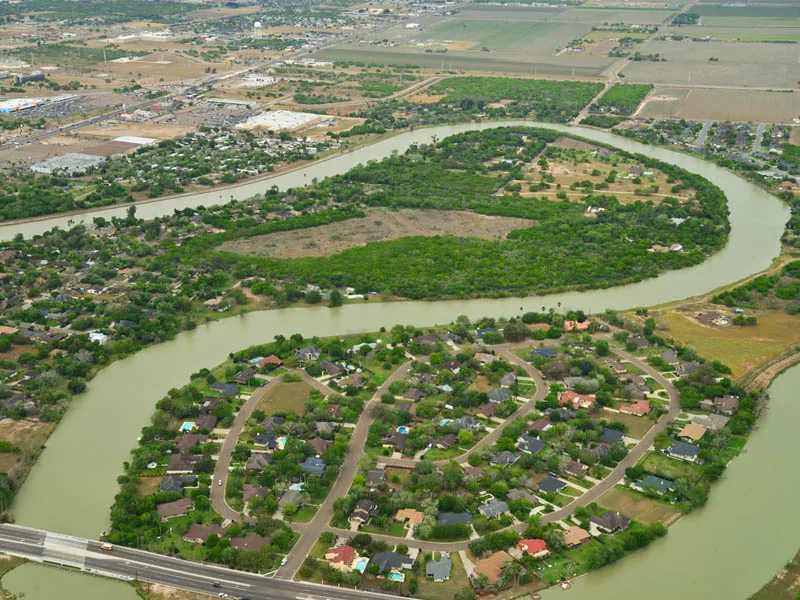
For an older commercial roof, the entry that matters most before storm season is how well the roof is held down. Midway North, TX is a census-designated place of 2.1 square miles with 4,232 residents in 2020, and the Weslaco and Donna school districts divide it along Midway Road. Hurricane Dolly in 2008 produced damaging winds near hurricane force around Weslaco, lifting roofs mainly on older structures, so the question of attachment is not abstract in this part of the Valley.
We treat attachment as a documented finding. Edges, fasteners, laps, trim and parapet caps are checked and photographed, and the record states which details meet the standard the roof needs and which do not. An owner reading it can decide what to fix before the season and what can wait.
What Dolly Left Behind
Dolly's 2008 gusts reached 50 to 70 mph across populated Hidalgo County, and around Weslaco the damage came close to hurricane force, with roofs lifted and walls collapsed, mostly in older structures. Wind that lifts a roof usually starts at an open edge, since an open edge gives it a place to start peeling, and a wind damage inspection begins there for that reason.
That pattern is a guide to inspection. Wherever a roof is old, the edge is the first place to look, then the fastening pattern, then the condition of laps and seams. A building from before 2008 that has had no edge work since is a candidate for a close look, whatever the field of the roof appears to show.
Edge Metal, Parapets and Caps
Edge metal is checked with a hand test and a photograph at each joint. Is the metal tight to the substrate? Are fasteners present and sound? Has the sealant at joints cracked? Is the cleat engaged? A loose section is documented with the position, the length and a scale card, and the repair is specified: re-fasten, replace the metal, rebuild the blocking or all three.
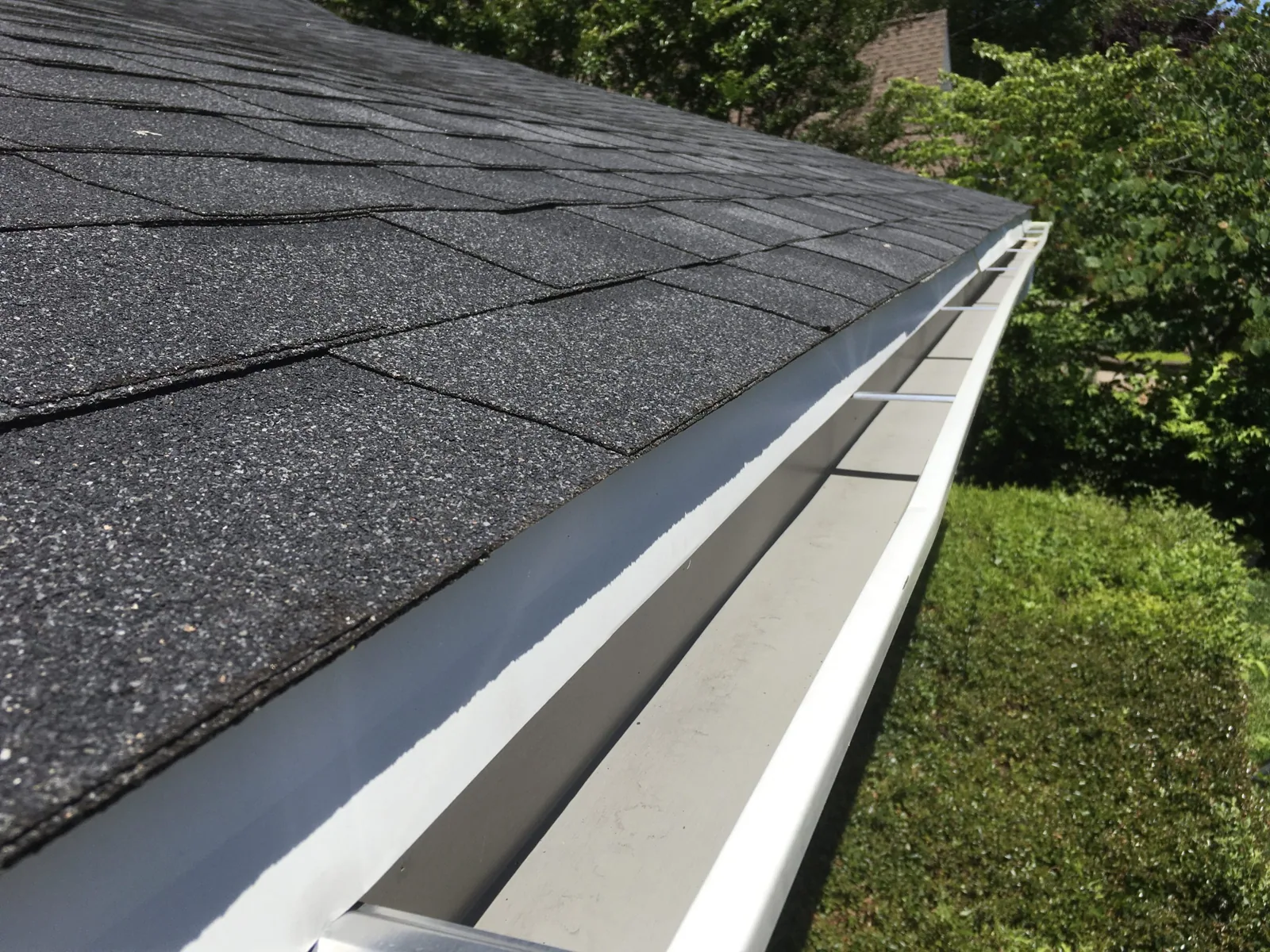
Parapet caps and copings get the same attention. A cap that has lifted at a joint lets wind-driven rain behind the wall flashing. A cap that has moved lets the membrane under it loosen. Work on edge metal, coping and gutters is scoped from these photographs, with a pull test where the substrate allows.
Attachment in the Field of the Roof
The field is checked for loose membrane, lifted insulation boards and fasteners that have backed out or rusted. On a mechanically attached single-ply roof, fastener rows show as faint lines, and a row that has begun to show is an early warning. On an adhered system, we check for blisters, bubbles and lifted areas that suggest the bond has failed. On a ballasted roof, we look for displaced stone at corners and edges.
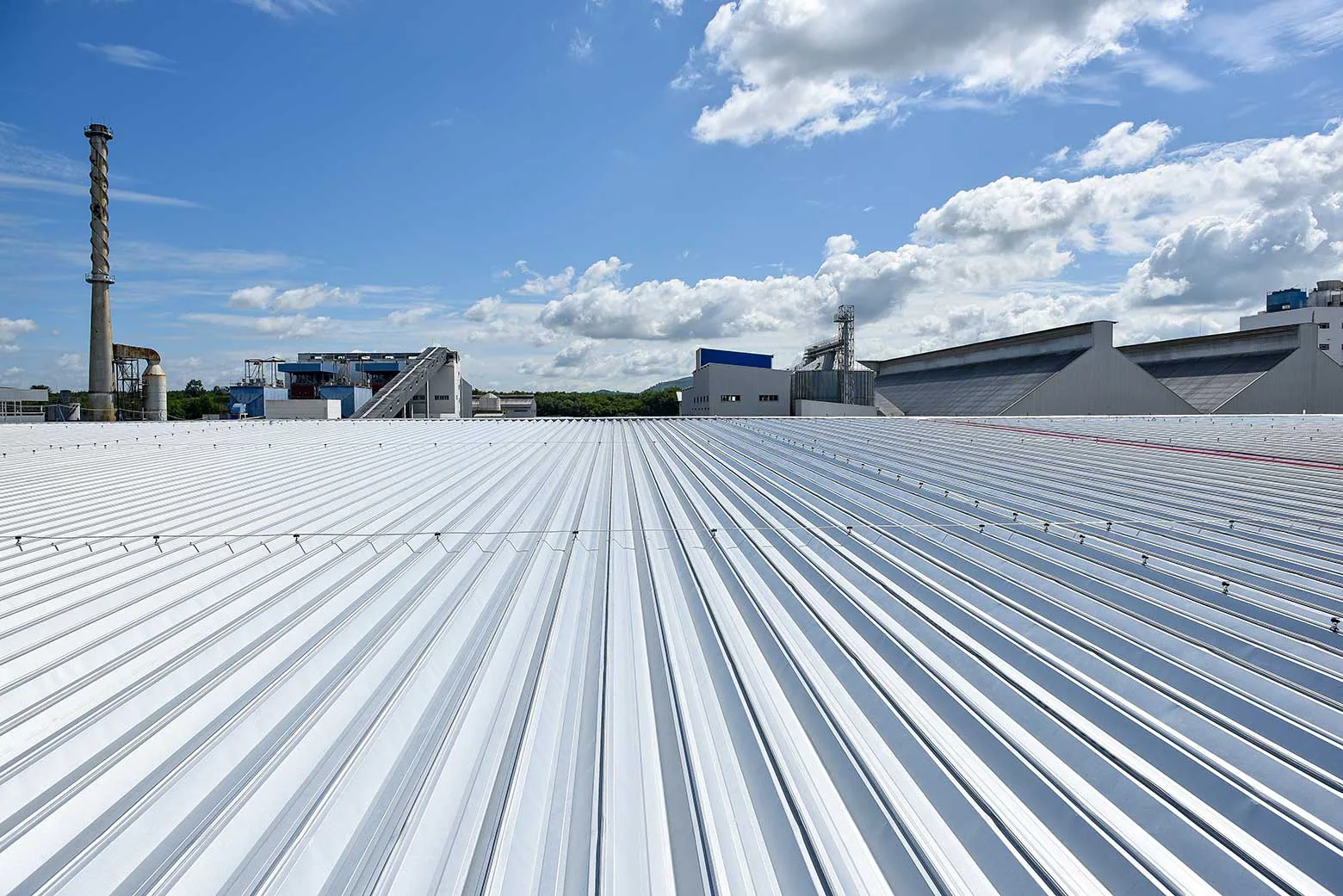
Each finding is entered with a location and a rating. Where the attachment is marginal, the recommendation may be to add fasteners, re-adhere the membrane or replace sections, with a price for each. In some cases, a metal roof retrofit or a full replacement gives a better answer than a series of patches, and the report says so.
Penetrations, Units and Loose Items
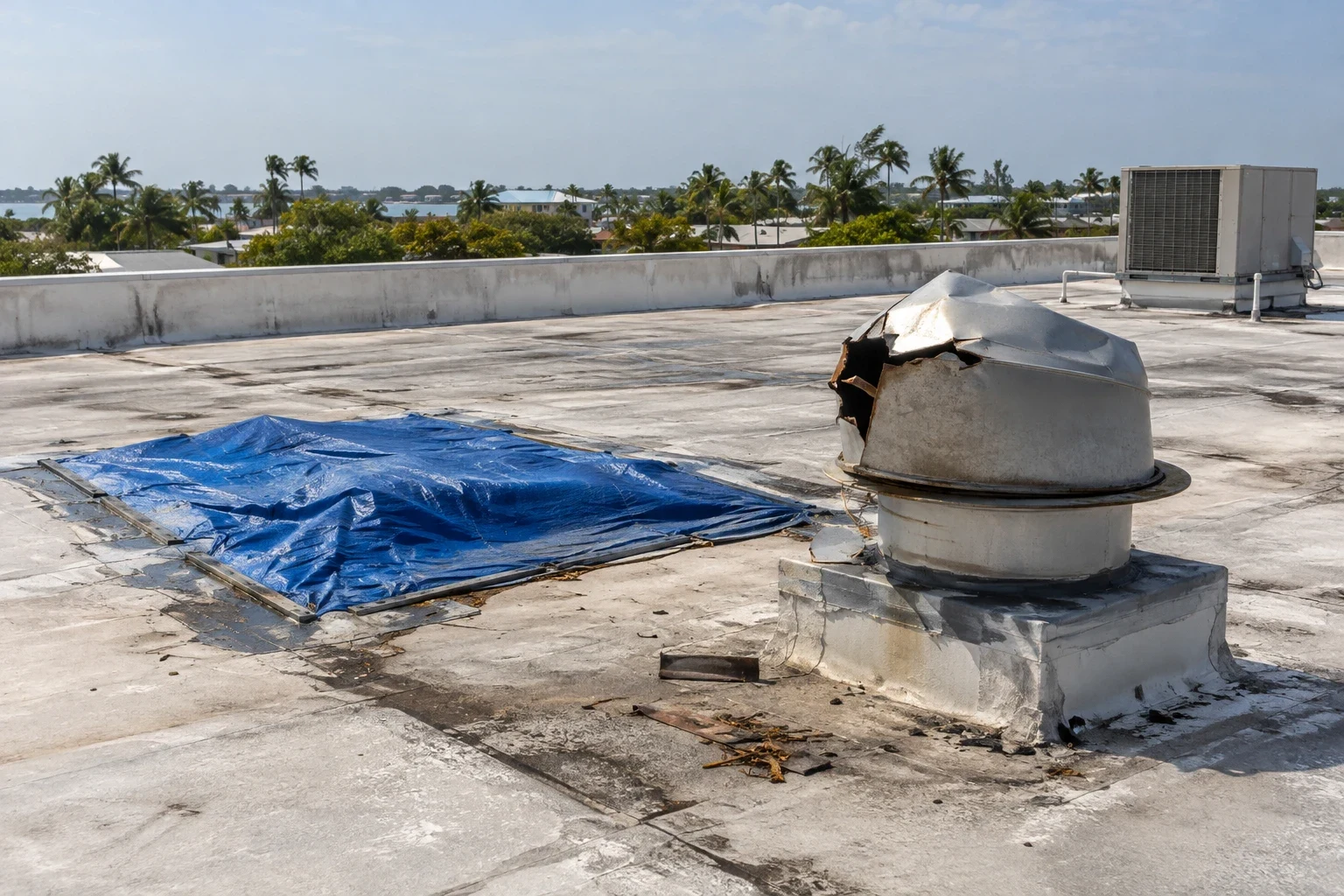
Wind also moves what sits on the roof. Rooftop units that are not strapped, ductwork that is loosely supported and lightweight items like vent hoods and signs can shift or fly in a storm, and they take membrane with them. We check how each unit and support is tied down, the condition of straps and the security of covers and caps.
Where a unit has shifted on its curb, we look for torn flashing and sealant failure around it. Where a vent or cap is loose, we record it and fasten it before the season. These items are cheap to fix on a calm day and expensive after they have caused damage to the roof below. The rooftop equipment curbs and supports details in the file show which were checked and when.
Loose debris on the roof, from gravel to leftover materials, is removed. A pile of loose material beside an edge is a ready-made projectile in 60 mph gusts, and a clean roof loses less to its own contents.
Heat Season and Aging Materials
May through October is the Valley's heat-safety season, and the roof stays in the sun the whole time. Aging materials lose flexibility, so a roof that was well attached in its first years may become less so as adhesives age and fasteners corrode. The inspection records the trend, not just the day's condition, by comparing with the last visit's photographs. Sealant and fastener corrosion are logged with close-up photographs, since a rusted screw head is a visible sign that the hold underneath has weakened.
A spring walk is the most useful. It catches the damage of the previous season and lets the owner repair before the tropical season begins in June. A second walk after a named storm, compared with the spring record, shows what the weather changed.
Two School Districts, Two Calendars
Weslaco ISD serves the east side of Midway Road and Donna ISD the west, so businesses near either may follow different school calendars. For buildings that depend on school traffic, major work is planned for breaks. For others, tenant hours and deliveries set the schedule. We state the working window in the recommendation and agree on notice for noisy stages.
Emergency work is not tied to the calendar. A roof that opens in a storm is closed that night, whatever the school schedule, and the permanent repair follows when the weather allows, as set out for storm damage repair. Neighboring roofs in Weslaco and Donna follow the same sequence.
Repair, Reinforce or Replace
The decision follows the findings. Local defects with sound attachment call for repair. Marginal attachment on a sound membrane calls for reinforcement: more fasteners, better edge metal, re-adhered areas. Widespread failure, or wet insulation across the roof, calls for replacement. The recommendation compares the three and states what would change the choice. Cost depends on roof area, system, insulation condition, access and the schedule, and each path is priced separately so the owner can compare the cost of reinforcing now with the cost of a larger project after the next storm.
Questions and Answers
Why do older roofs fail first in wind?
Adhesives age, fasteners corrode and edge metal loosens over time. Dolly's damage near Weslaco fell mainly on older structures, which is why edges and attachment are checked first on an older roof.
What is the quickest wind-resistance improvement?
Usually the edge: replace loose metal, re-fasten with sound fasteners and seal the joints. The edge is where peeling starts, so a tight edge protects the field.
How do I know whether attachment is adequate?
A pull test on a sample of fasteners and a visual check of edges, laps and the field give an answer. The report states results by section, with the details that need work.
When should I schedule wind inspections?
In spring, before the tropical season begins in June, and after any named storm. The comparison between the two shows what changed.
Can I wait if the roof looks fine from the ground?
The ground view misses the edge, the fasteners and the laps. A roof walk finds these, and a dated record shows what they looked like before a storm.
What loose items on a roof are most likely to cause damage in a storm?
Unsecured covers, vent caps, loose ductwork and leftover materials. They are checked and fastened or removed during the spring walk, because each can tear the membrane when wind moves it.
Request a Documented Inspection
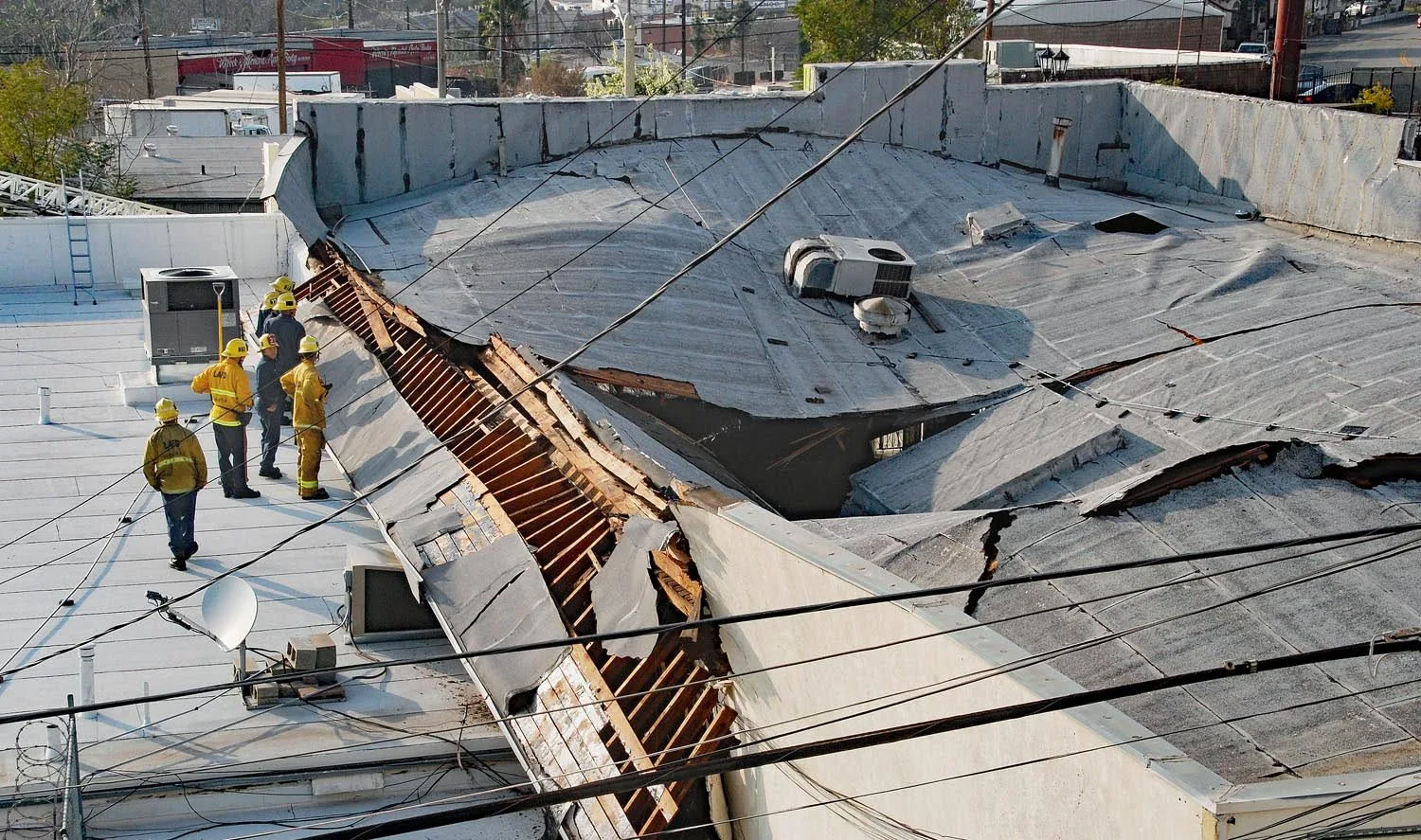
Ask for a visit to your Midway North, TX roof and receive a written condition summary with tagged photographs, a rooftop sketch and attachment findings. The summary states which findings call for repair, reinforcement or replacement, and it can be reused for budgeting or an insurance conversation. Start from the contact form.